
The Role of Investigative Journalism in Strengthening Uzbekistan’s Anti-Corruption Ecosystem: Challenges and Solutions
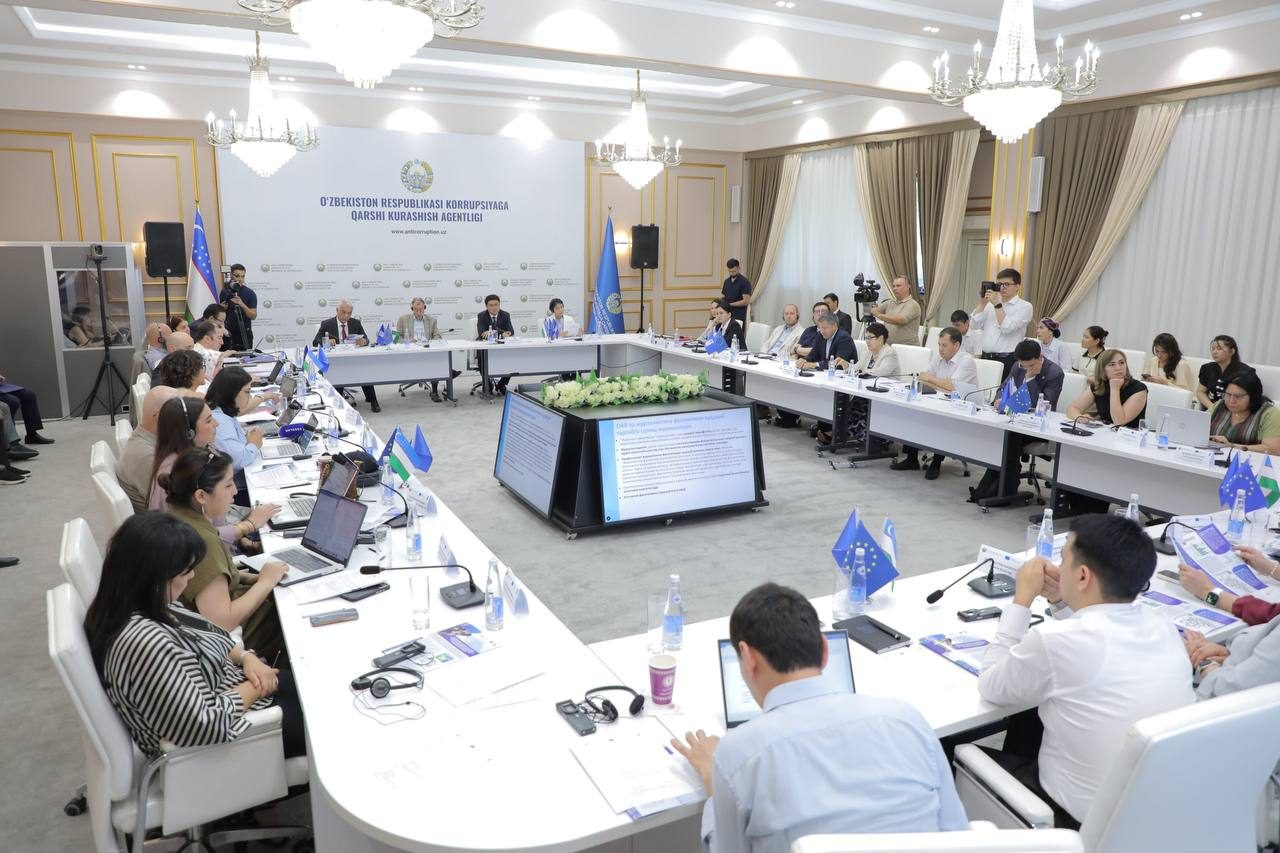
A roundtable discussion dedicated to the presentation of the findings of the study entitled “The Role of Investigative Journalism in Strengthening Uzbekistan’s Anti-Corruption Ecosystem: Challenges and Solutions”, implemented in cooperation with the United Nations Development Programme (UNDP) and with the financial support of the European Union, was held at the Anti-Corruption Agency.
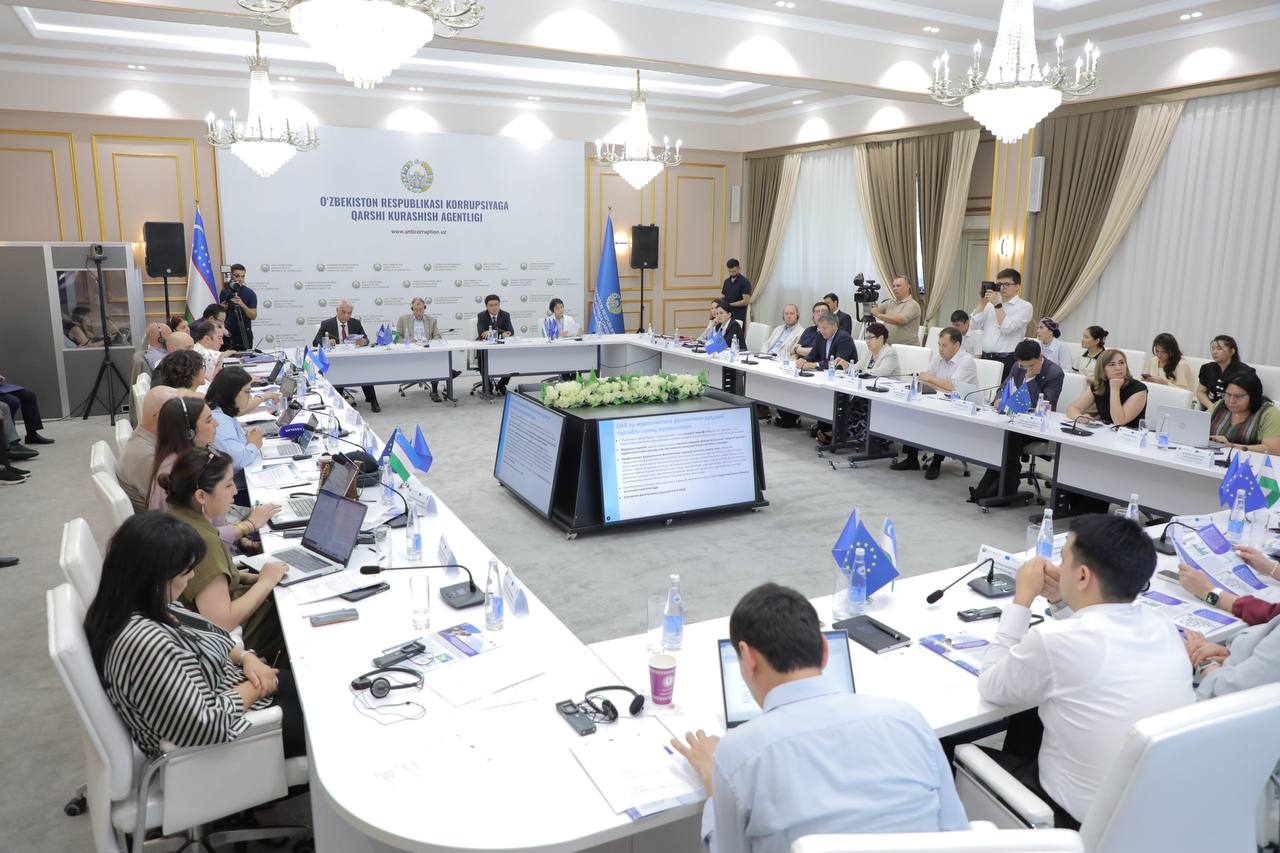
The event brought together representatives of government bodies, mass media, civil society institutions, academia, and international organizations.
The main objective of the event was to discuss issues related to the further development of investigative journalism in ensuring openness and transparency in the activities of public authorities, as well as strengthening public oversight, and to formulate relevant recommendations.
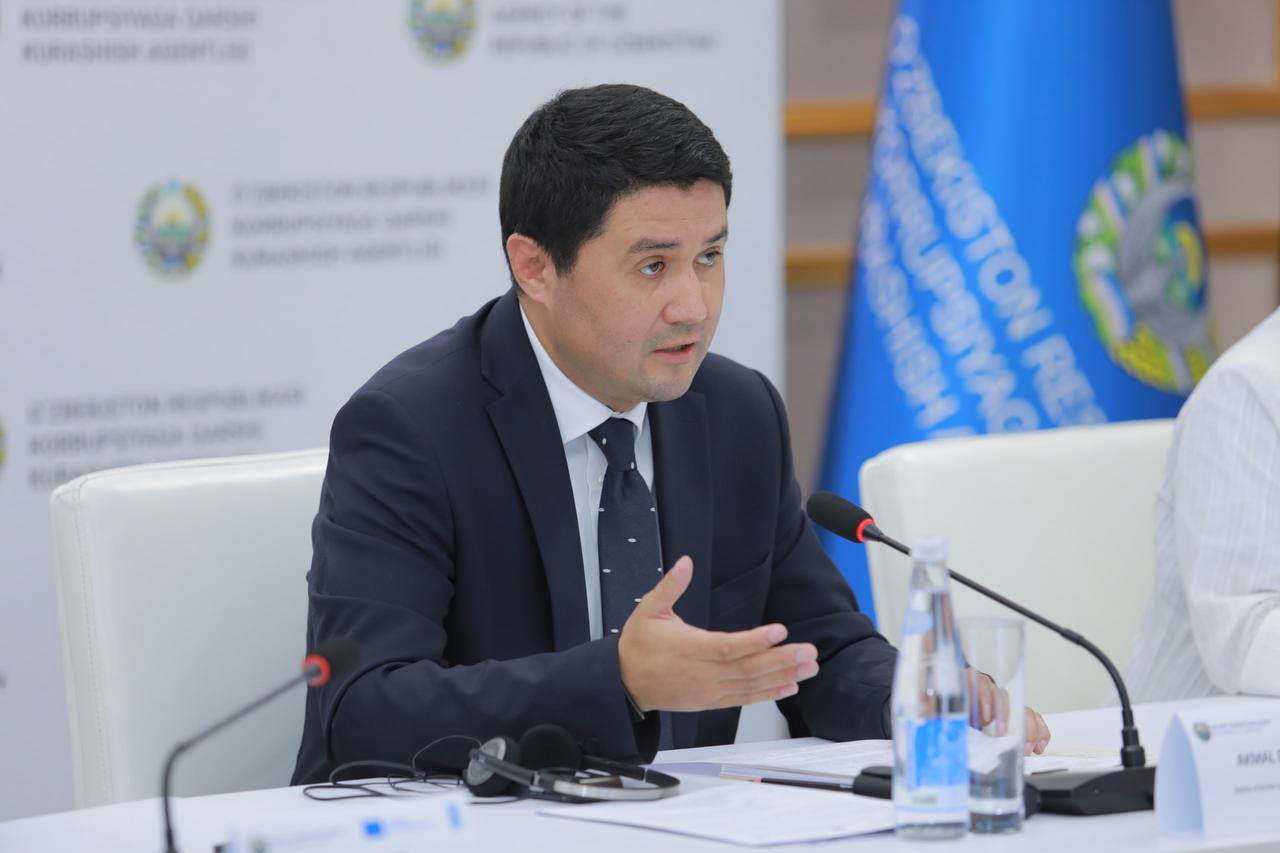
At the beginning of the roundtable discussion, particular attention was paid to the role of the mass media in combating corruption, especially the growing importance of investigative journalism.
It was noted that, in order to support the best initiatives and projects in the field of investigative journalism, the Agency, jointly with the Public Fund under the Oliy Majlis and international partners, has been regularly announcing grant competitions.
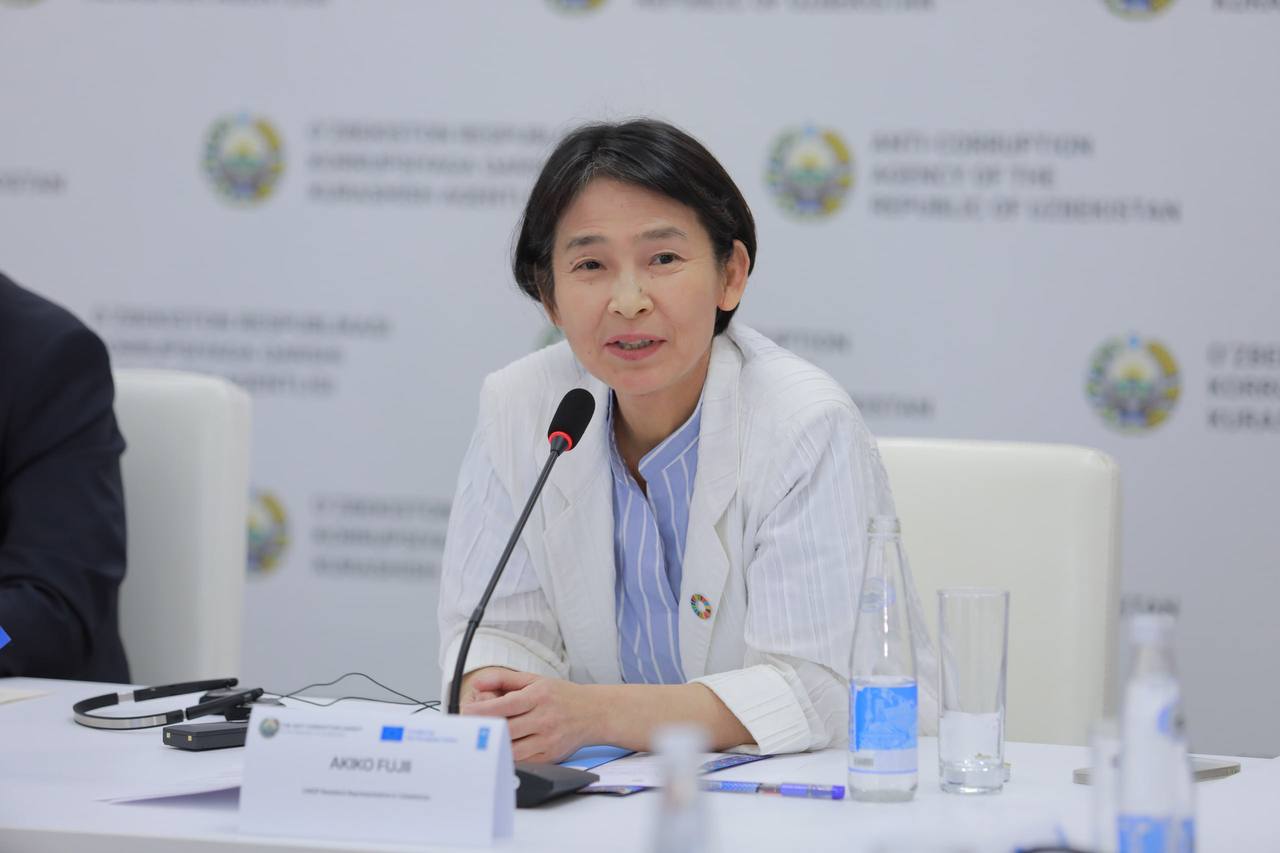
In addition, advanced training courses, practical seminars, and specialized educational programmes aimed at developing investigative journalism and enhancing journalists’ professional capacity are being implemented on a regular basis.
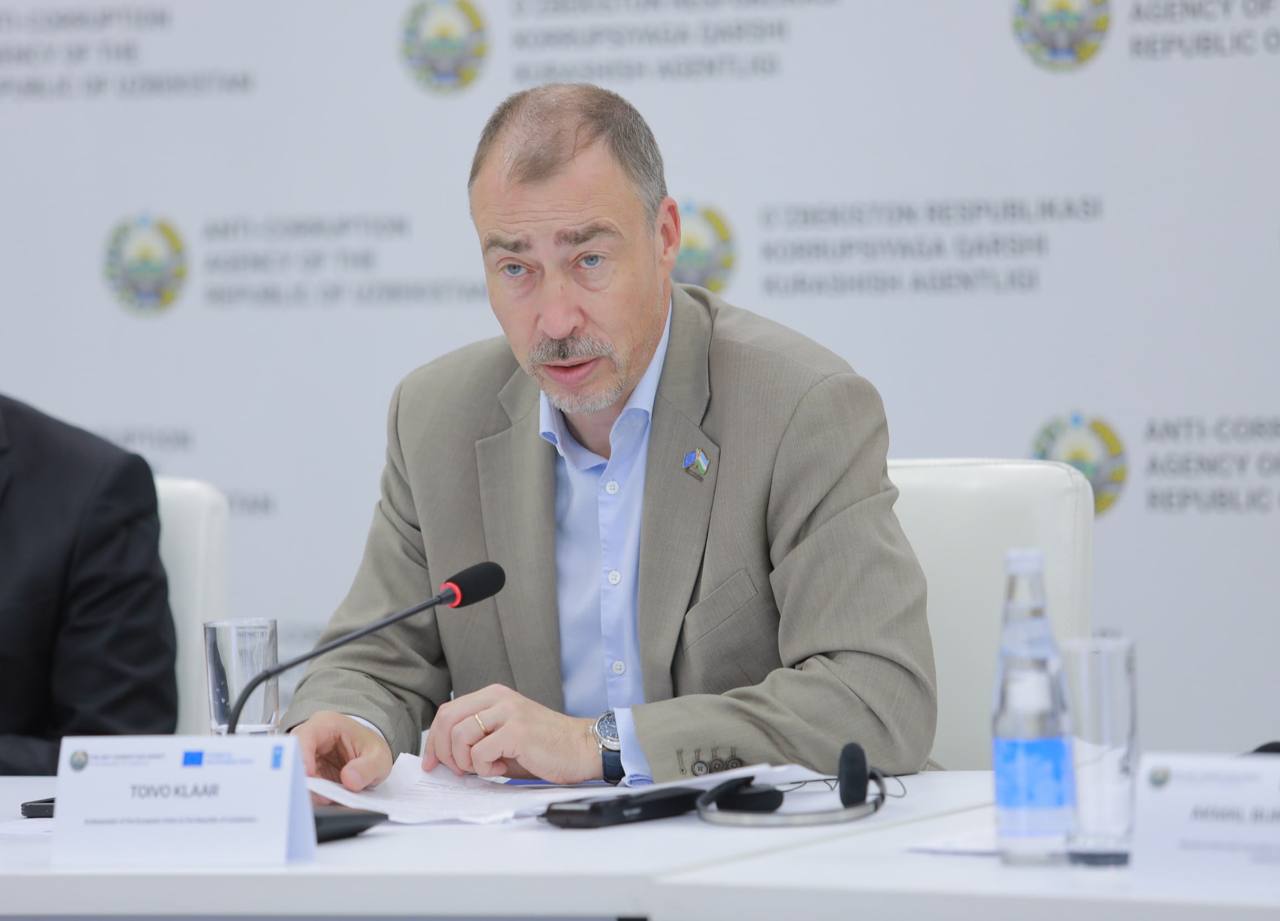
It was also noted that experienced journalists and media representatives have been included in the composition of the Public Council under the Agency, and that the mass media are regarded as active participants and strategic partners in anti-corruption efforts.
During the event, it was emphasized that there remains a need to further develop investigative journalism as an important instrument in combating corruption in the country. To this end, a study was conducted within the framework of the joint project “Strengthening the National Anti-Corruption Ecosystem in Uzbekistan”, implemented by the Anti-Corruption Agency and UNDP with funding from the European Union. As part of the study, the current state of investigative journalism in the country was analyzed, key challenges in the field were identified, and recommendations were developed to address them.
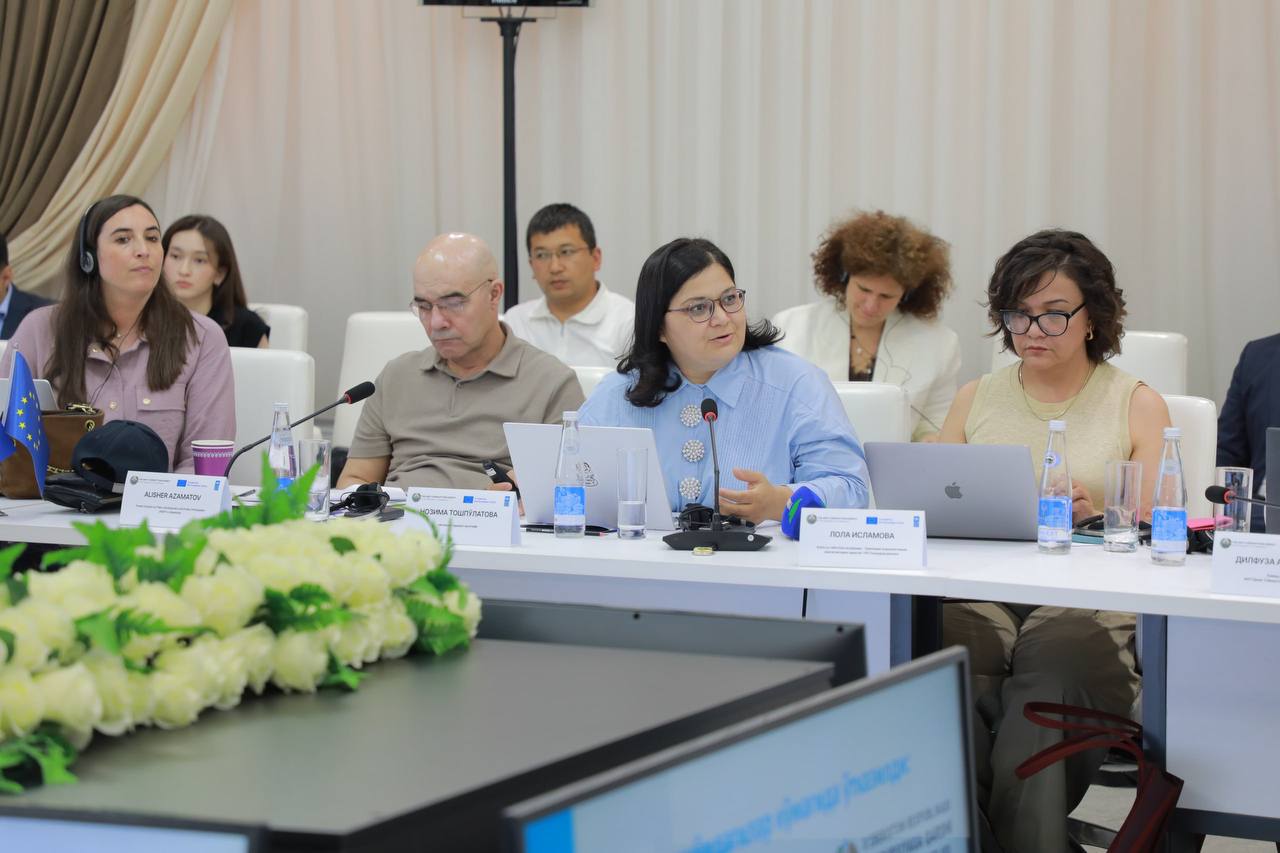
A total of 152 journalists and media professionals from all regions of the country participated in the study.
According to the findings, issues related to access to information remain among the most pressing challenges.
Nearly half of the respondents reported encountering difficulties in obtaining information from public authorities on matters of public interest, while more than one-third identified refusals to provide information in response to official requests as one of the main obstacles to conducting investigative reporting.
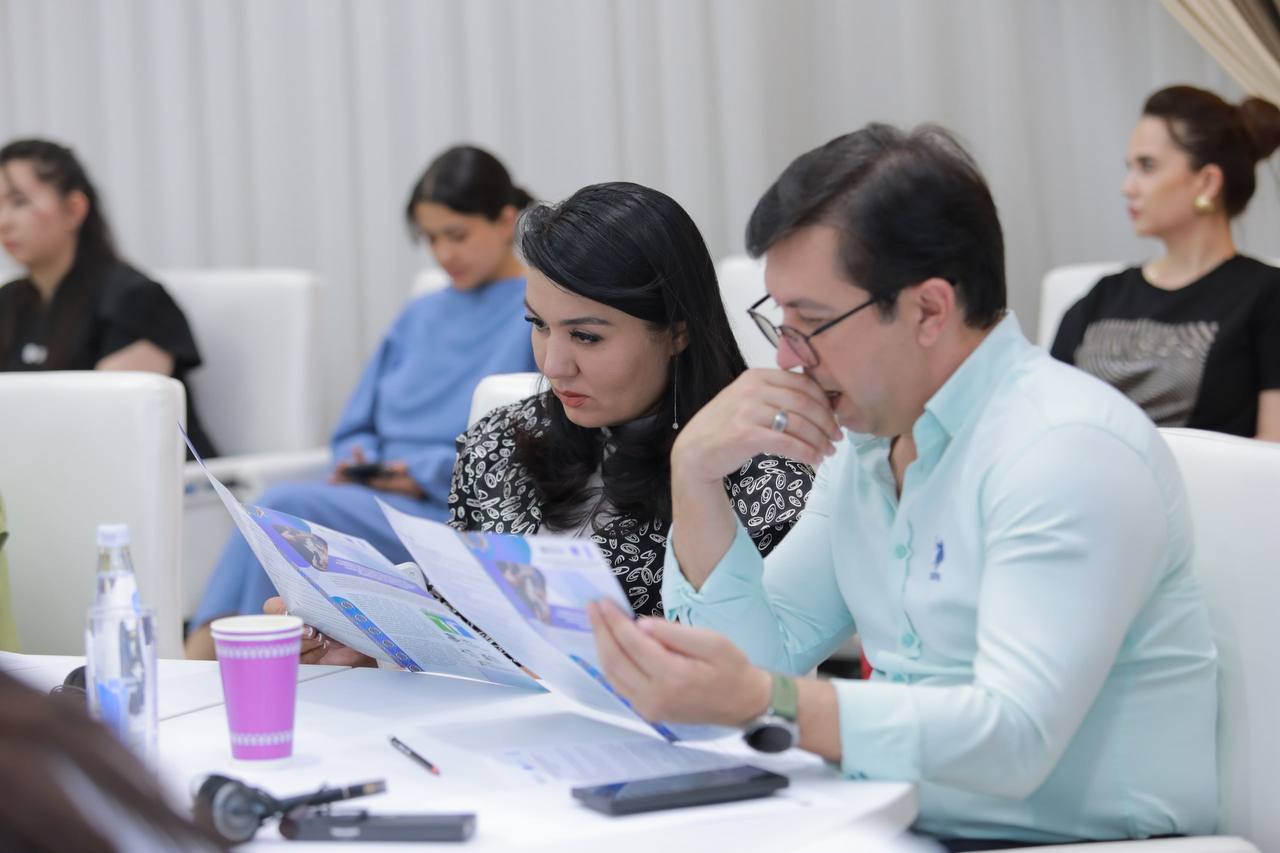
Approximately 70 percent of respondents believe that existing mechanisms do not provide sufficient protection for journalists engaged in investigative journalism.
Sixty-nine percent of respondents also emphasized the need to improve journalists’ legal knowledge, particularly in the areas of fact-checking, verification of information sources, and the use of digital technologies and tools in investigative reporting.
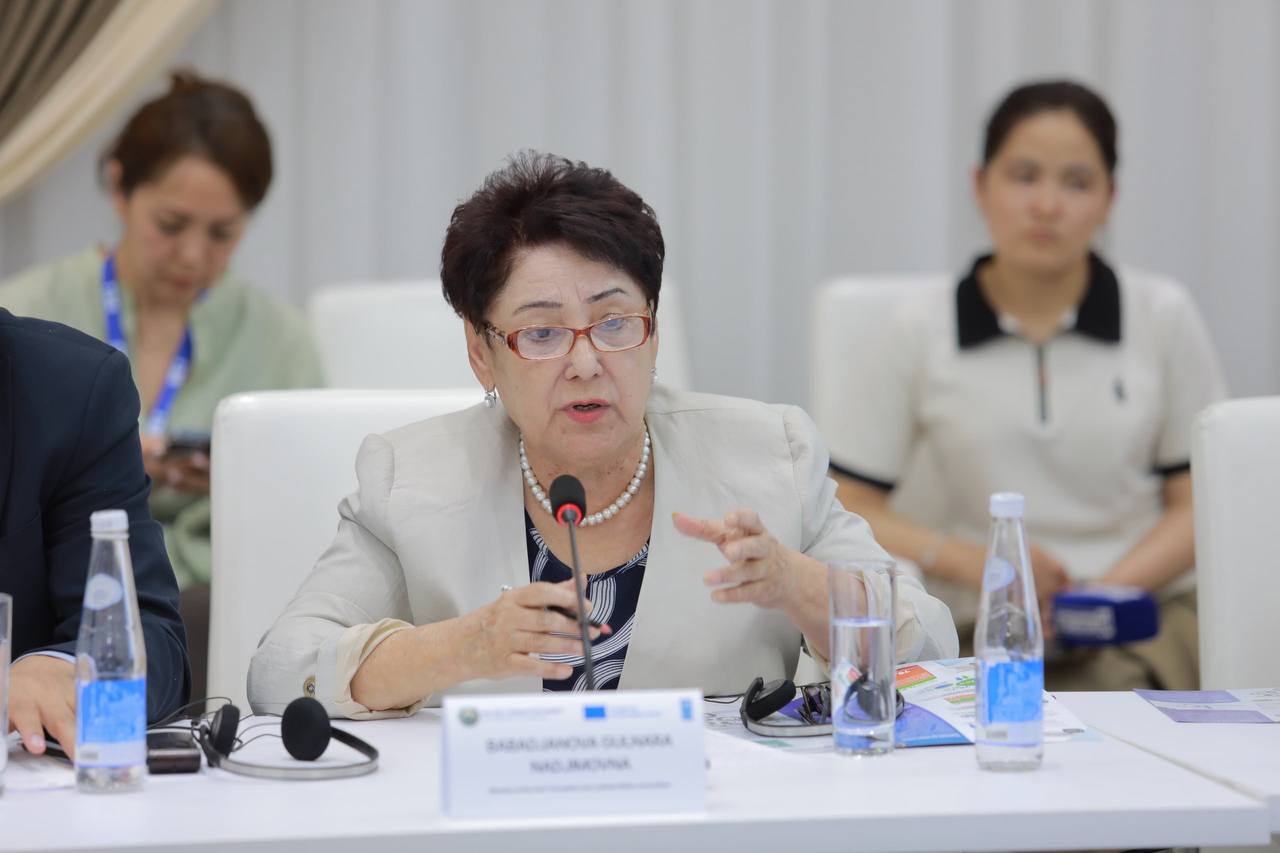
During the roundtable discussion, participants reviewed proposals and recommendations aimed at improving legislation in the field of investigative journalism, strengthening protection mechanisms for journalists and whistleblowers, expanding access to information of public interest, developing professional training programmes, and enhancing the financial sustainability of media organizations.
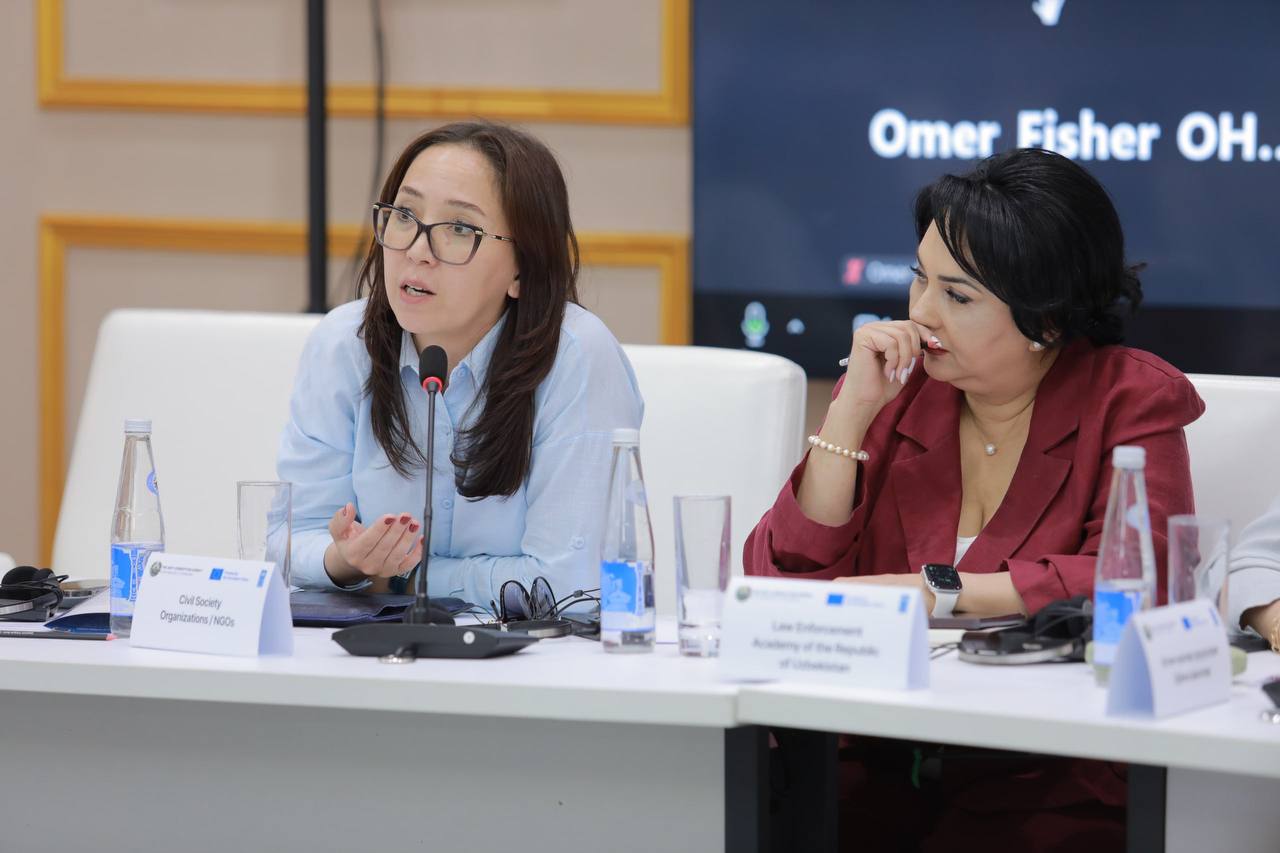
The participants also discussed possible mechanisms for implementing these recommendations, as well as prospects for further strengthening cooperation among the media, public authorities, civil society institutions, and international partners.
Press Service
of the Anti-Corruption Agency