
Progress of Anti-Corruption Efforts in the Water Management Sector Reviewed
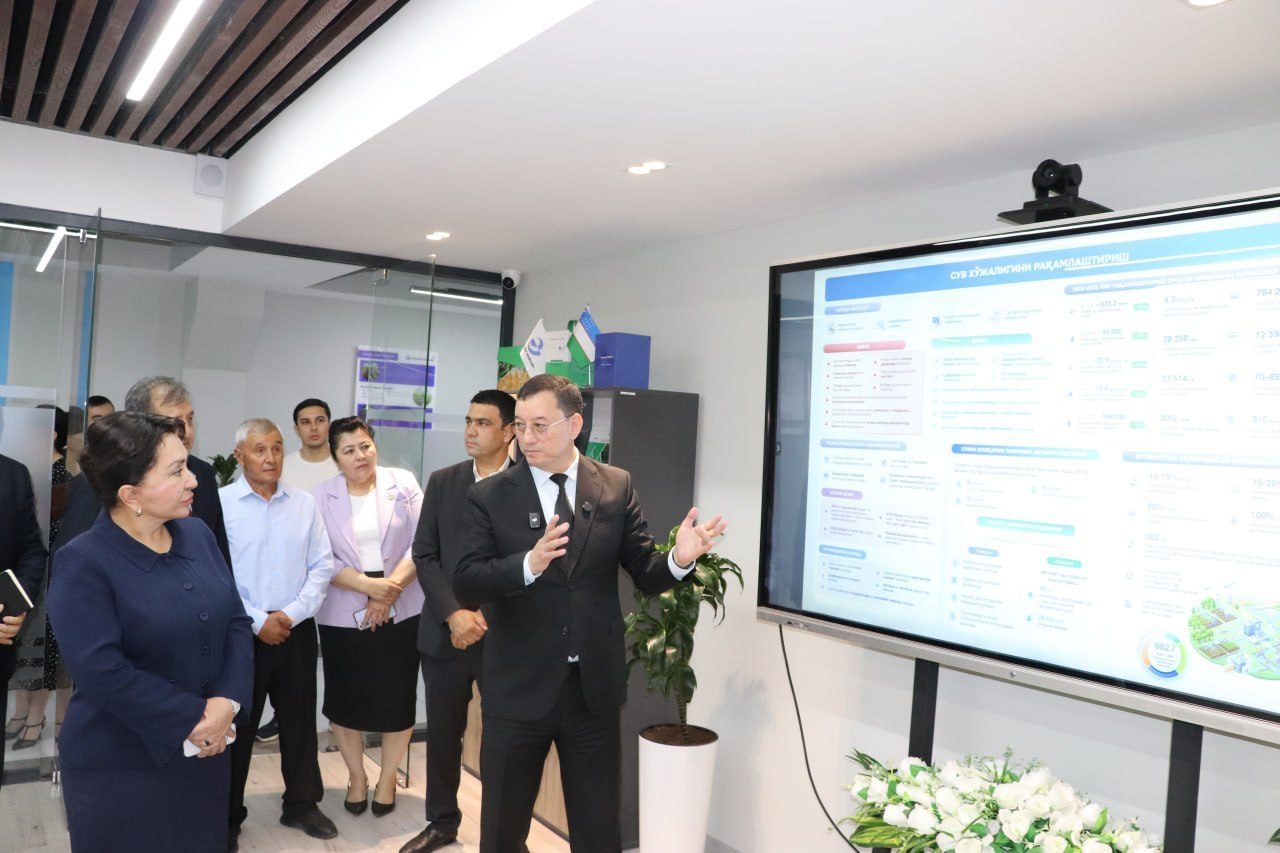
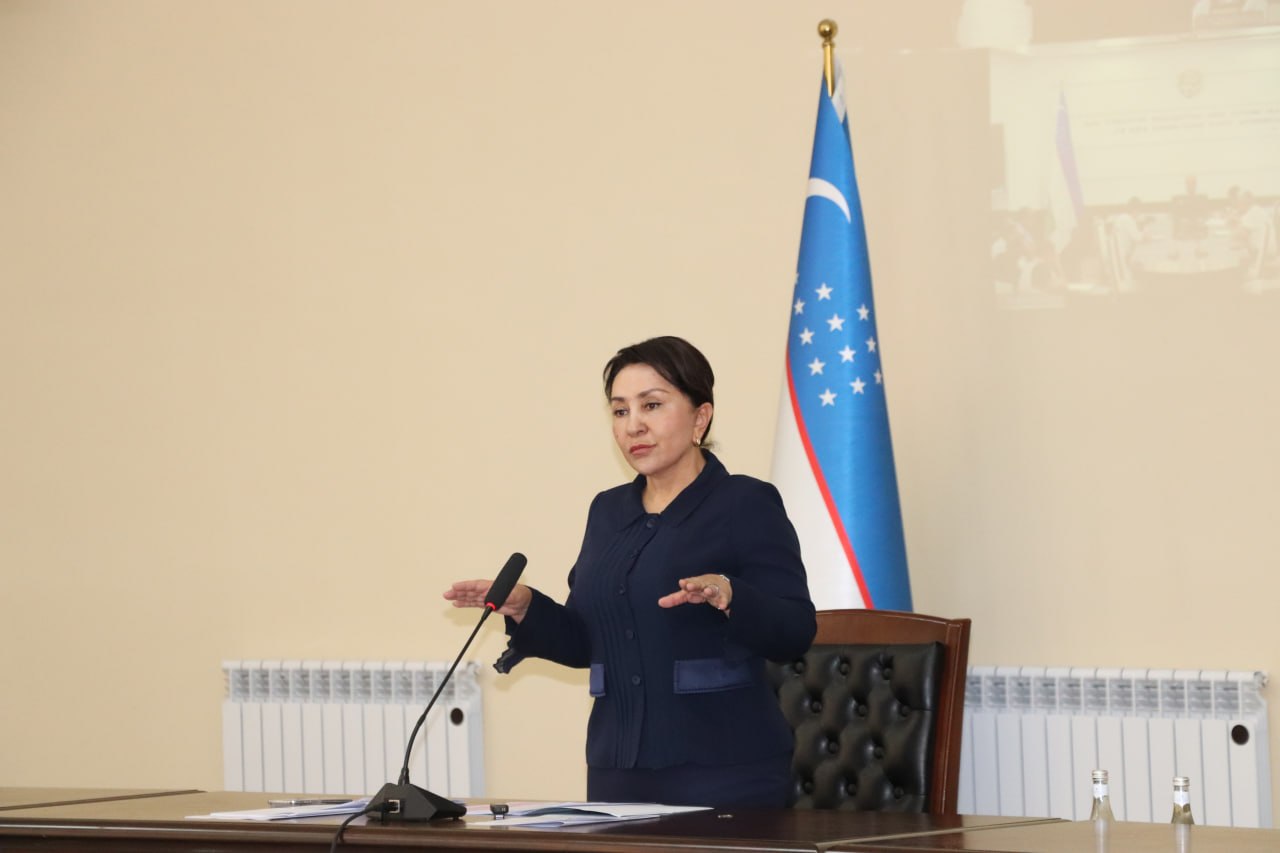
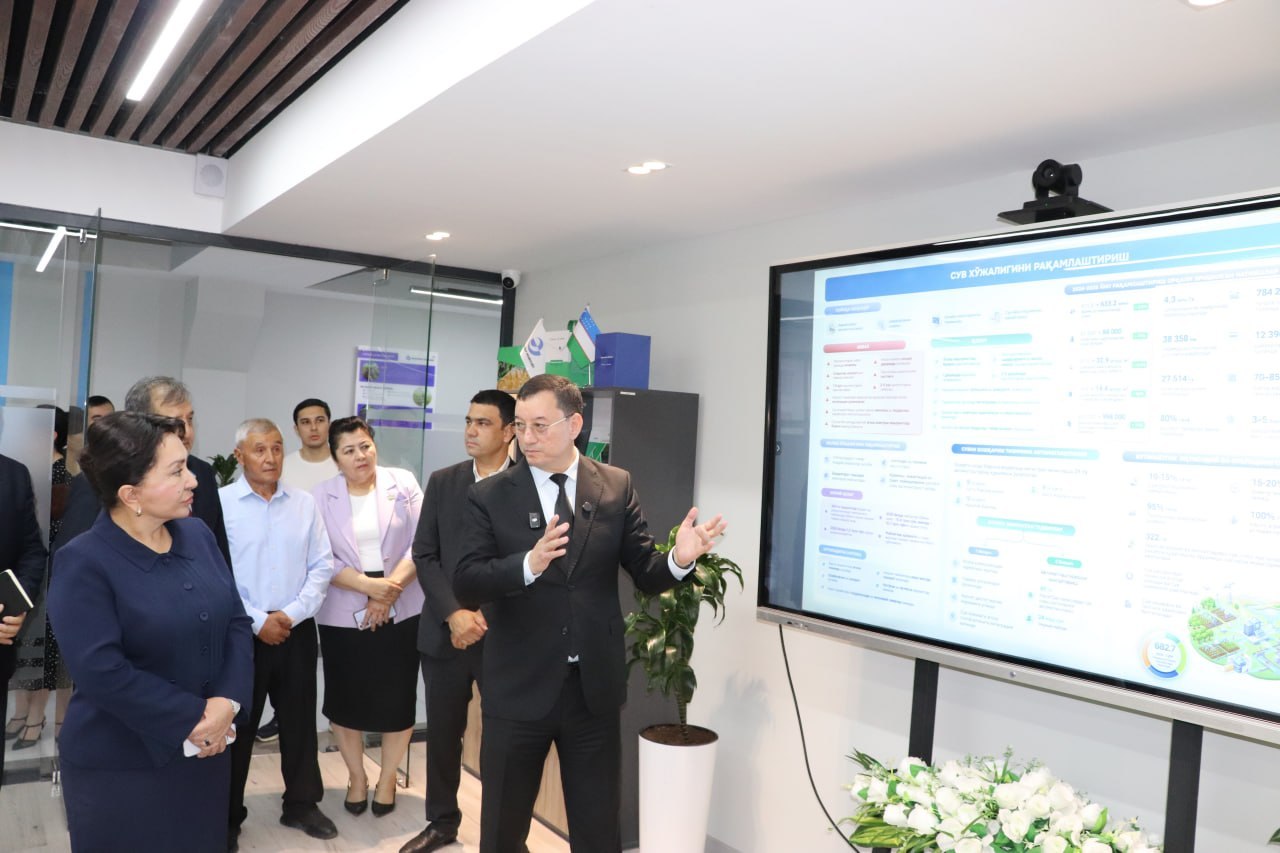
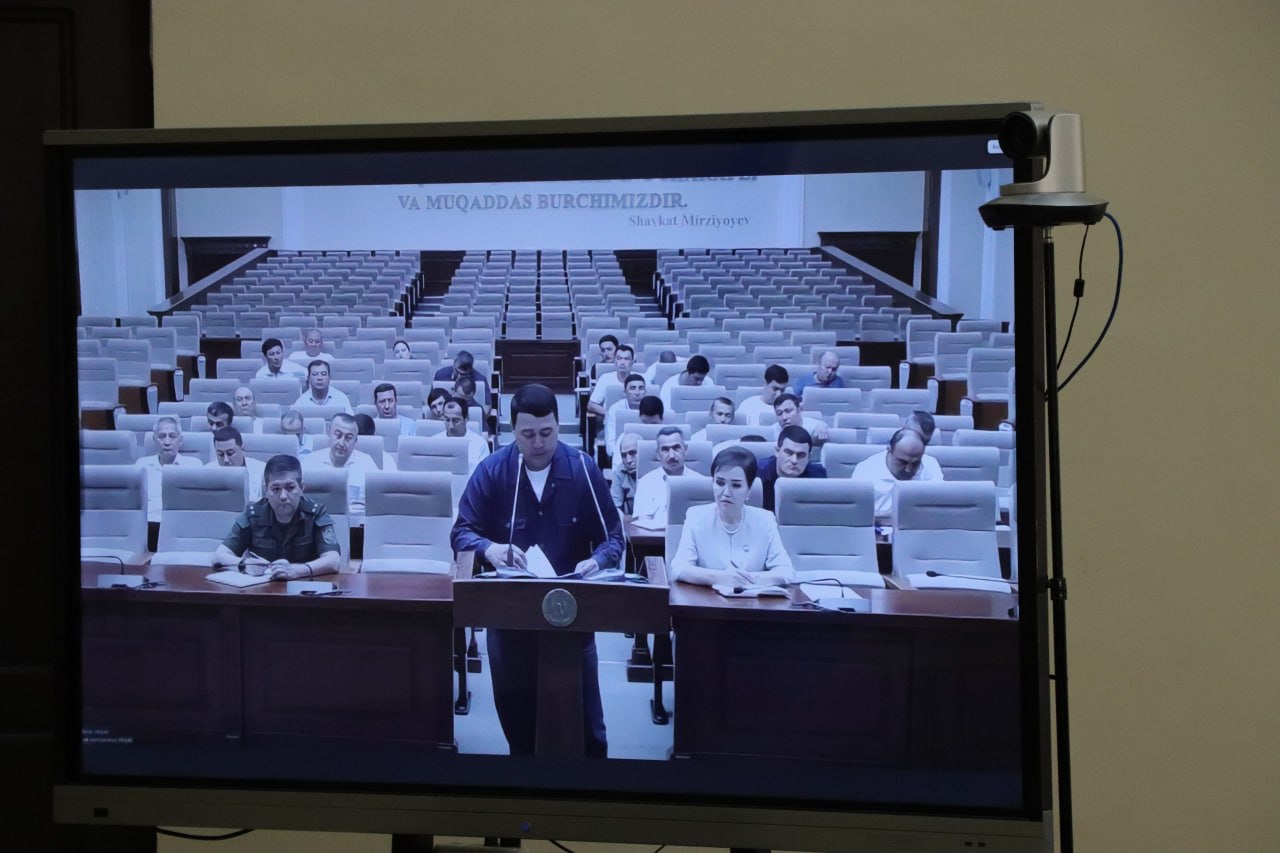
The Ministry of Water Management hosted an off-site meeting of the National Anti-Corruption Council, chaired by Tanzila Narbayeva, Chairperson of the Senate of the Oliy Majlis of the Republic of Uzbekistan, to review progress in the implementation of anti-corruption measures across the water management sector.
During the meeting, particular emphasis was placed on the positive results achieved in preventing corruption following the transfer of the Ministry's anti-corruption unit to the authority of the Anti-Corruption Agency under a legal pilot initiative.
At the same time, participants highlighted a number of persistent challenges, including the embezzlement of public funds, the unlawful use of subsidies allocated for water-saving technologies, violations in the management of water fund lands, and the slow pace of digitalisation within the sector.
Particular attention was drawn to the fact that a significant proportion of the installed "Aqlli Suv" ("Smart Water") devices have yet to operate at their full intended capacity.
It was noted that during 2024–2025 and the elapsed period of the current year, 243 corruption-related offences were committed by 301 employees of the water management system, causing losses exceeding UZS 70 billion to the State and society.
The meeting also considered a number of proposals aimed at mitigating corruption risks in the sector. These included reducing human involvement through the full digitalisation of water allocation, contract management and settlement procedures, as well as integrating subsidy allocation processes for water-saving technologies with satellite monitoring and geographic information systems (GIS).
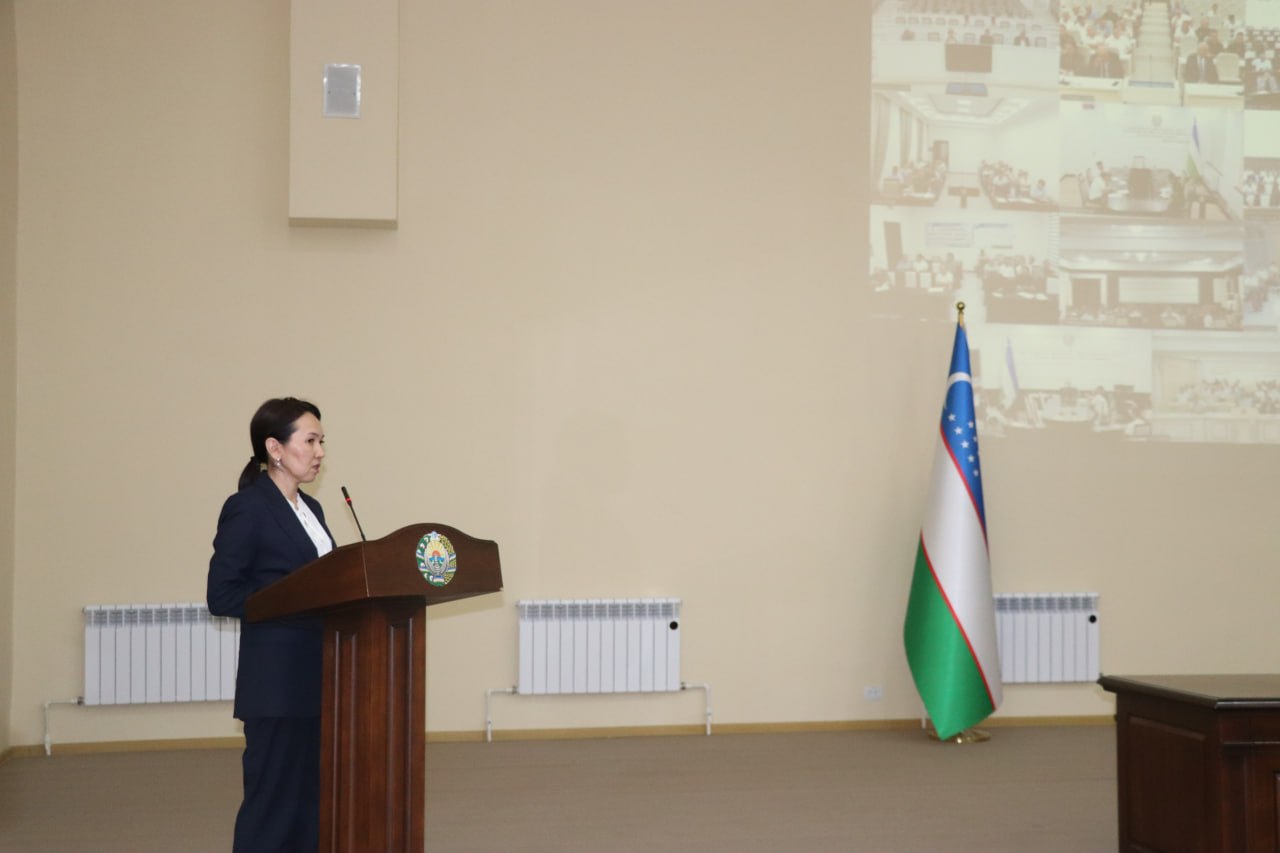
In addition, participants identified the introduction of the "Red Flag" compliance system in public procurement and the development of open electronic maps on water distribution and the use of public funds as key priorities.
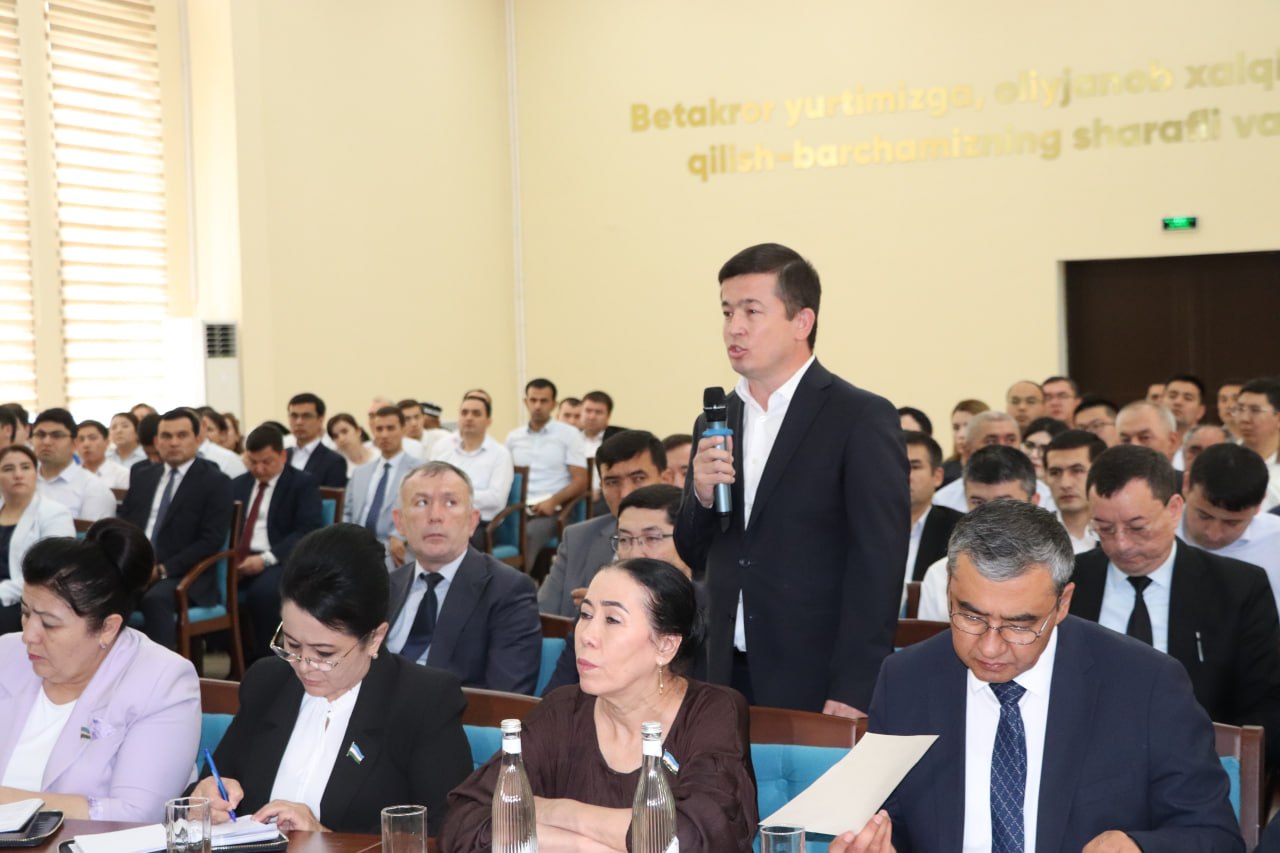
At the conclusion of the meeting, reports from responsible officials were heard, and specific follow-up tasks were assigned to ensure the effective implementation of the decisions adopted.
Press Service
of the Anti-Corruption Agency