
The “Transparent Cities” and “Integrity Region” Transformation Projects Continue to Advance
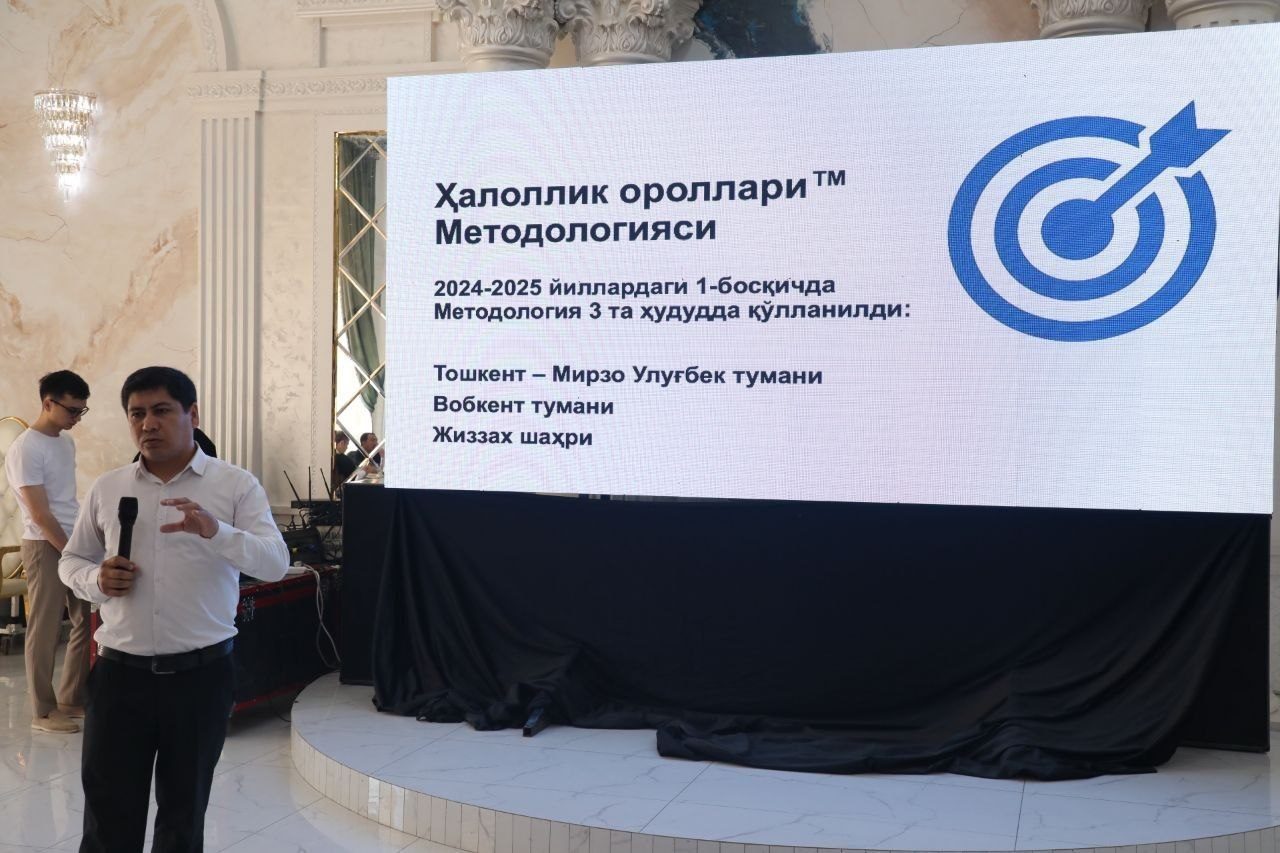
Anti-corruption efforts in local government bodies are being accelerated in line with international standards and advanced European practices.
The joint project “Strengthening the National Anti-Corruption Ecosystem,” implemented by the Anti-Corruption Agency in cooperation with the United Nations Development Programme (UNDP), with financial support from the European Union, has entered a new phase. As part of this global initiative, Uzbekistan began implementing the “Transparent Cities” and “Integrity Region” transformation projects in 2024, aimed at fundamentally embedding the principles of transparency and integrity at the local level.
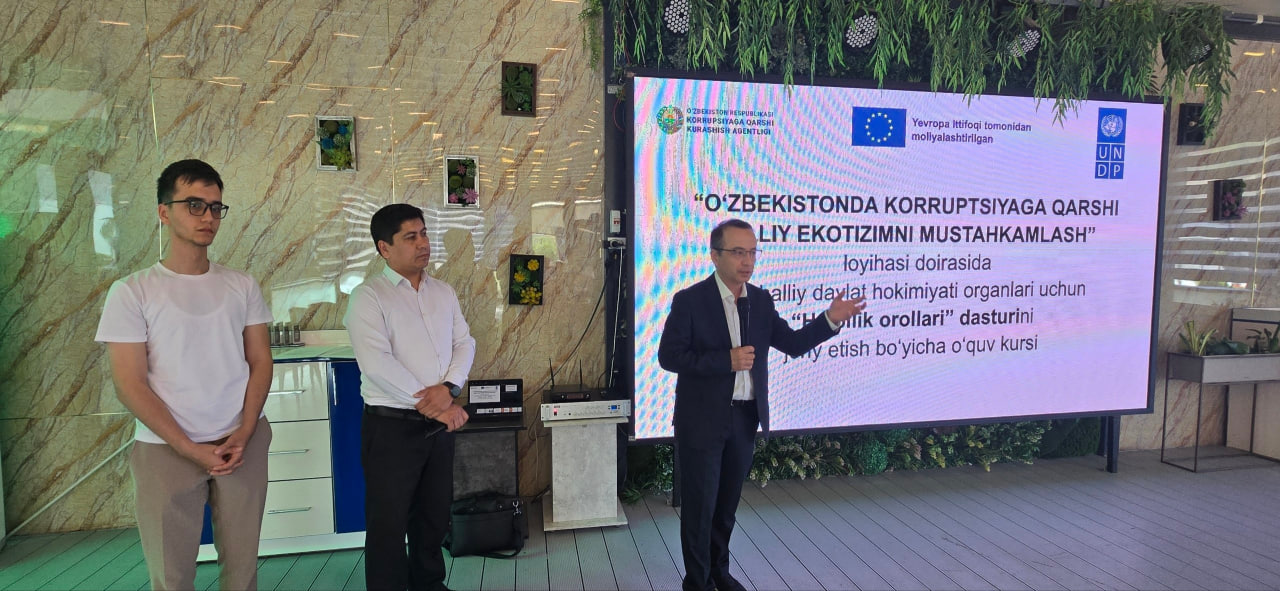
The projects were initially piloted in Mirzo Ulugbek district of Tashkent city, Vobkent district of Bukhara region and the city of Jizzakh.
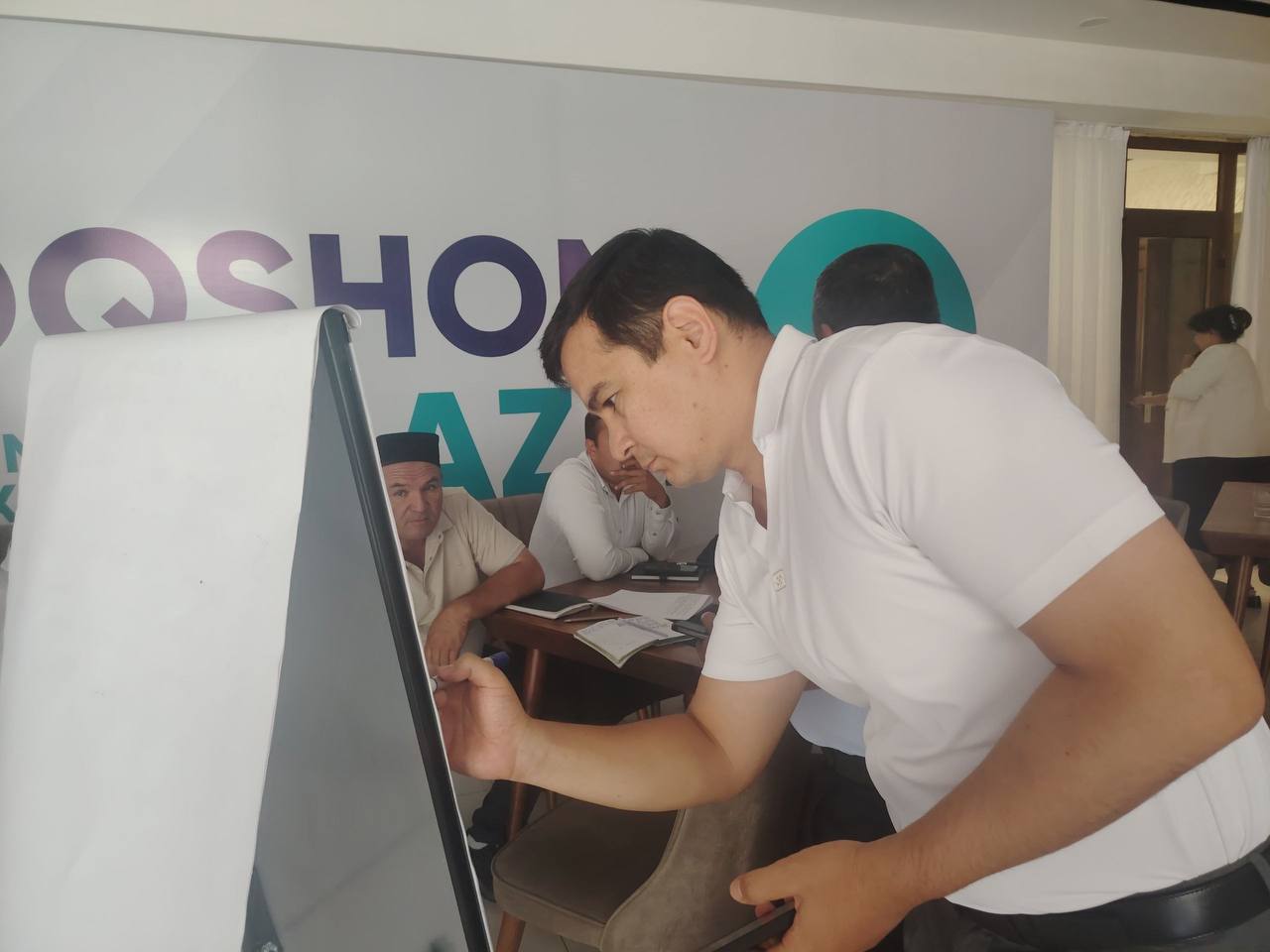
During the pilot phase, the areas of local governance most vulnerable to corruption were comprehensively assessed, and internal procedures were reviewed and improved. As a result, 61 types of corruption risks were identified and thoroughly analyzed, while individual Roadmaps for 2025–2026 were developed for each participating area.
For reference: “Transparent Cities” and “Integrity Region” are international methodologies designed to promote integrity, transparency and high ethical standards within public authorities and organizations, and to prevent corruption in all its forms. The approach has been successfully implemented in 30 local government bodies across 11 countries in Central and South-Eastern Europe and received a prestigious United Nations award in 2011 for its contribution to the development of public service.
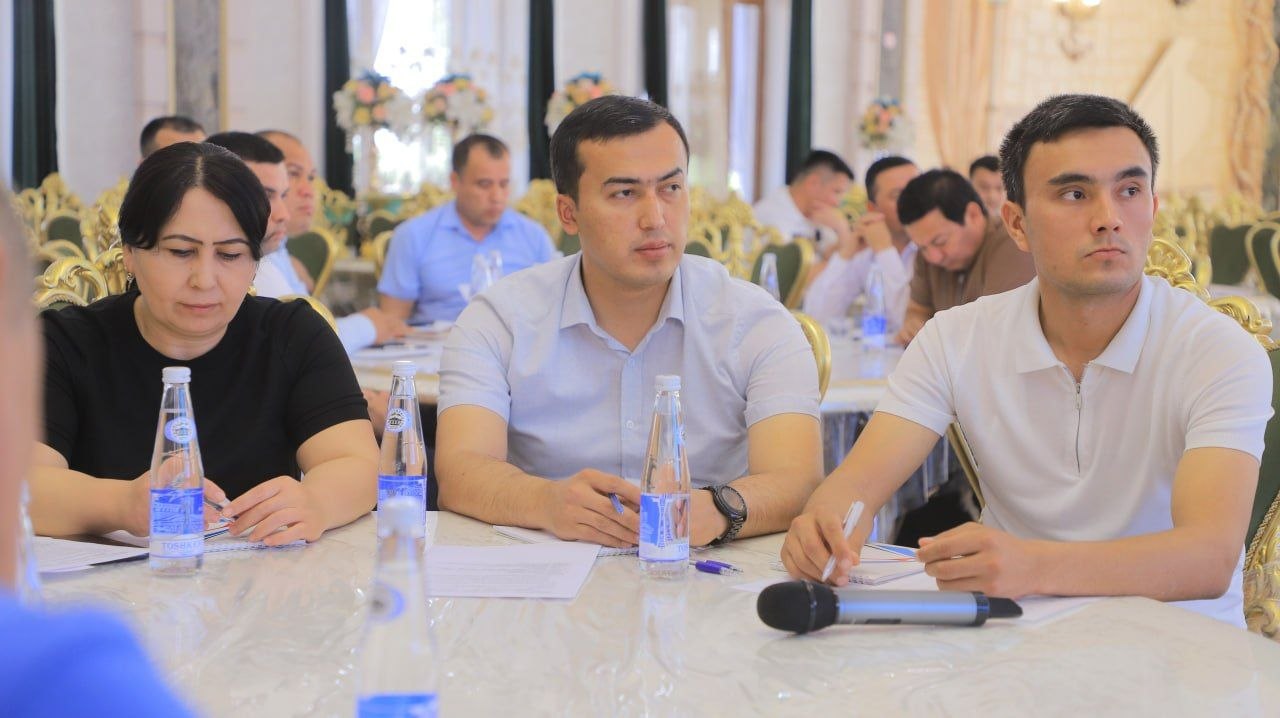
This year, the initiative is being further implemented in Turtkul district of the Republic of Karakalpakstan; Khazorasp district of Khorezm region; Konimex district of Navoi region; Kattakurgan district of Samarkand region; Koson district of Kashkadarya region; and Oltiariq district of Fergana region.
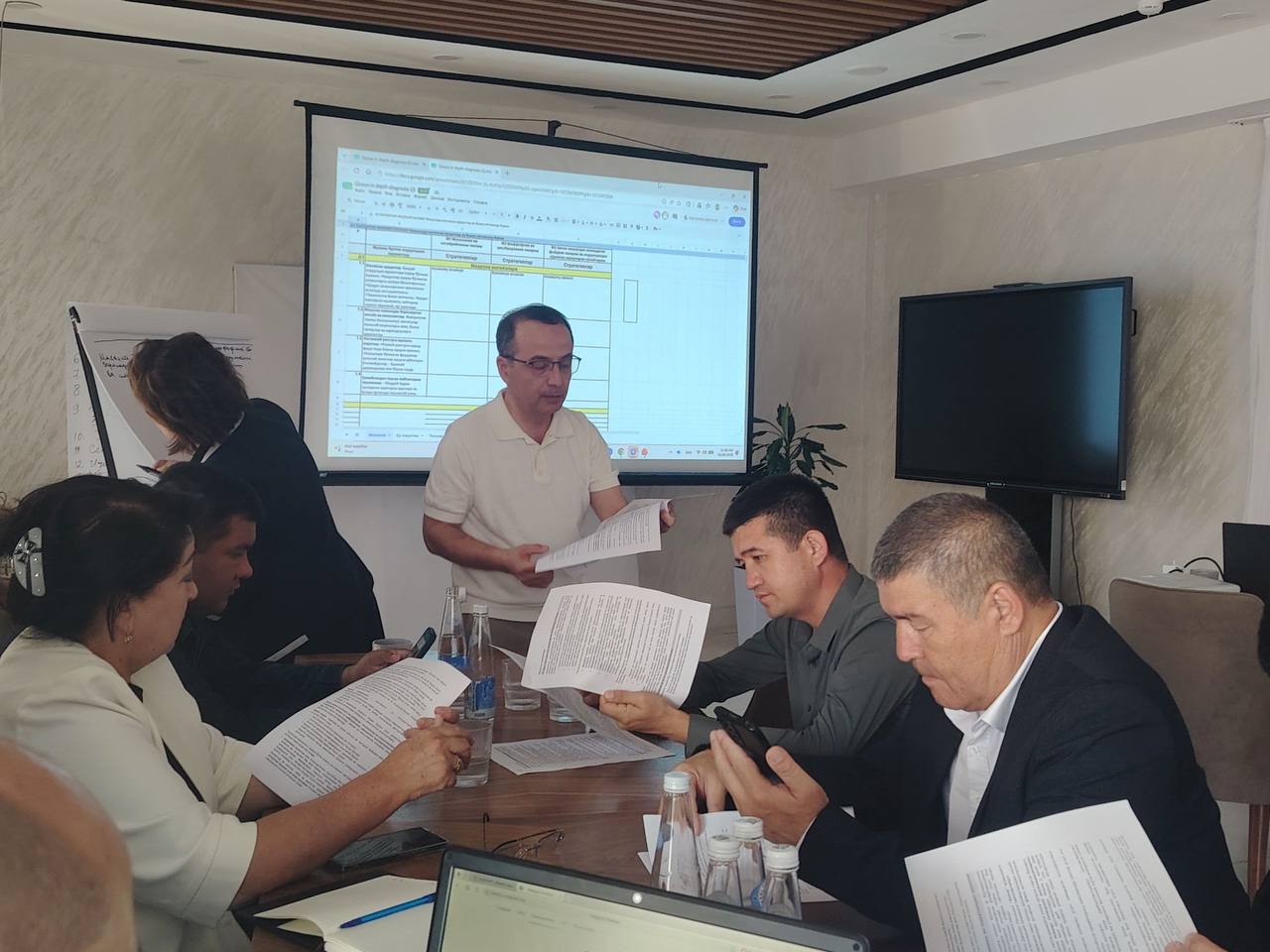
The project seeks to strengthen transparency and accountability in the work of local public authorities, improve digital oversight mechanisms, and expand public participation in preventing corruption.
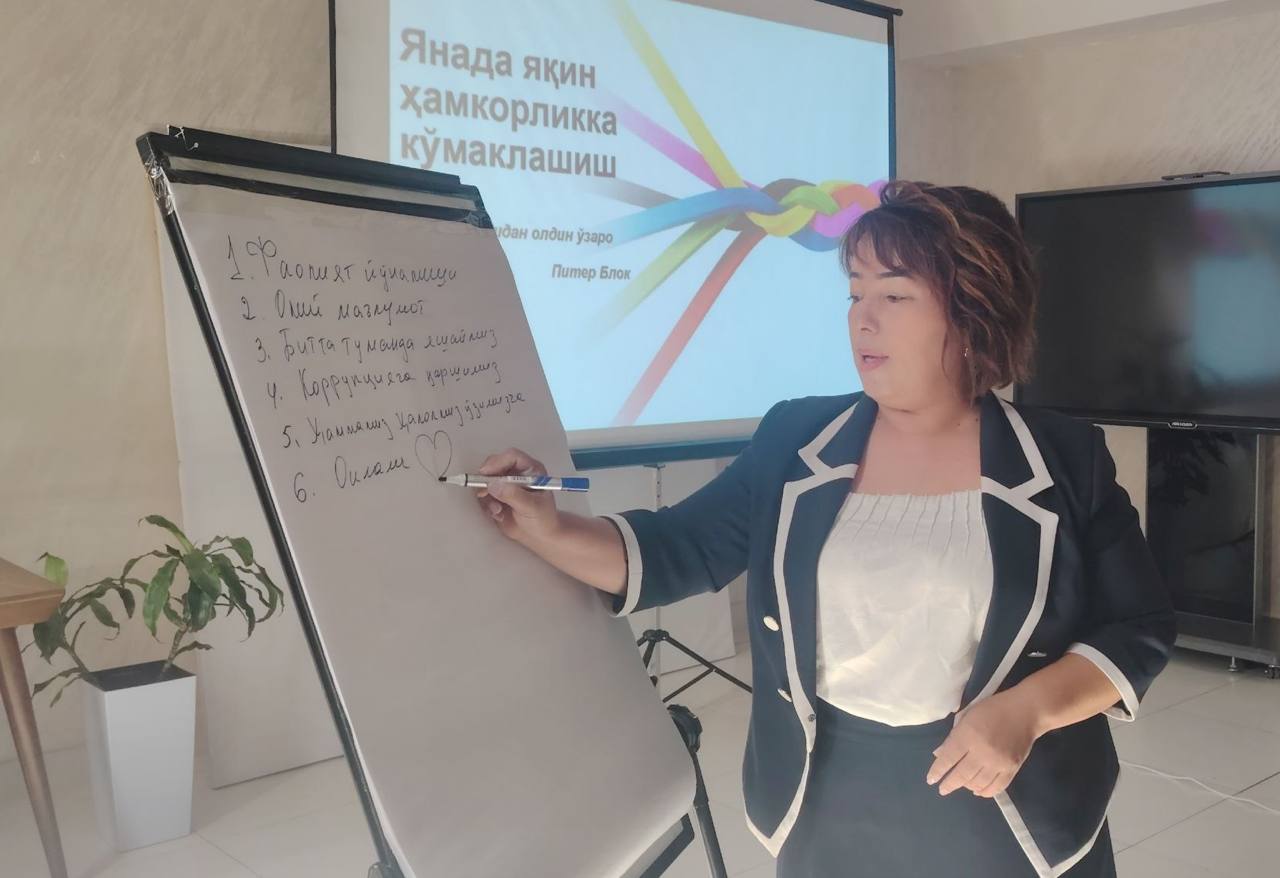
To this end, as part of the third and fourth stages of the methodology, training and practical seminars were organized for deputy district mayors, heads and responsible staff of structural divisions of local administrations, chief inspectors, deputies of local Councils, and representatives of internal anti-corruption control units.
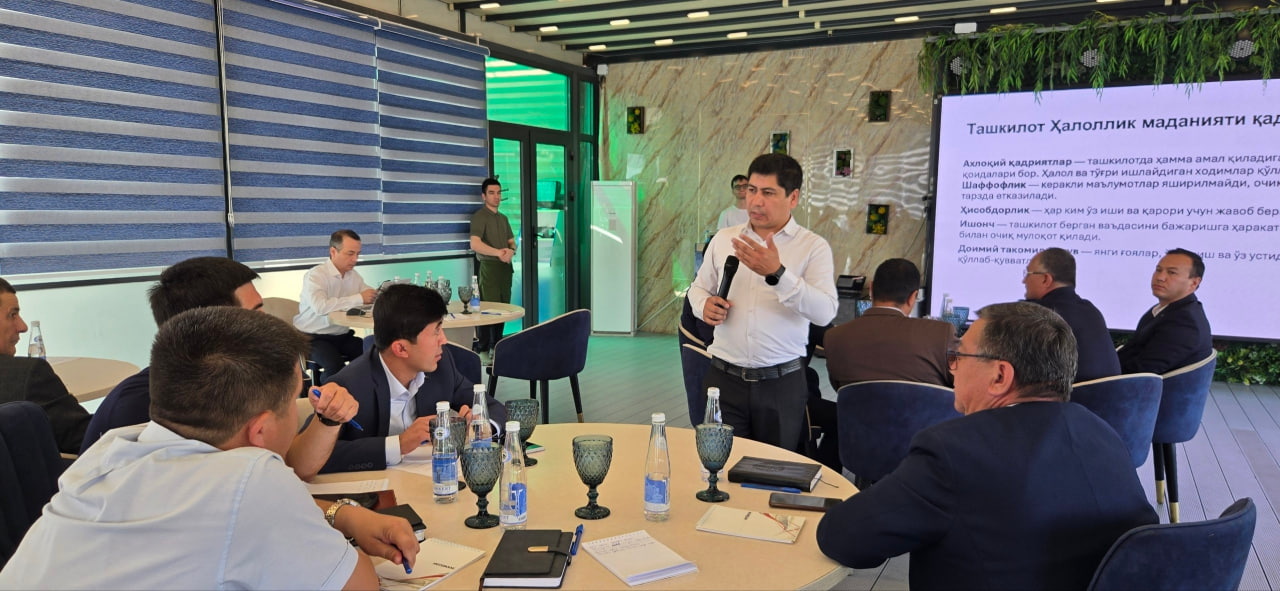
The seminars addressed practical measures for identifying and assessing corruption risks, determining sectors with a high risk of corruption, further strengthening transparency and accountability, and developing measures to mitigate identified risks.
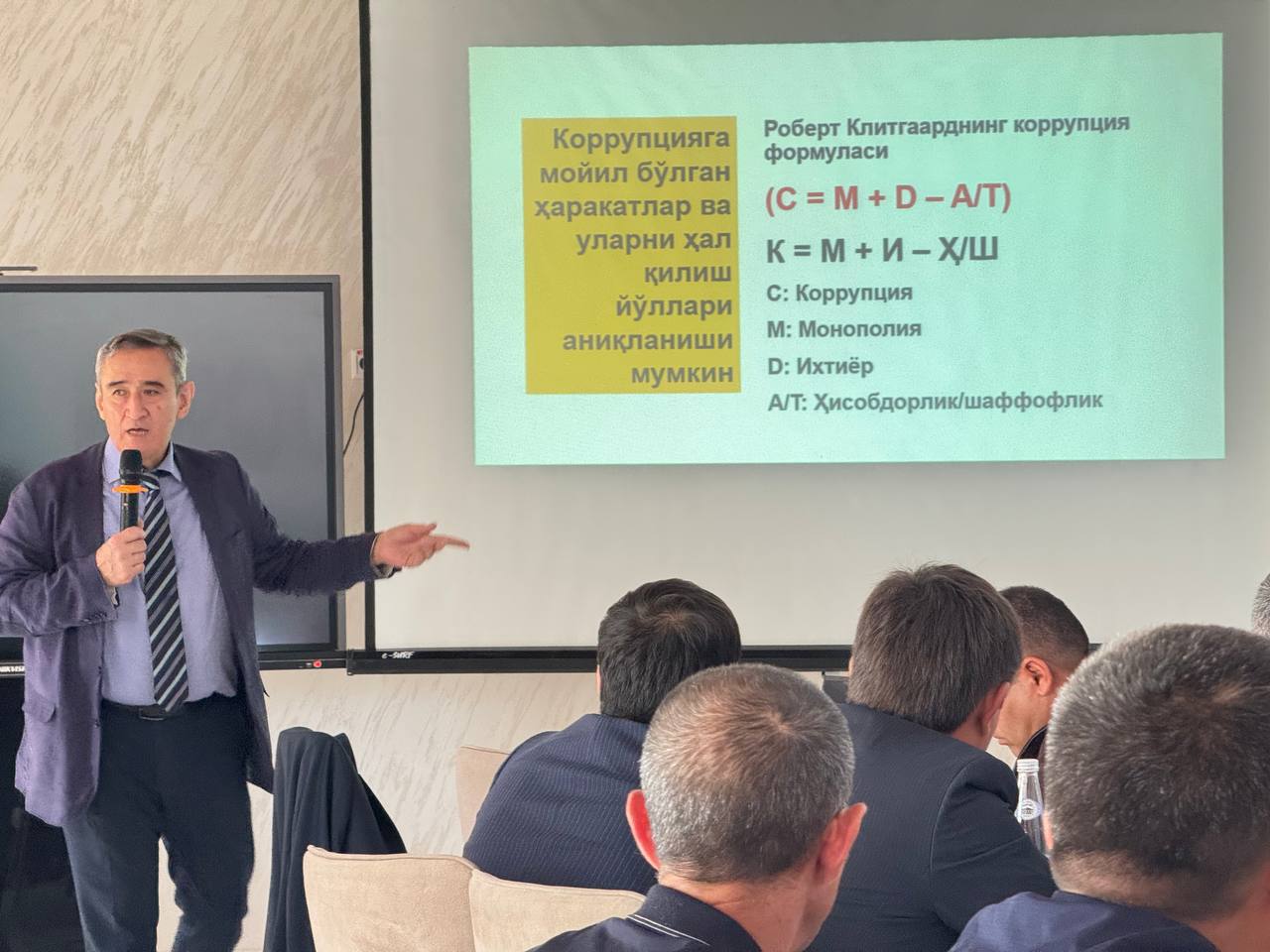
Currently, based on the results of the seminars, project experts are developing separate Roadmaps for each district aimed at reducing corruption risks and strengthening transparency and accountability.
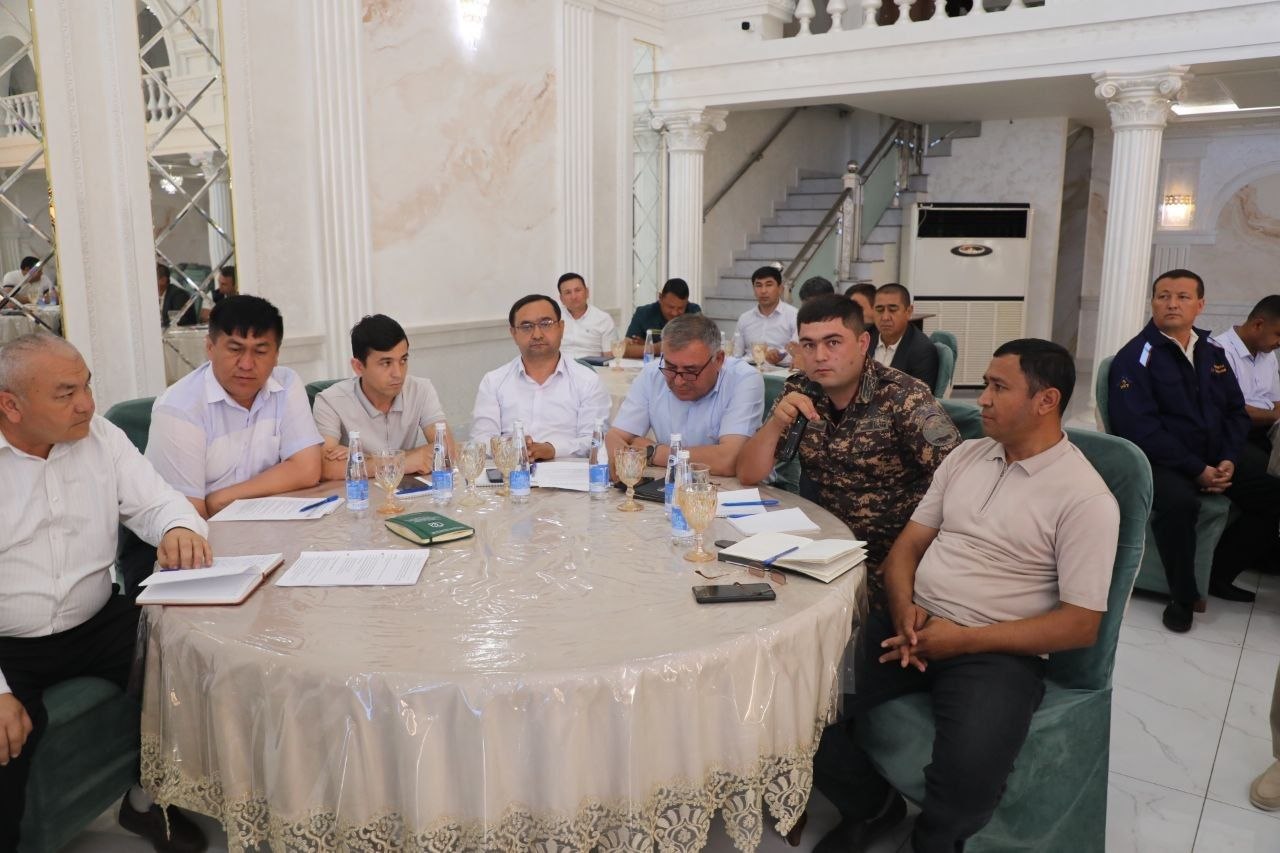
These measures will contribute to creating corruption-free local communities. Following their successful implementation, the program will be expanded to all other districts and cities.
Press Service of the Anti-Corruption Agency