
Law Aimed at Enhancing Anti-Corruption Effectiveness and Ensuring Inevitability of Liability for Corruption Approved by Senators
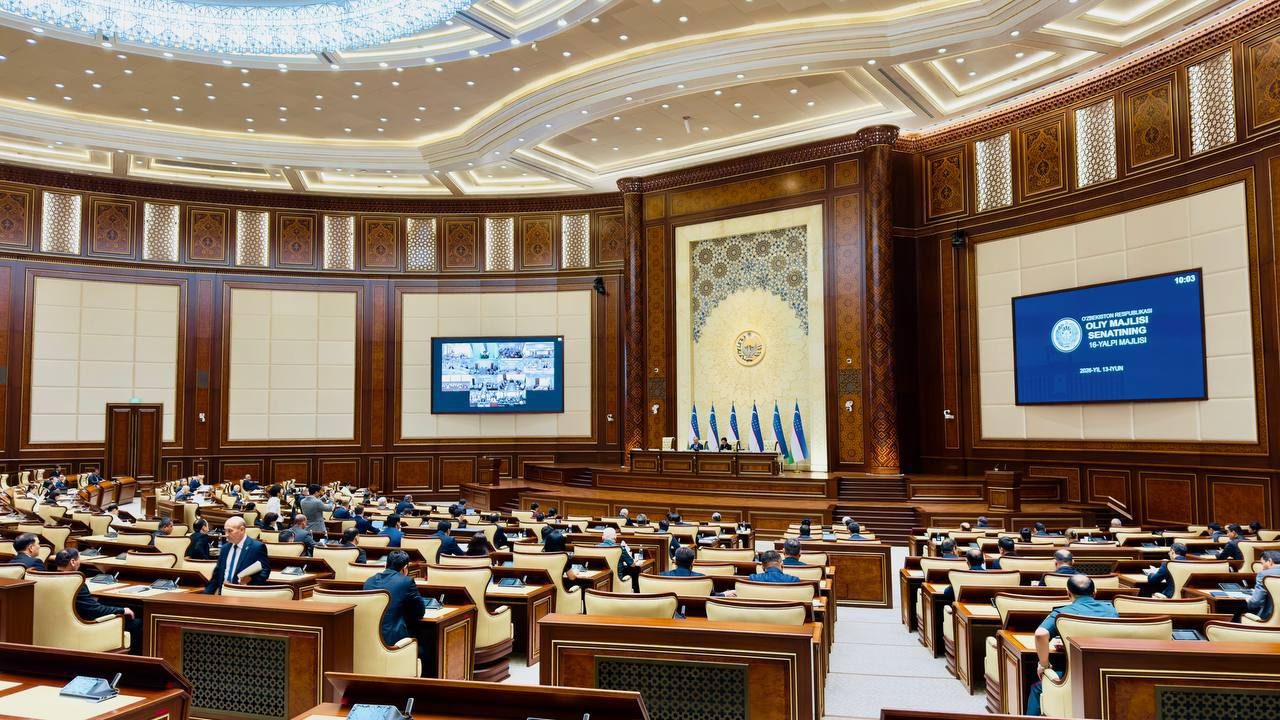
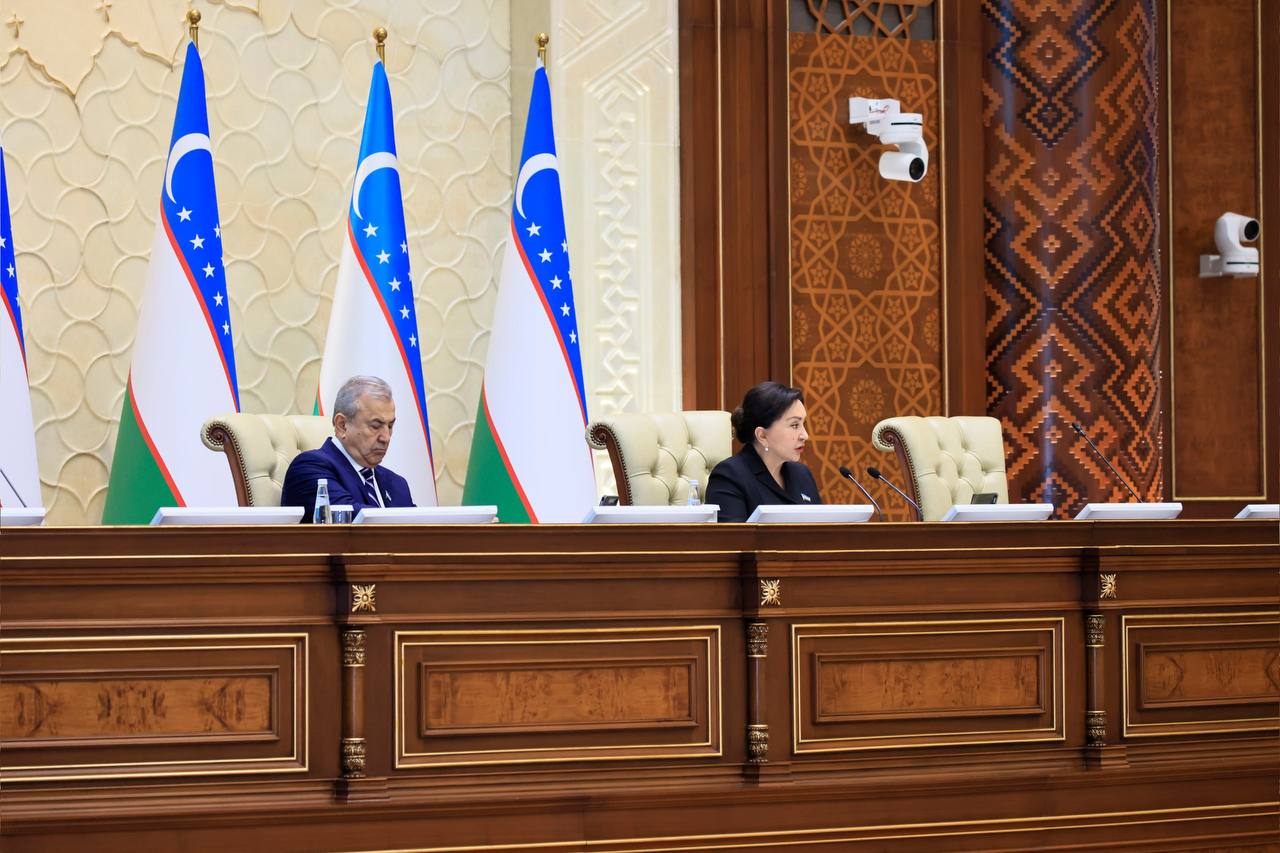
At the plenary session of the Senate of the Oliy Majlis, currently underway, a law aimed at enhancing the effectiveness of anti-corruption efforts and ensuring the inevitability of liability for corruption was approved.
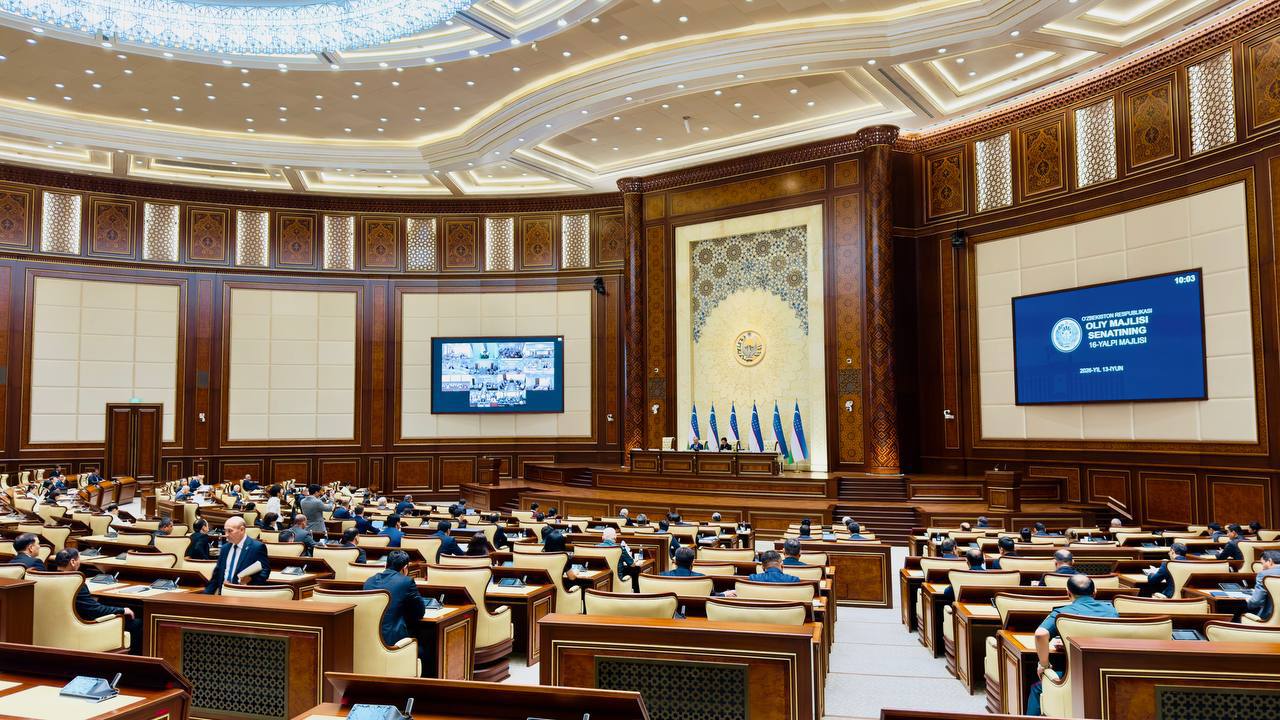
The document introduces amendments and additions to nine legislative acts.
It provides for the following key innovations:
In the Criminal Code:
A definition of the concept of “corruption-related crimes” is introduced, including 18 types of crimes;
Penalties for corruption-related offenses are being strengthened;
It is established that parole or replacement of punishment with a milder sentence shall not apply to individuals who have been repeatedly convicted of embezzlement or misappropriation, fraud without full compensation of damages, as well as repeat or dangerous recidivists, or those who committed crimes such as receiving or giving bribes, or mediation in bribery, in large amounts.
In the Code of Administrative Liability:
Administrative liability is introduced for violations of procedures for forming the initial price of procurement items in public procurement, as well as for exceeding the permissible deviation between initial and average market prices (up to UZS 12.4 million, and for repeat offenses UZS 12.4–20.6 million in fines).
In the Law “On Combating Corruption”:
- The composition of the National Anti-Corruption Council is to be approved by the President of the Republic of Uzbekistan, and the governing bodies of the Council are defined at the legislative level;
- The status and functions of regional anti-corruption councils are clearly defined in a separate article;
- The Anti-Corruption Agency is additionally assigned eight new tasks aimed at fostering a zero-tolerance attitude toward corruption in society;
- The tasks, rights, and security guarantees of compliance and internal anti-corruption control structures are reflected in the law.
Functions of compliance and internal anti-corruption control structures:
- Implementation of internal anti-corruption policies;
- Introduction of effective mechanisms and control systems;
- Coordination of relevant structural units;
- Formation of a corruption-free environment and positive public perception;
Conducting inspections, etc.
Security guarantees:
Employees of compliance and internal anti-corruption control structures shall be under state protection, and investigative or procedural actions against them shall be carried out only with the permission of or upon notification of the Prosecutor General.
They are also granted six additional rights, including:
- Monitoring and recording events and processes;
- Establishing confidential cooperation with third parties;
- Cooperating with pre-investigation and investigative bodies and submitting materials in anti-corruption efforts;
- Temporarily suspending managerial decisions or removing relevant officials from duties when signs of corruption involvement are identified in the top leadership, in coordination with higher authorities.
The following are regulated at the legislative level as effective anti-corruption instruments:
- Establishment of an electronic register of persons who have committed corruption-related crimes;
Persons included in this register are prohibited from entering public service, being nominated for elected or appointed positions, and participating in public procurement and public-private partnership agreements.
- A rule prohibiting the application of disciplinary penalties for two years (without notifying the Agency) against persons who report corruption crimes within their employing organization;
- Mandatory identification and assessment of corruption risks by state bodies and organizations;
Formation of corruption risk maps.
Information note: The methodology for identifying internal corruption risks in state bodies and organizations is approved by the Anti-Corruption Agency and the Ministry of Justice.
The electronic register of persons who committed corruption-related crimes and corruption risk maps are maintained by the Agency.
In the Law “On Public Procurement”:
Public customers are required to comply with clearly defined maximum allowable differences between procurement prices and average market prices.
The regulation approved by the Government will define the procedure for assessing the value of goods, works, and services in public procurement, as well as the introduction of a price monitoring module.
The authority of the Accounts Chamber to oversee internal anti-corruption control structures is removed from the law.
It is also established that fostering a zero-tolerance attitude toward corruption among youth is defined as one of the key directions of state youth policy.
Press Service
of the Anti-Corruption Agency