
Corruption Factors Identified in Higher Education and Obstetrics Provision
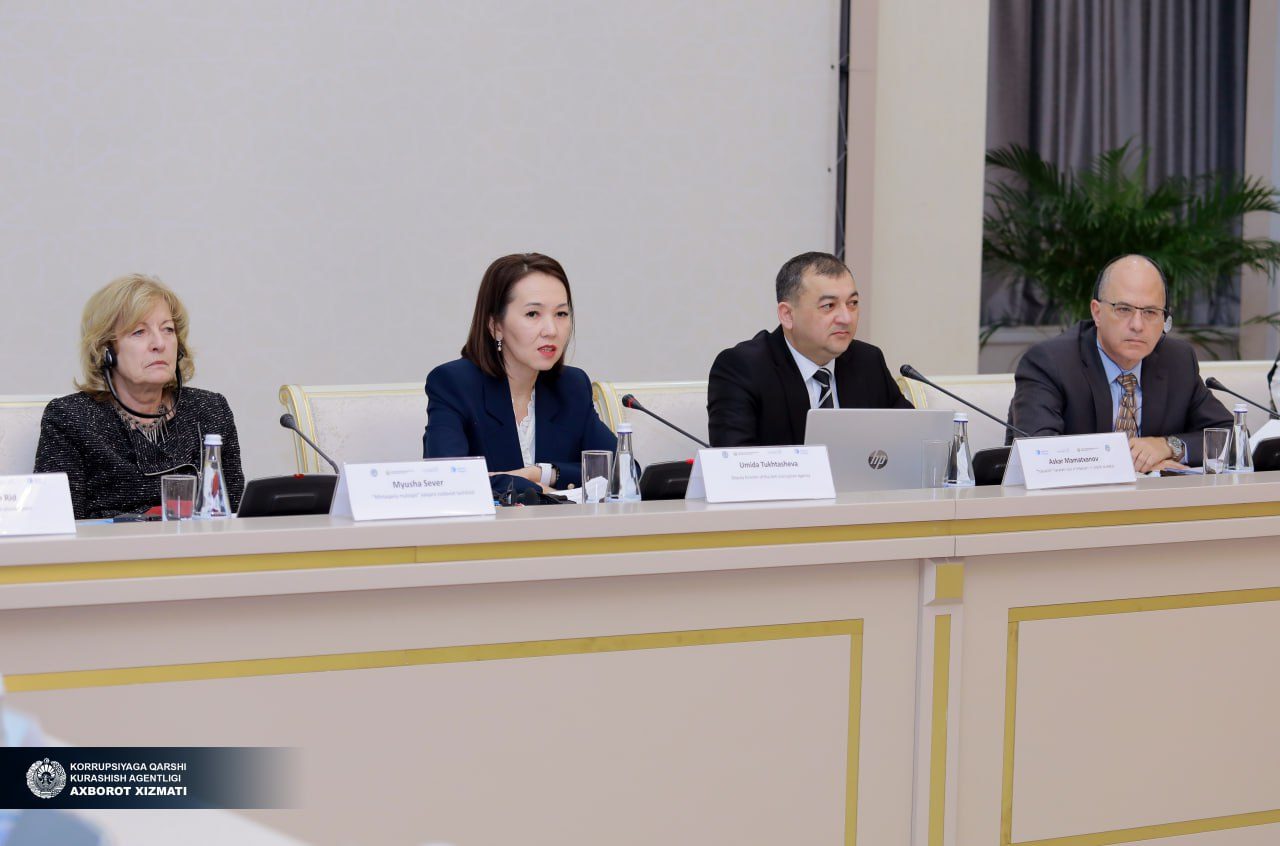
On February 9, the Anti-Corruption Agency, Yuksalish Movement and the Regional Dialogue International NGO (Slovenia), within the framework of the Anti-Corruption Laboratory Project, held a public discussion of the results of studies ‘Integrity risks in assessing student knowledge in high education’ and ‘Integrity and corruption risks in obstetrics provision.’
The participants of the event noted that preliminary results of the study of integrity risks in assessing student knowledge in higher education showed that the current information systems in the field are imperfect, awareness of anti-corruption measures is not complete, some procedures in the system have lost their effectiveness, and there are also corruption risk factors in the field.

In particular, 74.4% of the respondents who took part in the survey believe that the process of student grading is influenced. 27.8% of student-respondents admitted the possibility to change the grade by giving a gift (38.9%), providing service to the university (16.7%), giving money (5.6%).

The results of a study on the integrity and corruption risks in obstetrics provision showed that corruption risk factors are associated primarily with the lack of budgetary funds and equipment for public maternity hospitals, as well as the uneven distribution of budgetary funds between central and local maternity hospitals.
The main factors also include the low level of remuneration of medical personnel and work overload.

At the event, similar risks identified as part of the studies were discussed, proposals and recommendations were given to reduce and eliminate them.
In addition, international experts on anti-corruption strategies and corruption risk assessment methodology and local experts, researchers, representatives of healthcare and higher education sectors spoke with views and proposals.
Press Office
The Anti-Corruption Agency