O'zbek
 Ўзбек
Ўзбек
 Русский


 Accessibility


Baseline Report of the Fifth Round of Monitoring under the Istanbul Anti-Corruption Action Plan and Roadmap Discussed in Tashkent
Presentation of the Baseline Report within the framework of the fifth round of monitoring of the Istanbul Anti-Corruption Action Plan of the OECD Anti-Corruption Network and Roadmap for further improvement of anti-corruption reforms in Uzbekistan took place May 27 in Tashkent.
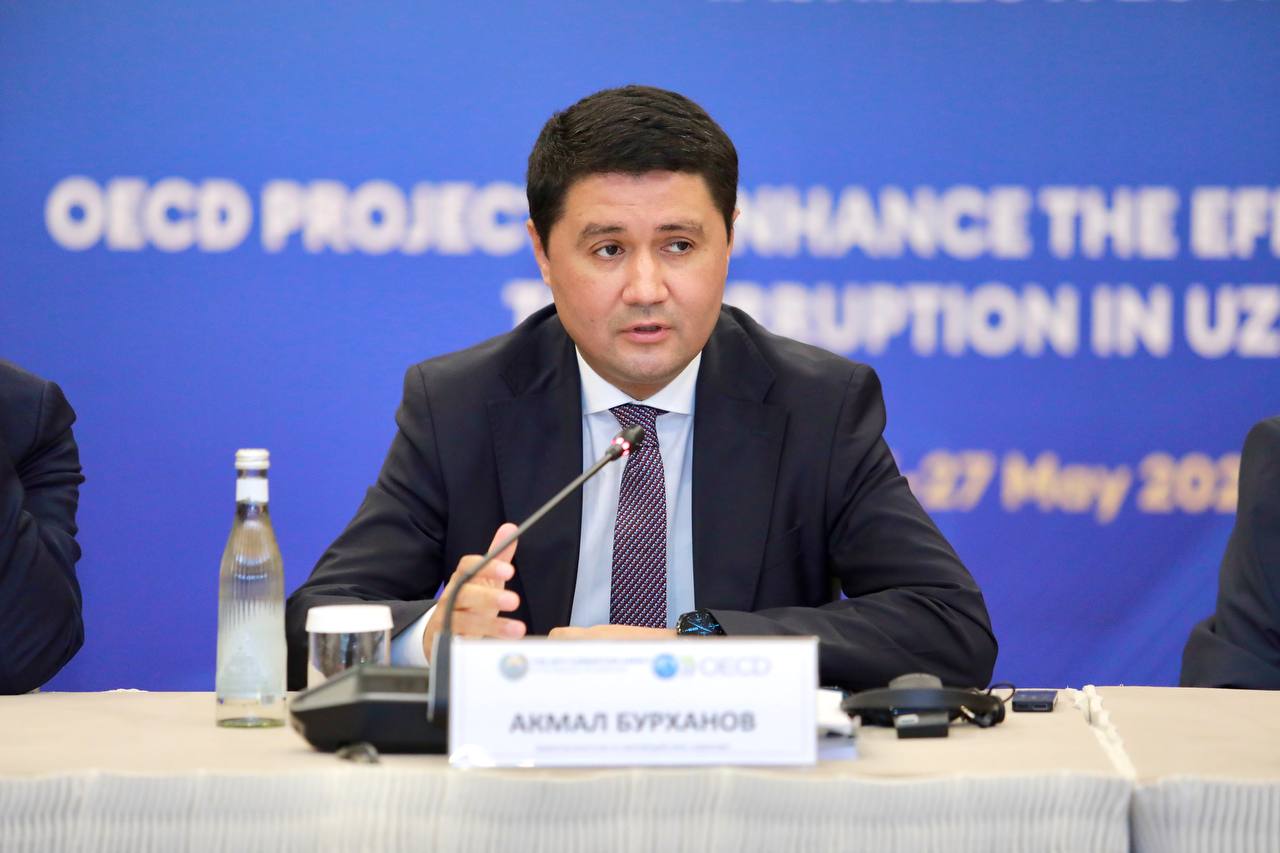
The Anti-Corruption Agency of the Republic of Uzbekistan jointly with the OECD and international partner organizations acted the organizers of the event. Akmal Burkhanov, Director of the Anti-Corruption Agency, Jonathan Henick, US Ambassador to Uzbekistan, and Julia Fromholz, Head of the Anti-Corruption Division in the OECD’s Directorate for Financial and Enterprise Affairs (online), as well as representatives of relevant ministries and departments, civil society institutions, international organizations and the diplomatic corps attended the event.
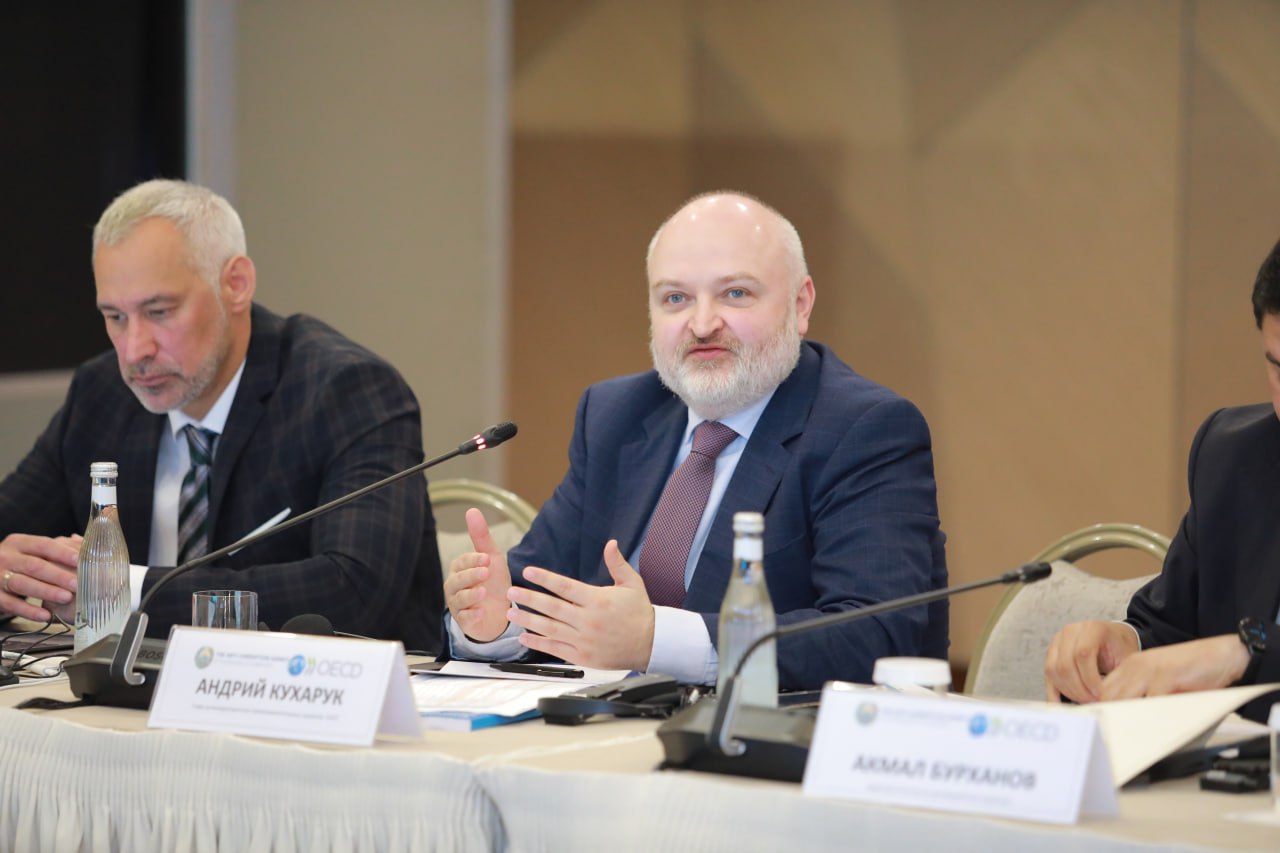
For reference: The Istanbul Action Plan is the sub-regional peer-review program for the Anti-Corruption Network for Eastern Europe and Central Asia, covering Armenia, Azerbaijan, Georgia, Kazakhstan, Kyrgyzstan, Moldova, Mongolia, Tajikistan, Ukraine and Uzbekistan. It analyses the state of implementation of the UN Convention against Corruption and international anti-corruption standards in the national practices of the participating states.
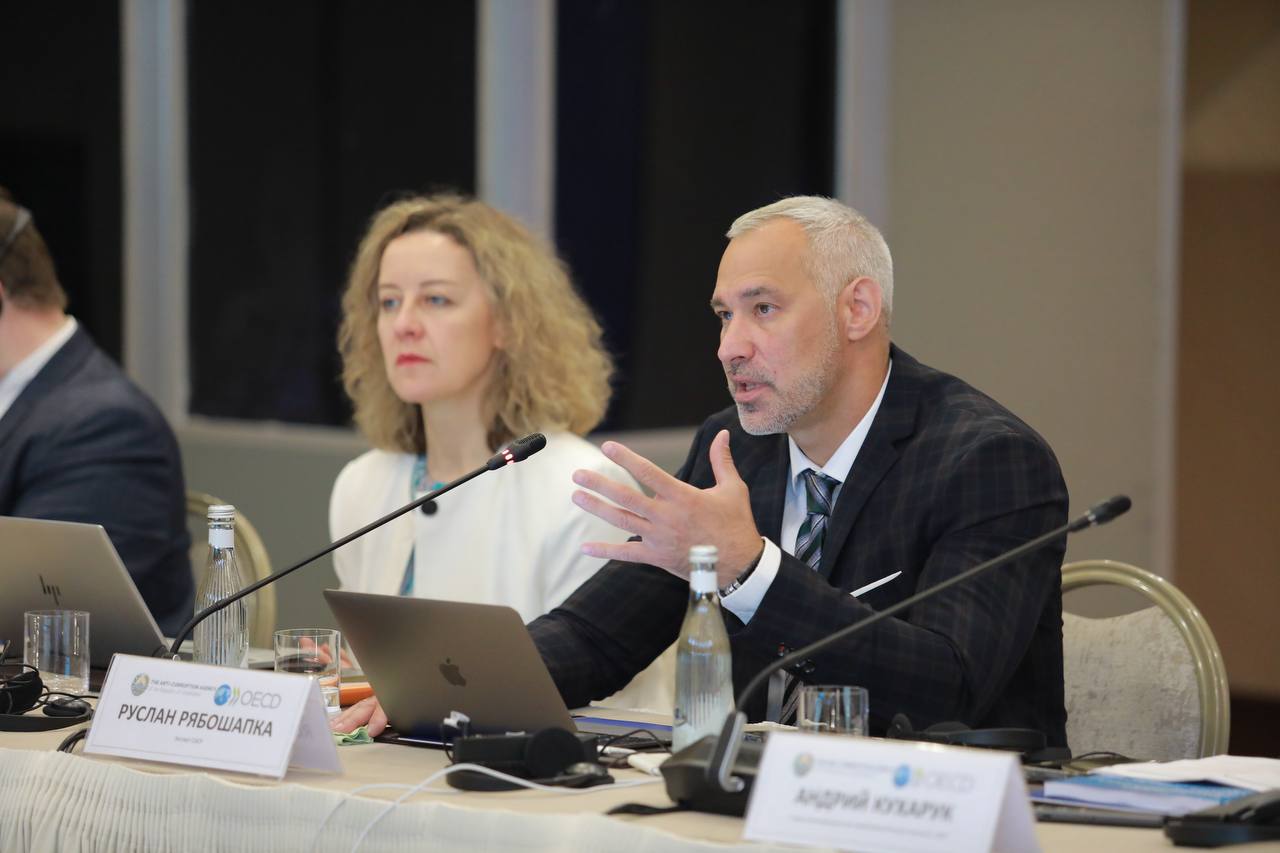 As noted, the Istanbul Action Plan presented by the OECD currently serves as an important benchmark in the implementation of anti-corruption reforms in Uzbekistan. It not only assesses the progress achieved, but also identifies priority areas requiring attention. In particular, the fifth round of monitoring and assessment conducted in Uzbekistan in 2024 included nine efficiency areas, including anti-corruption policy, conflict of interest and asset declarations, protection of whistleblowers, business integrity, integrity in public procurement, independence of judiciary, independence of public prosecution service, specialized anti-corruption institutions and enforcement of corruption offences.
As a result, Uzbekistan’s anti-corruption policy received the highest rating among Central Asian countries, and OECD representatives recognized the positive trend of reforms in the country. In particular, it was emphasized that the role of civil society institutions in the development and implementation of anti-corruption policy in Uzbekistan has increased. Uzbekistan’s indicators have also improved in the areas of public procurement and integrity in business.
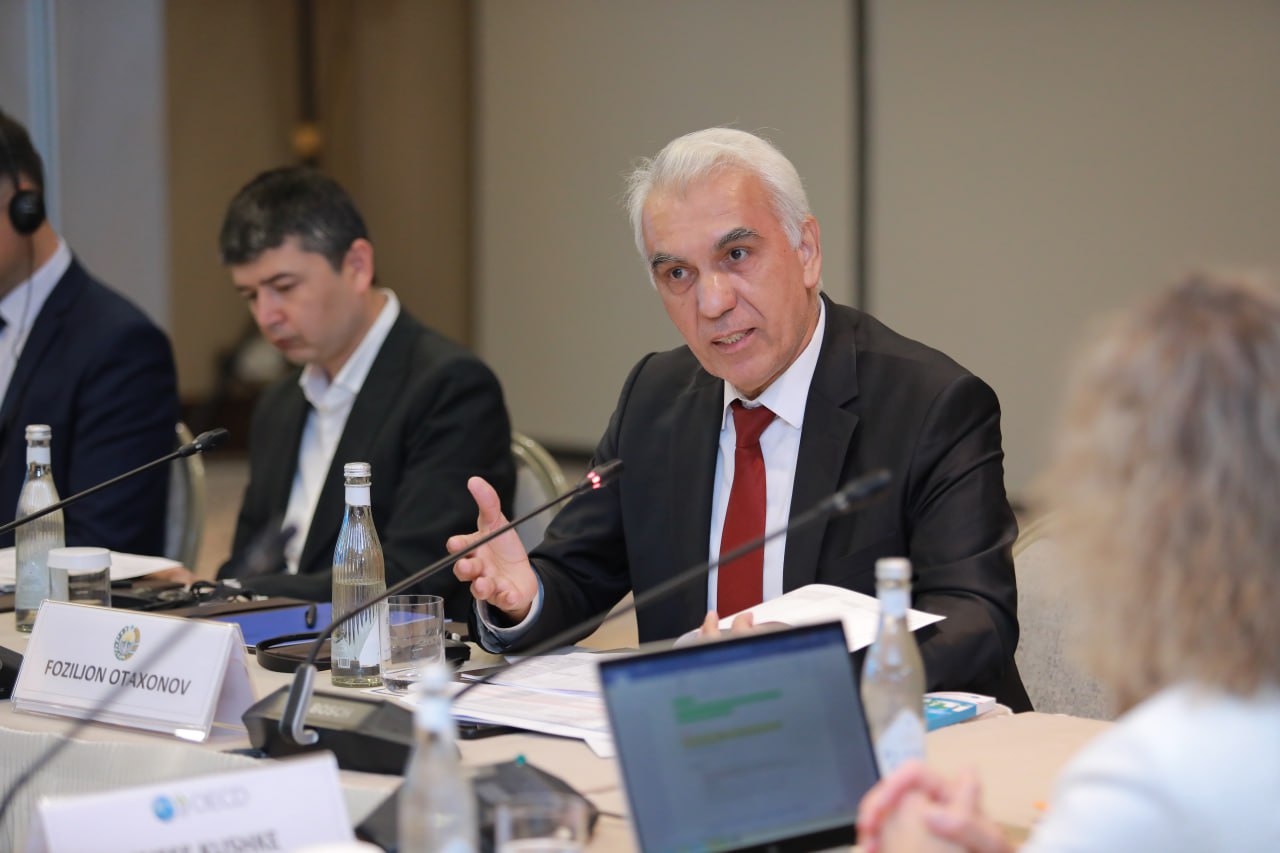
All this was noted as a result of the political will of the President of the Republic of Uzbekistan Shavkat Mirziyoyev, the efforts of the parliament and the executive branch of the country, as well as the practical results of the close support and cooperation of international partners.
The event focused on the recommendations developed by the OECD in each of the above areas based on the monitoring results. Practical and effective recommendations and measures for their implementation were discussed for each area. Non-governmental stakeholders and civil society representatives also actively participated in this process, expressing their opinions and comments.
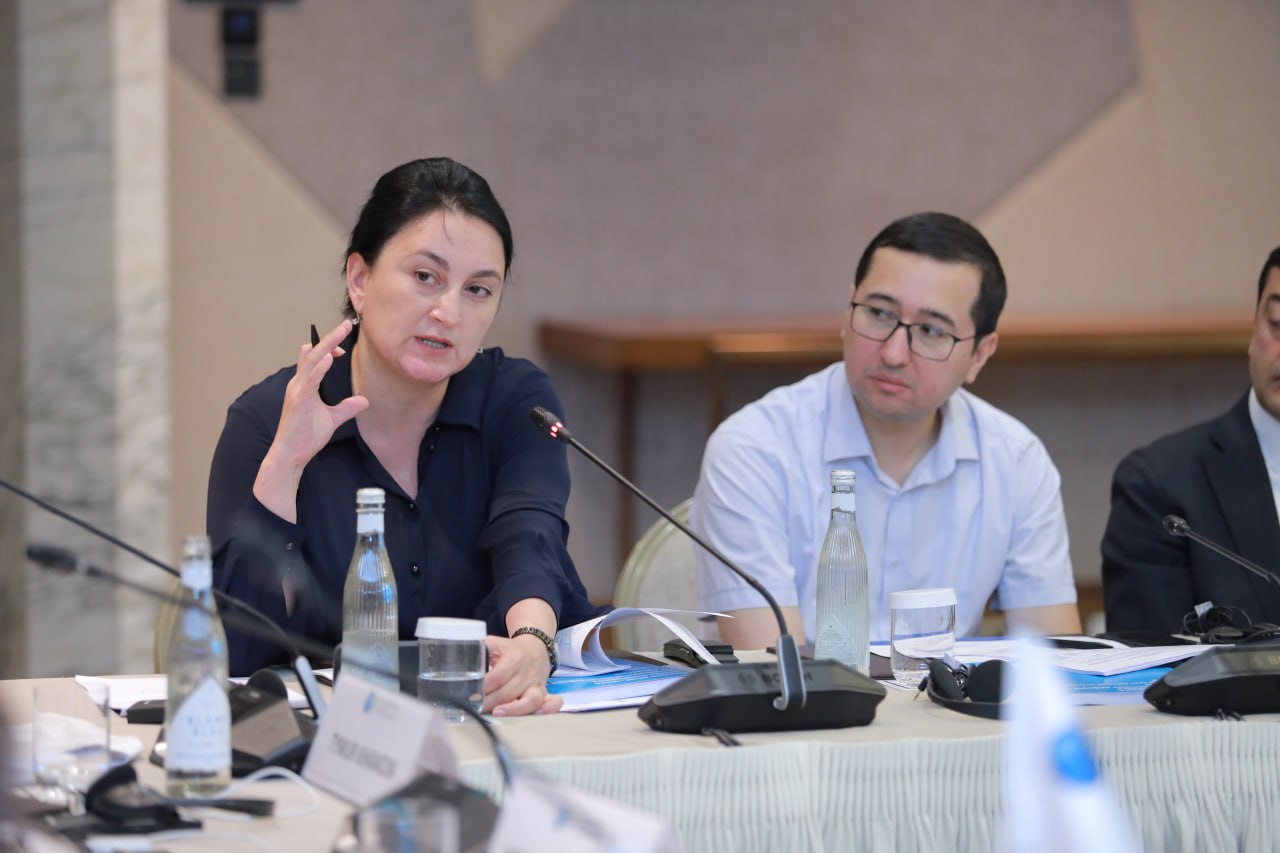
During the discussions, based on the results of the Baseline Report and the developed recommendations, the need was emphasized to further strengthen attention to such areas as increasing the independence and effectiveness of anti-corruption bodies in Uzbekistan, increasing the transparency of the appointment and accountability of judges and prosecutors, improving whistleblower protection mechanisms, as well as asset declaration and conflict of interest systems, increasing integrity in public procurement and private sector, ensuring the inevitability of punishment for corruption offences.
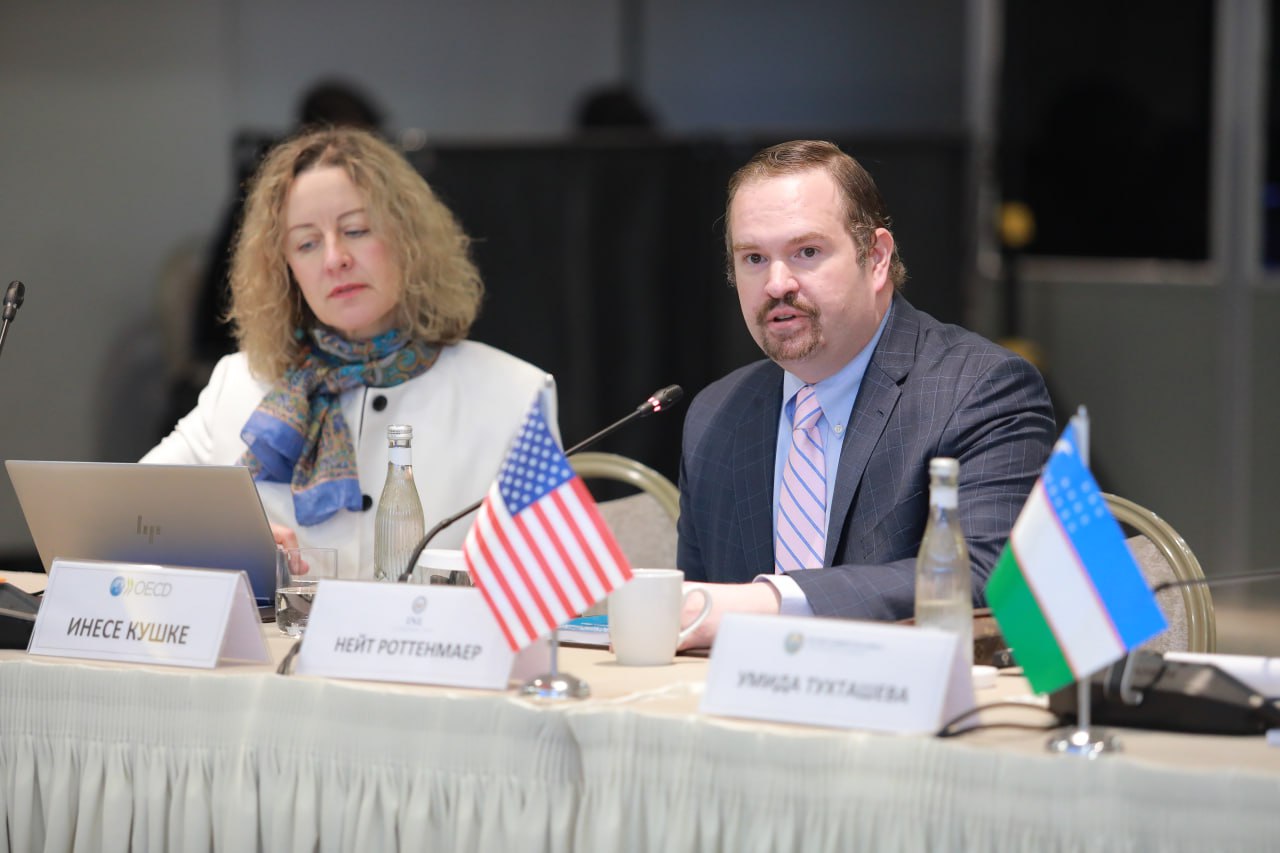
The participants also discussed the Roadmap developed on the basis of the presented OECD recommendations, and specific tasks for its implementation were identified.
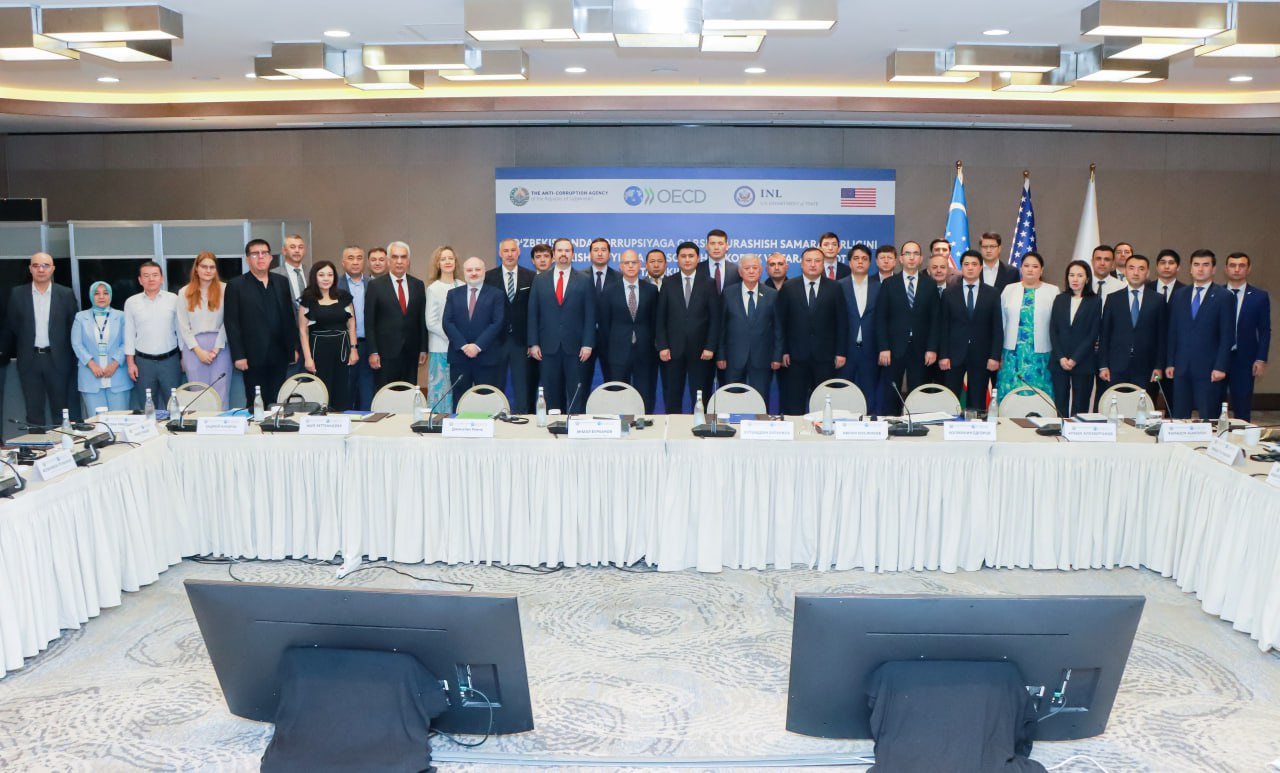
The event became both a venue for the presentation of the Baseline Report and the Roadmap, and a platform for exchanging experiences, adapting national reforms to international standards and further strengthening cooperation.
 27.05.2025