
Results of Activities in the First Half of 2026 and Priority Tasks for the Coming Period Discussed
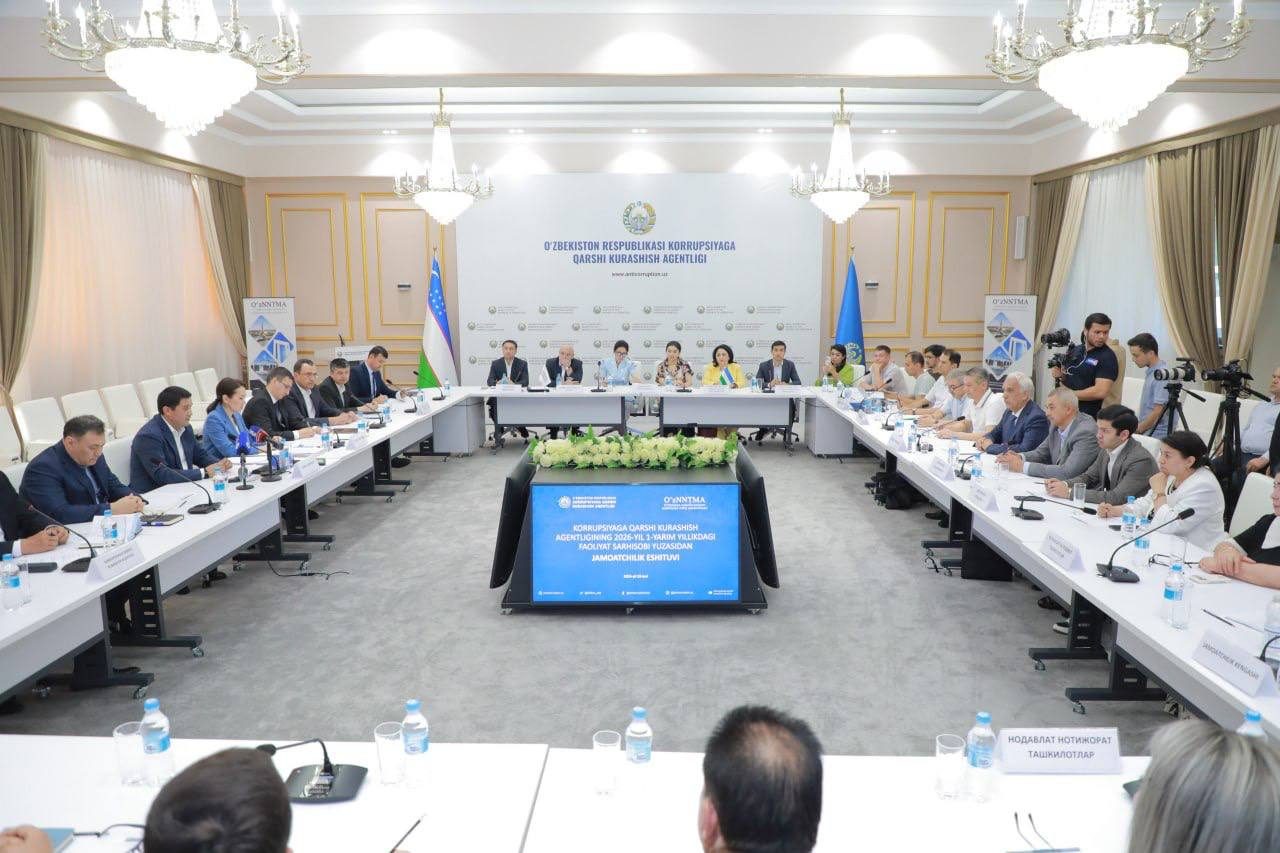
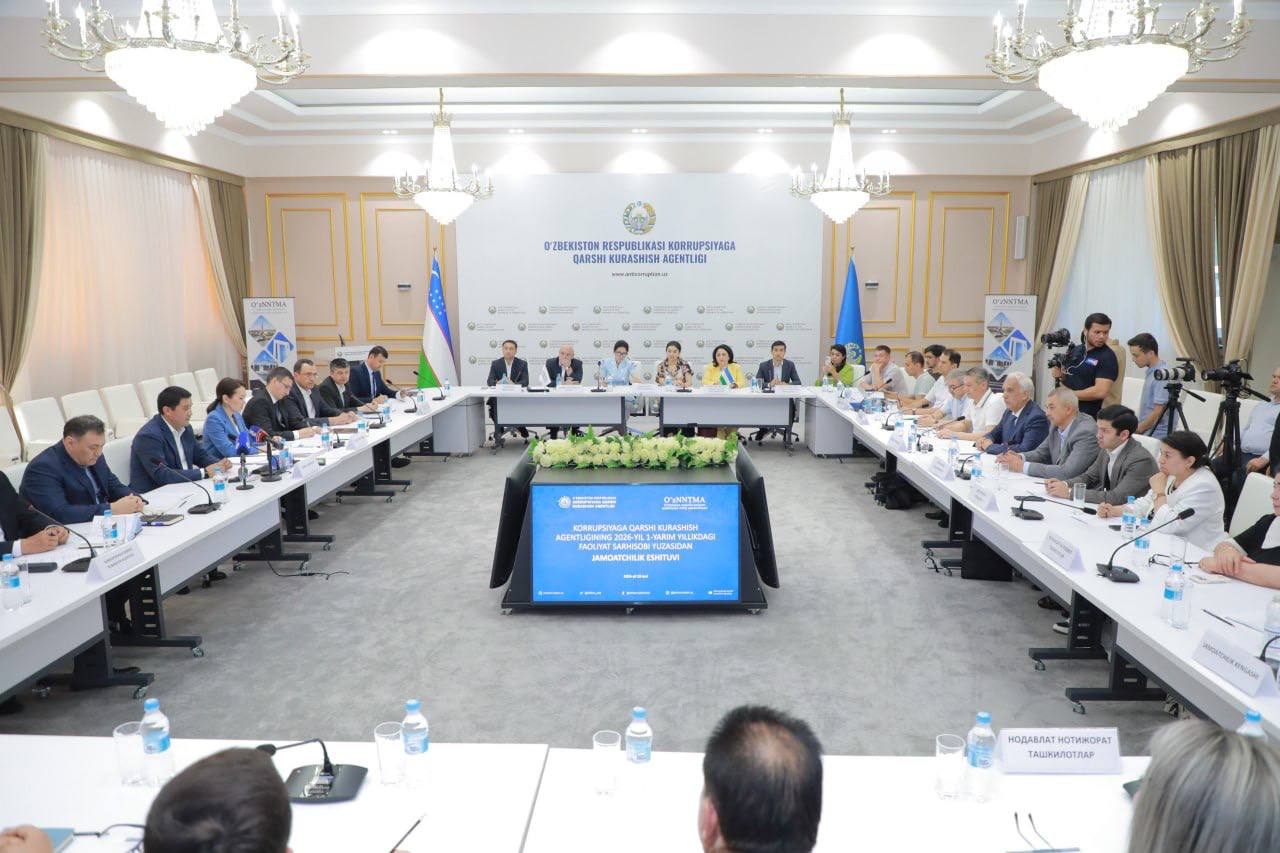
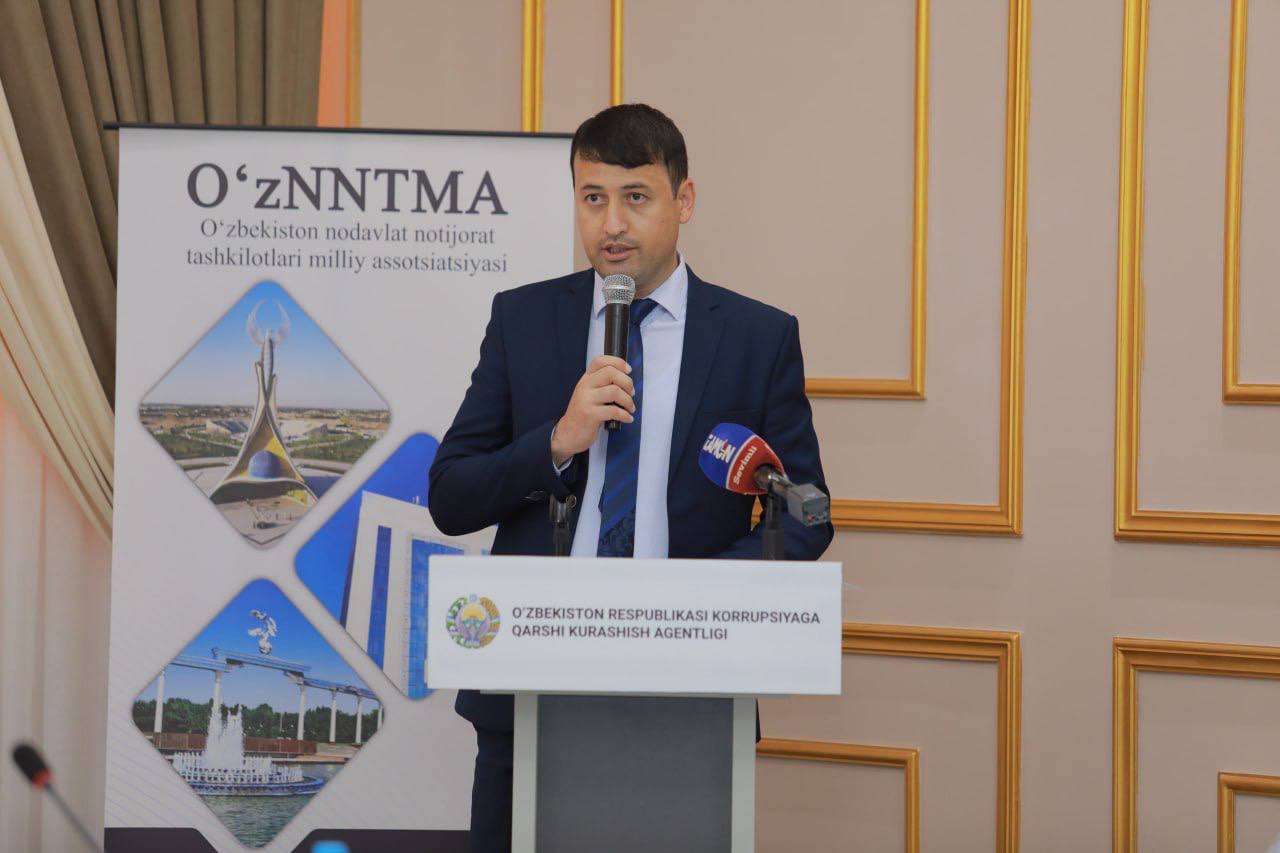
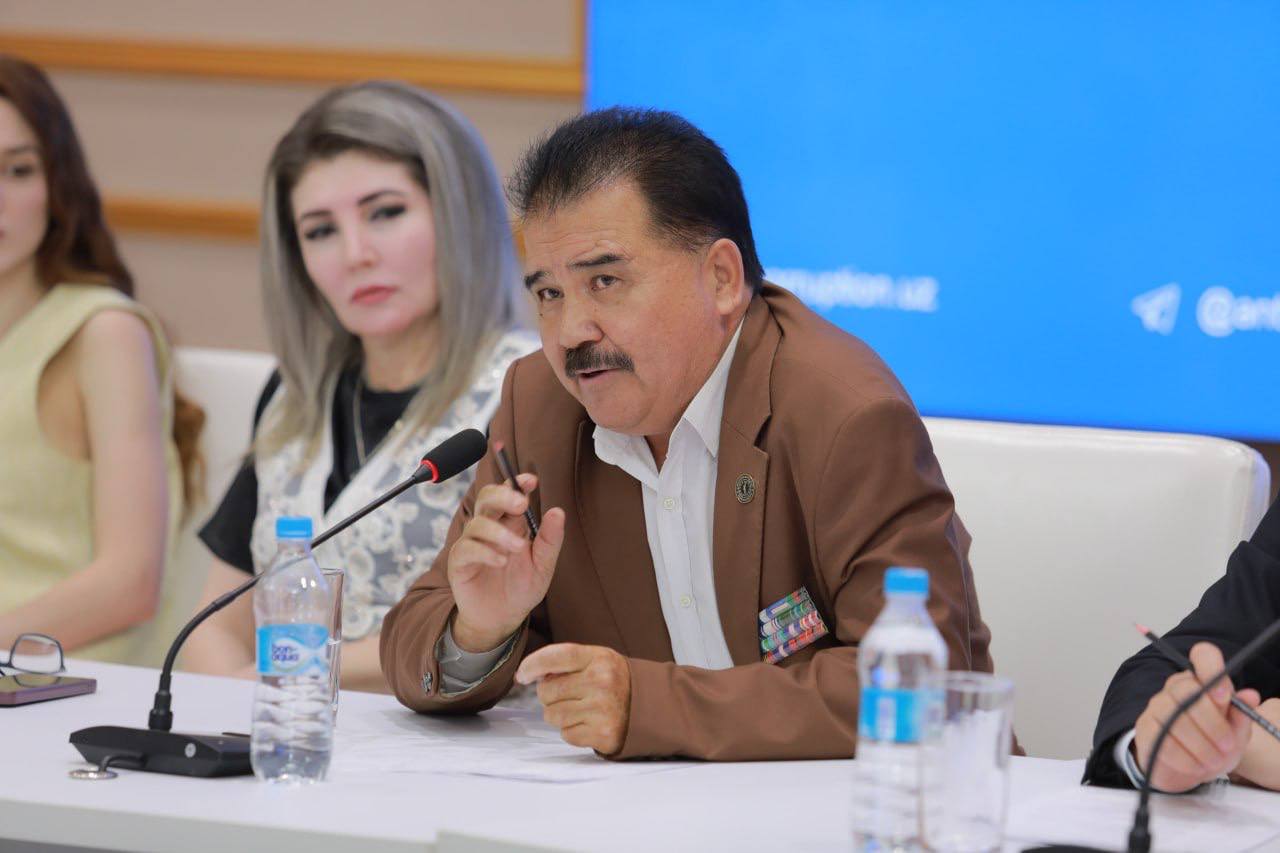
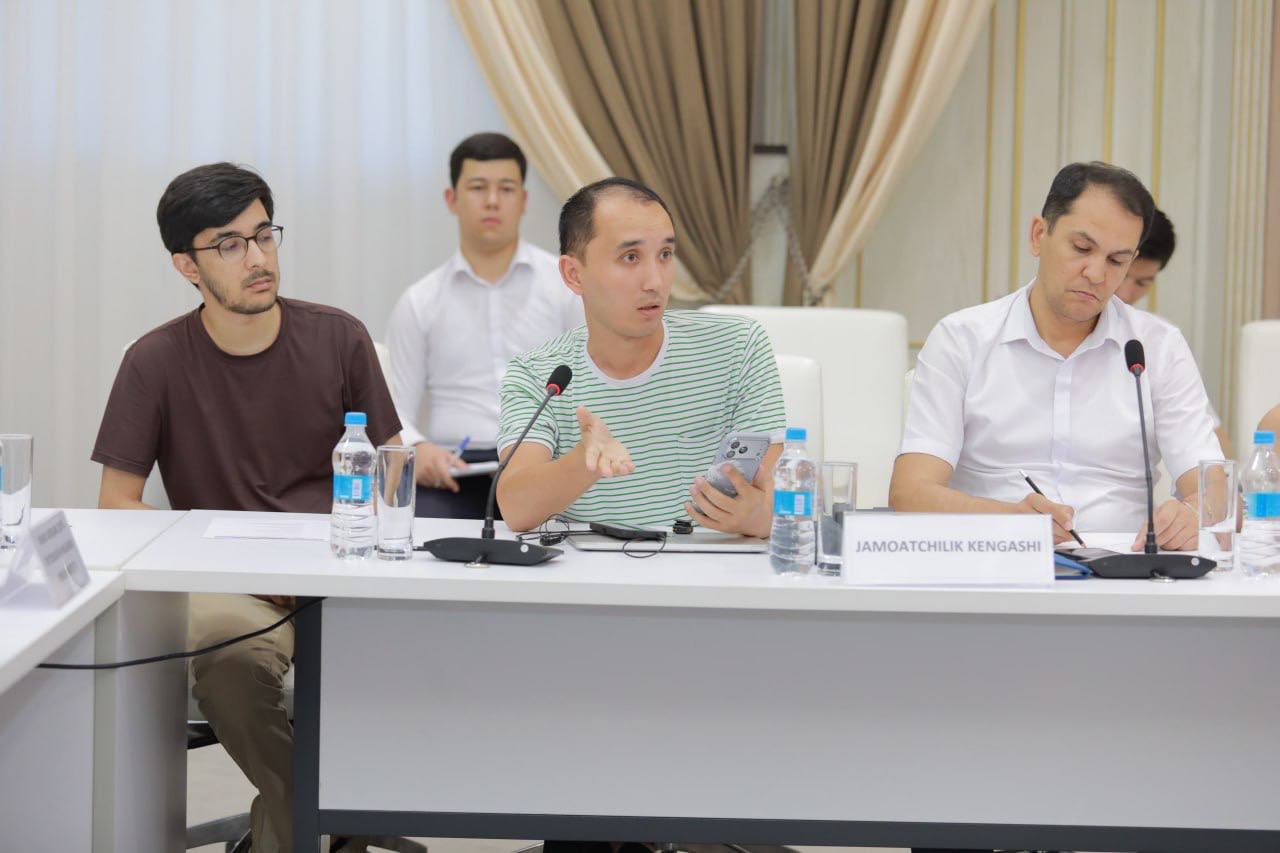
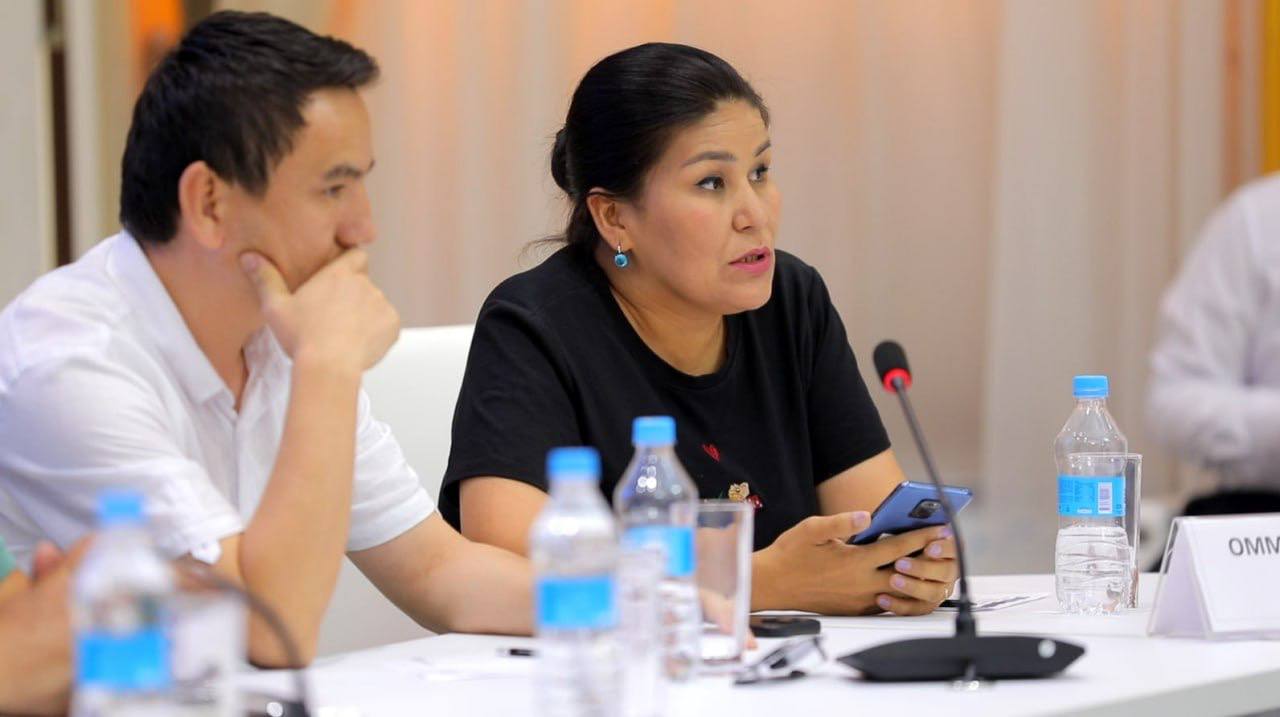
On July 28 this year, the Anti-Corruption Agency held a public hearing on the results of work carried out during the first half of 2026, as well as a regular meeting of the Public Council under the Agency.
The event focused on the results achieved in preventing corruption, ensuring openness and transparency in public administration, addressing corruption risks, and expanding international cooperation in this area, as well as priority tasks for the period ahead.
It was noted that this year the legal framework for combating corruption has been further strengthened, with seven important legal and regulatory acts adopted. In particular, a specific list of corruption-related crimes was established, while new preventive legal mechanisms were introduced, including an electronic register of persons who have committed corruption-related crimes, the development of a corruption risk map, and measures to improve the compliance control system.
The practice has also been introduced whereby candidates for positions as members of the Government and hokims are required to present an anti-corruption action plan when their candidacies are considered by the Legislative Chamber and Senate of the Oliy Majlis, as well as by regional, district and city Councils of People’s Deputies. A procedure was also established for anti-corruption review of major investment projects by internal anti-corruption control units of state bodies and organizations.
In addition, procedures were approved for effectively organizing the work of internal anti-corruption control units, as well as for enhancing the professional qualifications of their staff, conducting internships and carrying out certification.
To fully digitalize the activities of the Anti-Corruption Agency and the internal control units of state bodies and organizations, the “Digital Compliance” information and software complex was launched. The Corruption Prevention Cluster was also established.
During the reporting period, the internal anti-corruption control units of state bodies and organizations conducted 19,709 inspections, monitoring and control activities. As a result, financial errors and deficiencies amounting to UZS 1,886.0 billion were identified. Of this amount, violations totaling UZS 264.7 billion were remedied, while the misuse of UZS 587.8 billion was prevented.
A total of 28,318 civil servants received training through the “Virtual Academy for Combating Corruption” platform.
The meeting also noted that, in accordance with Article 193⁴ of the Code of Administrative Responsibility, administrative reports were drawn up against 137 officials for violations of legislation on conflicts of interest and submitted to the relevant courts.
Violations were also identified in 92 public procurement procedures worth UZS 350 billion. As a result, 46 submissions totaling UZS 210.1 billion were sent to ministries and agencies, while 45 sets of materials were referred to law enforcement bodies for legal assessment.
During the reporting period, 185 draft legal and regulatory acts underwent anti-corruption review, resulting in the identification of 255 corruption factors. Relevant proposals were submitted to ministries and agencies to eliminate these factors.
A total of 24,241 decisions and orders adopted under a “hidden” status in the “E-qaror” system during the reporting period were reviewed. It was established that 648 of them had been unjustifiably adopted under the “hidden” status, following which 42 submissions were sent to local government authorities requesting that these decisions be made public.
The draft of the Fifth National Report on Combating Corruption in the Republic of Uzbekistan was also prepared and submitted to the chambers of the Oliy Majlis.
The Openness Index for state bodies and organizations was compiled based on the results of 2025.
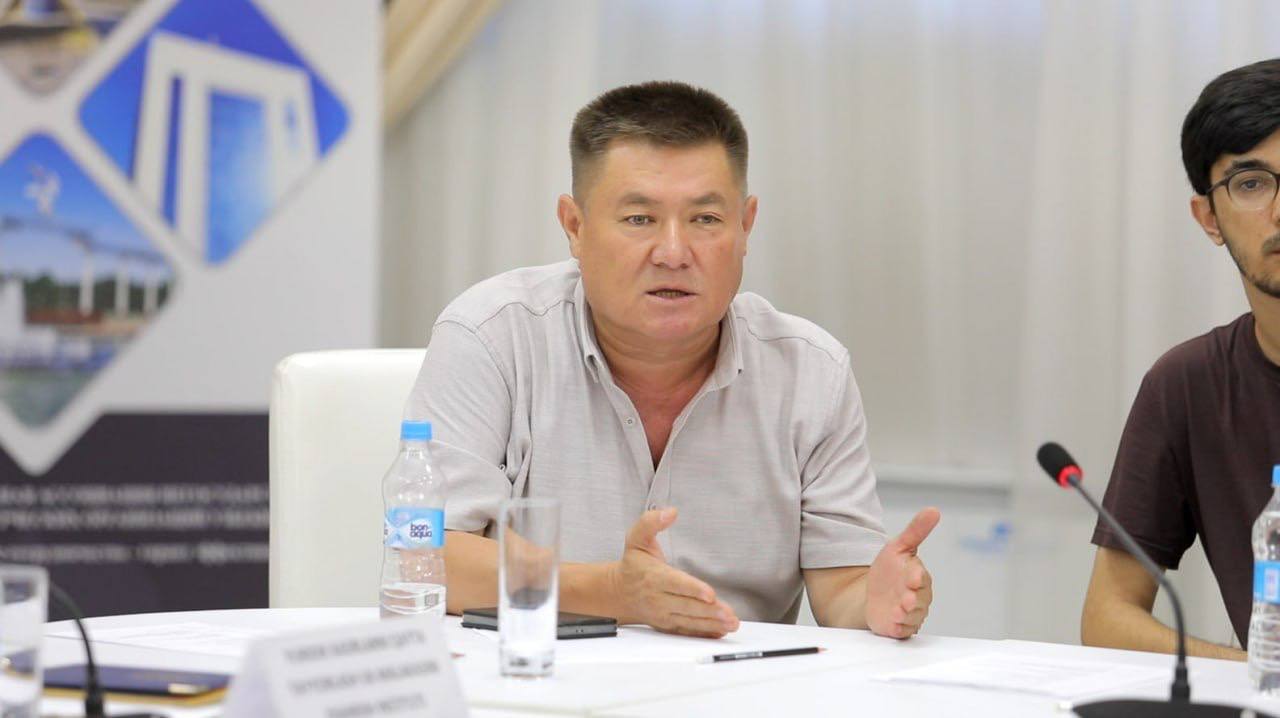
Members of the Public Council also highlighted the results of work carried out in cooperation with civil society institutions. In particular, for the first time, the “Openness and Transparency in Uzbekistan” Analytical Center and the Uzbekistan Center for Retraining Journalists conducted independent monitoring of Uzbekistan’s compliance with Articles 5 and 13 of the United Nations Convention against Corruption.
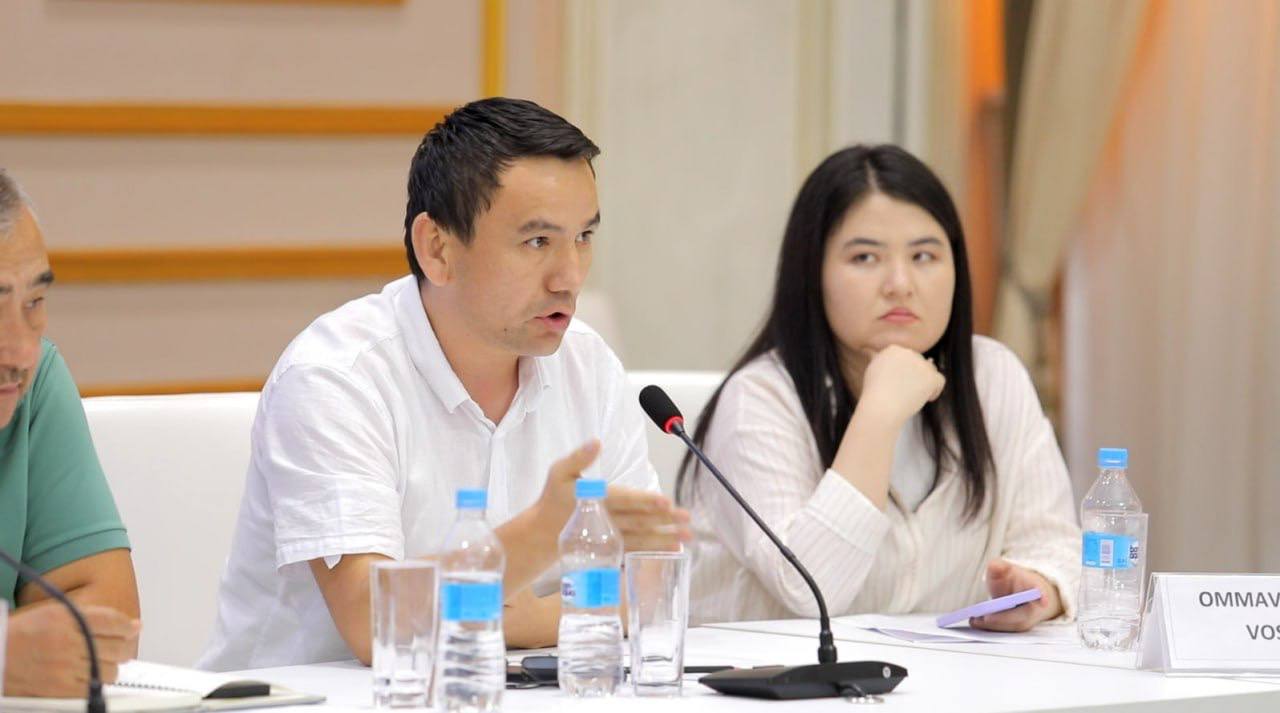
As part of international cooperation, the National Integrity System (NIS) Assessment Report for Uzbekistan was published jointly with Transparency International, and a Roadmap was developed for its implementation.
The “LISA — Local Integrity System” project was also implemented in cooperation with the European Union and the United Nations Development Programme. As part of the project, corruption risks within local government systems were assessed in the Republic of Karakalpakstan and in the Samarkand and Kashkadarya regions.
A historic decision was adopted to host the 12th session of the Conference of the States Parties to the United Nations Convention against Corruption in Uzbekistan in 2027.
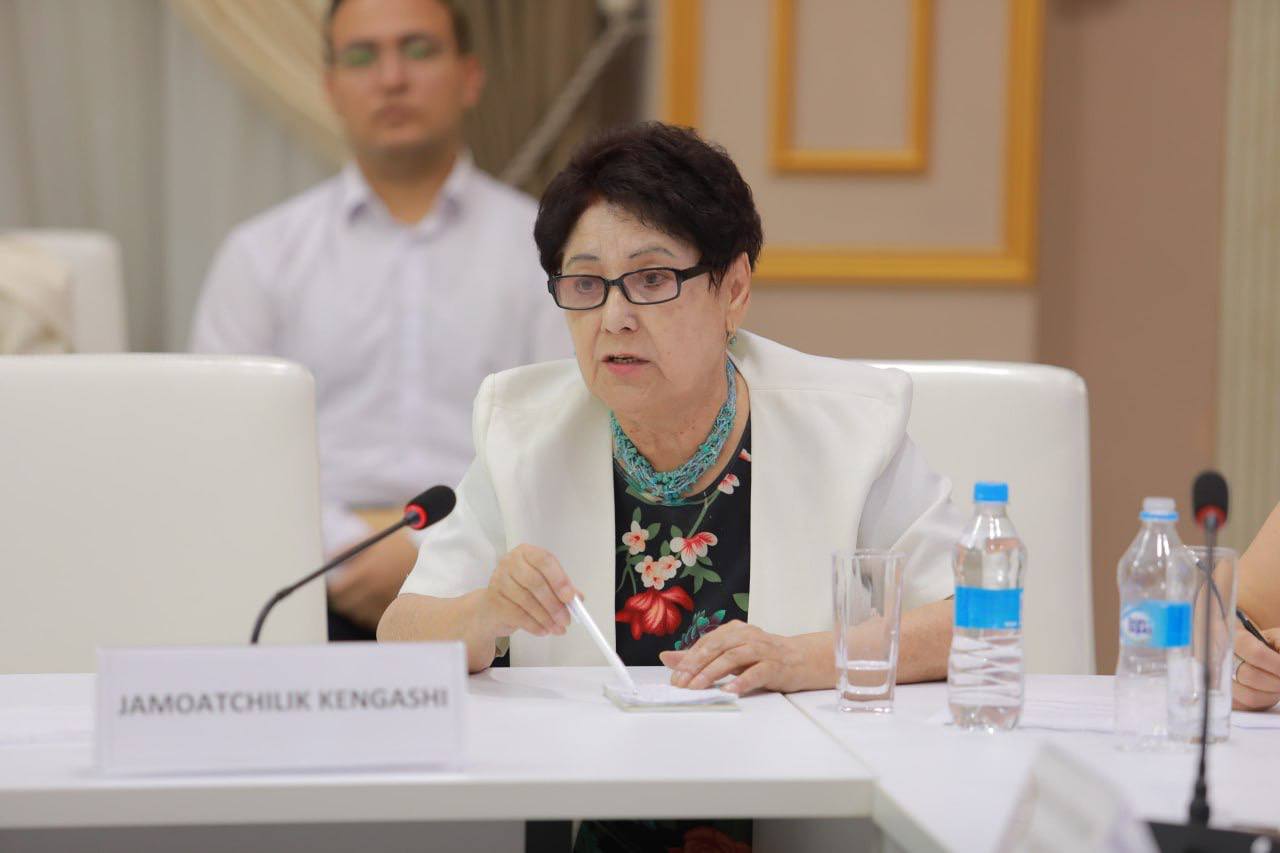
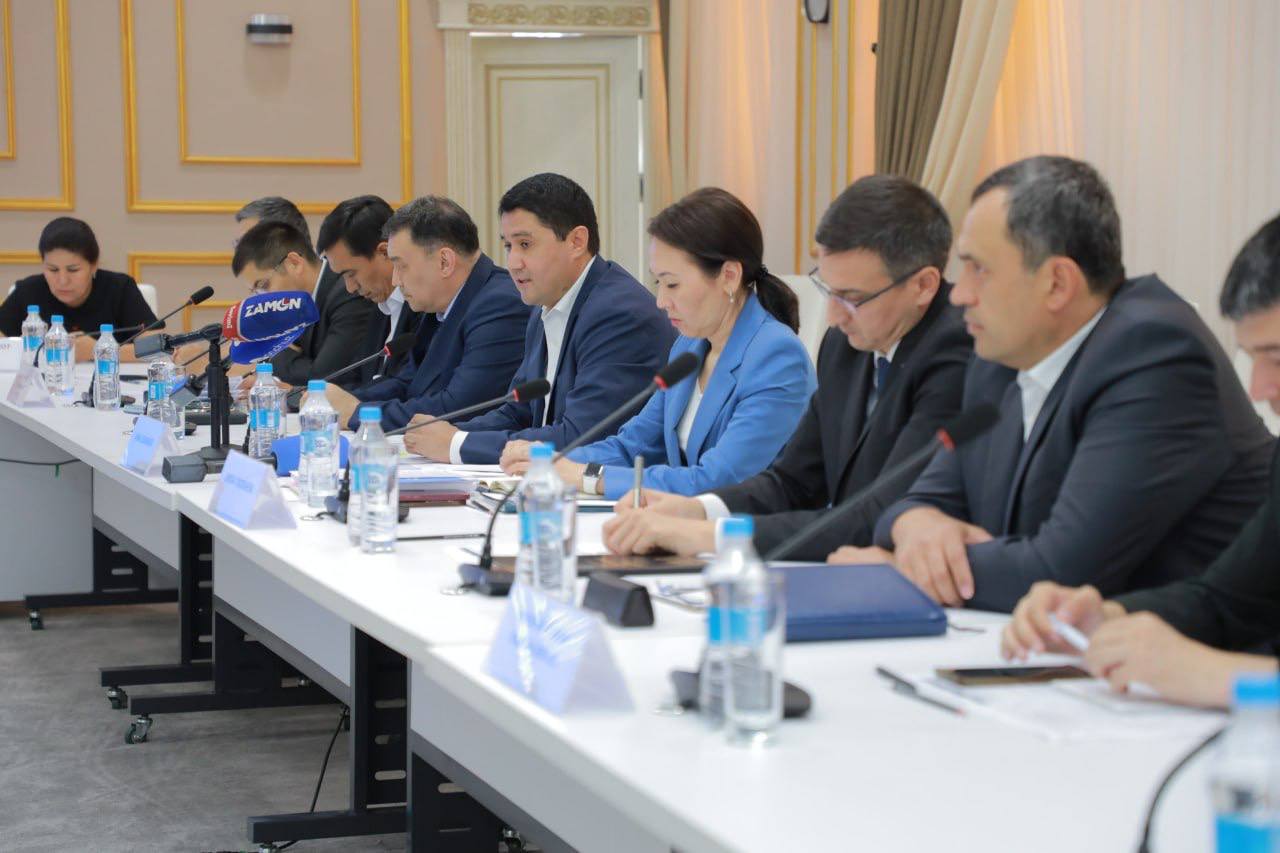
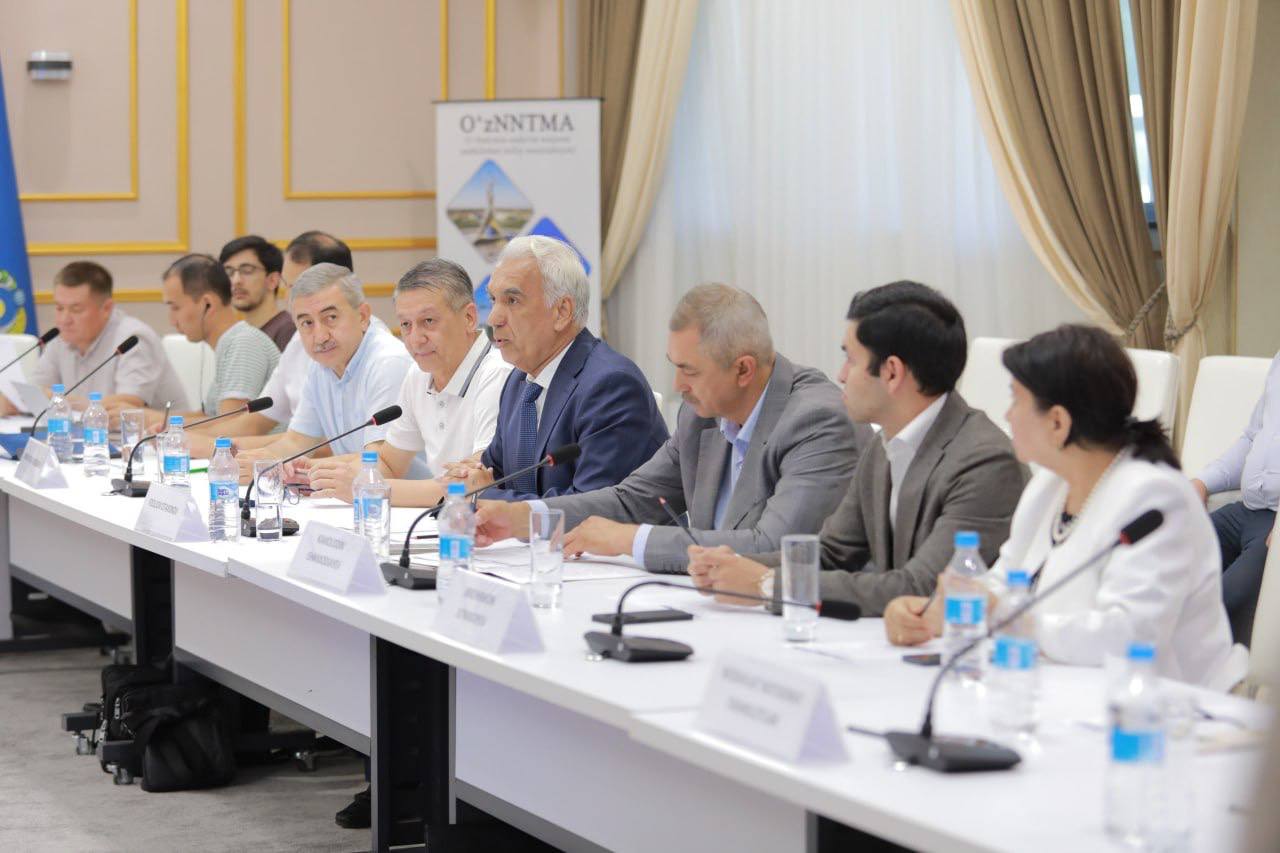
During the meeting, representatives of non-governmental non-profit organizations and the media expressed their views and proposals on the work carried out during the reporting period.
At the conclusion of the discussions, detailed information was presented on the priority tasks of the Agency and its Public Council for the second half of 2026.
Press Service of the Anti-Corruption Agency