
Uzbekistan Commences the Second Phase of the OECD Anti-Corruption Network Fifth Round of Monitoring
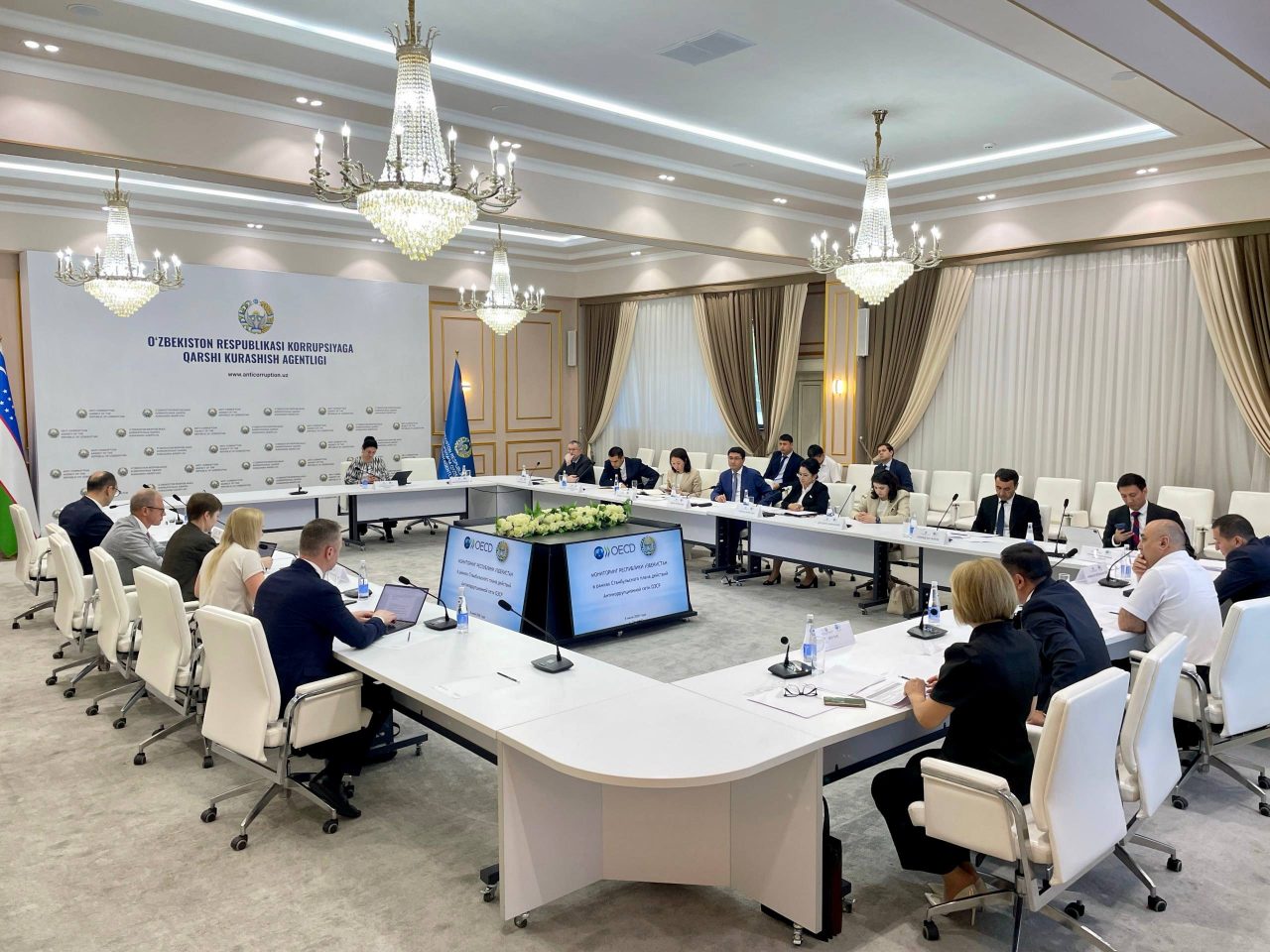
Today, Uzbekistan launched the second phase of the Fifth Round of Monitoring under the Anti-Corruption Network (ACN) of the Organisation for Economic Co-operation and Development (OECD).
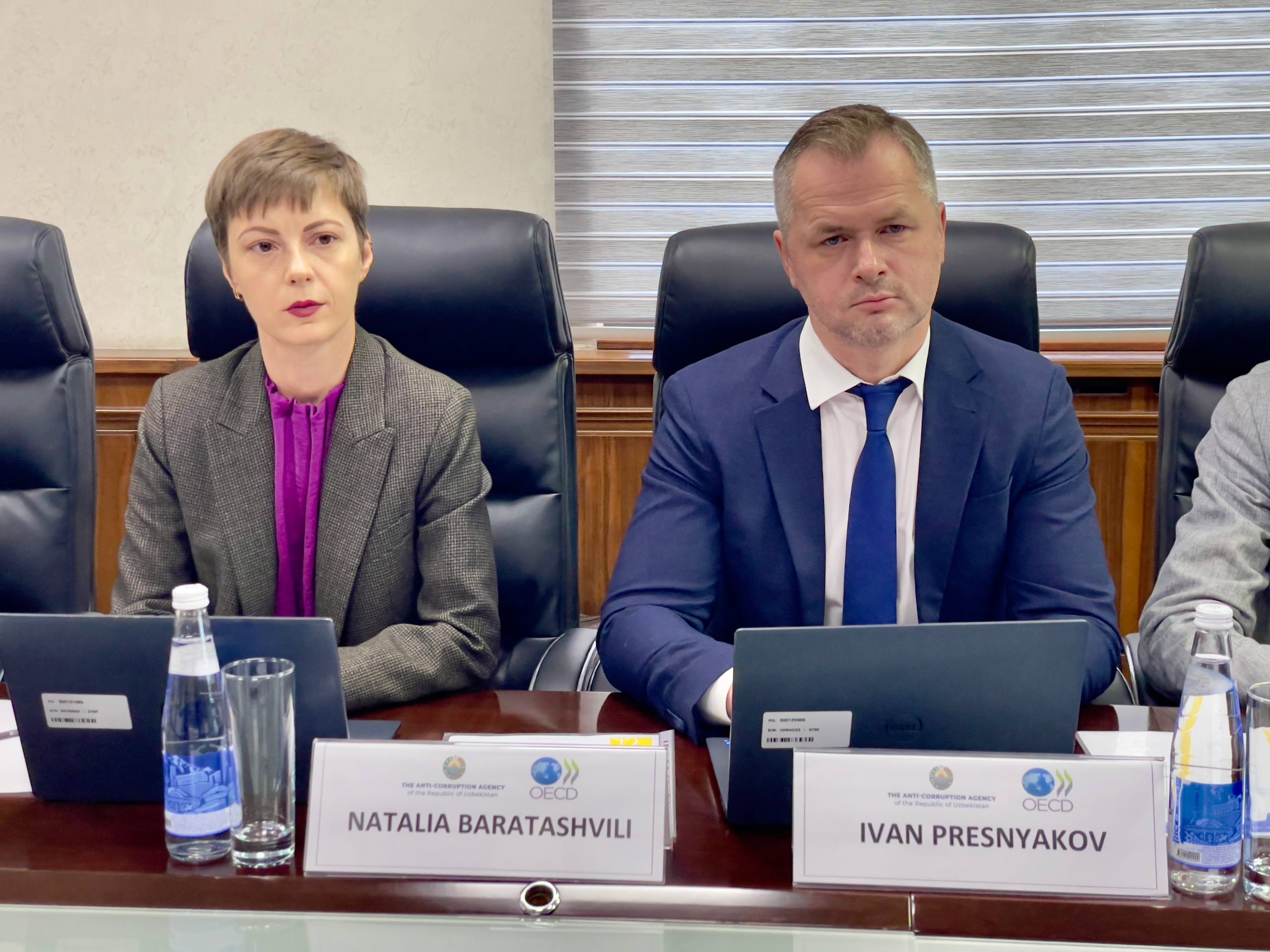
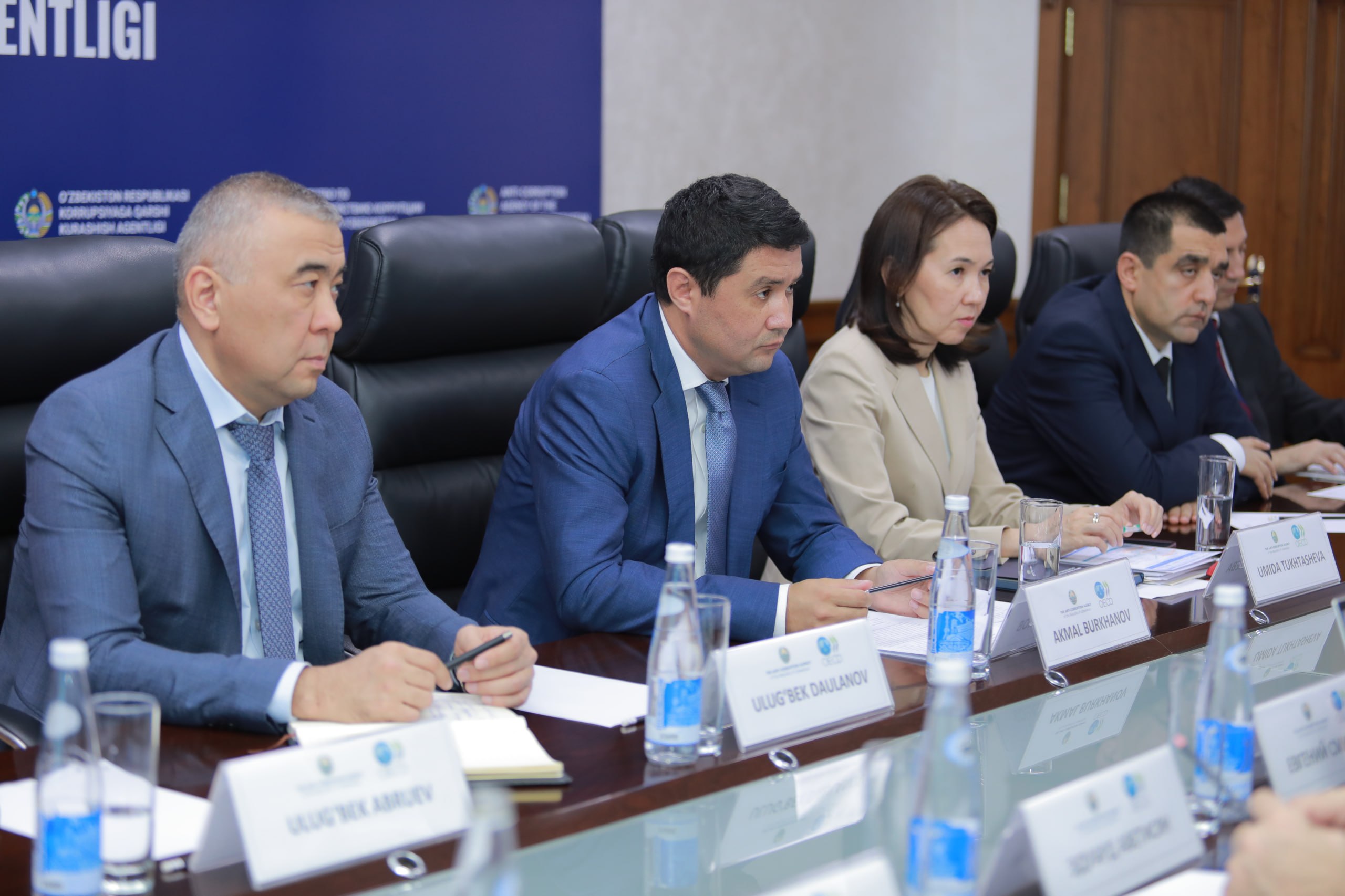
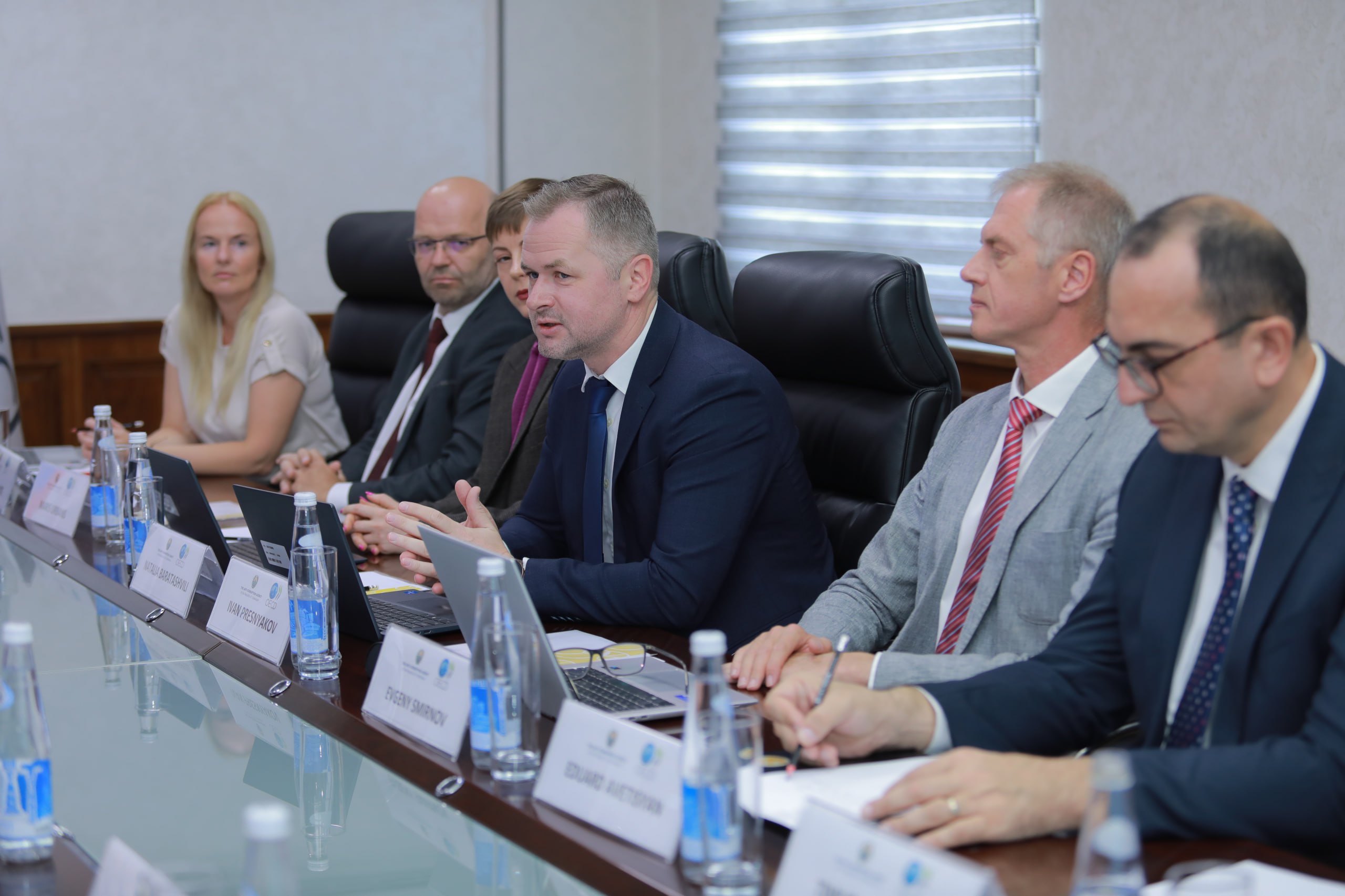
On this occasion, Director of the Anti-Corruption Agency Akmal Burkhanov received Ivan Presnyakov, Head of the OECD Secretariat's Monitoring Team. During the meeting, the parties discussed organizational arrangements aimed at ensuring the effective implementation of the current phase of the monitoring process.
The monitoring will assess Uzbekistan's progress made in 2025 across nine performance areas, including anti-corruption policy, conflict of interest and asset declaration, protection of whistleblowers, business integrity, integrity in public procurement, independence of the judiciary and prosecution service, specialized anti-corruption institutions, and liability for corruption-related offences.
The assessment will be conducted by experts from the OECD, the European Bank for Reconstruction and Development (EBRD), the Asian Development Bank (ADB), as well as experts from Ukraine, Latvia and Lithuania.
Background: The Istanbul Anti-Corruption Action Plan is a regional programme of the OECD Anti-Corruption Network for Eastern Europe and Central Asia, covering Armenia, Azerbaijan, Georgia, Kazakhstan, Kyrgyzstan, Moldova, Mongolia, Tajikistan, Ukraine and Uzbekistan. Within its framework, participating countries are regularly assessed on the implementation of the United Nations Convention against Corruption (UNCAC) and other international anti-corruption standards in national legislation and practice.
Pursuant to Presidential Decree No. PF-6013 of the Republic of Uzbekistan dated 29 June 2020, the Anti-Corruption Agency serves as the National Coordinator of the Republic of Uzbekistan for the implementation of activities under the Istanbul Anti-Corruption Action Plan and for ensuring the execution of recommendations developed following the OECD monitoring process.
As part of the monitoring programme, the OECD expert team will hold meetings and discussions with representatives of the Anti-Corruption Agency, heads and specialists of state bodies responsible for anti-corruption efforts, as well as representatives of civil society institutions and the business community.
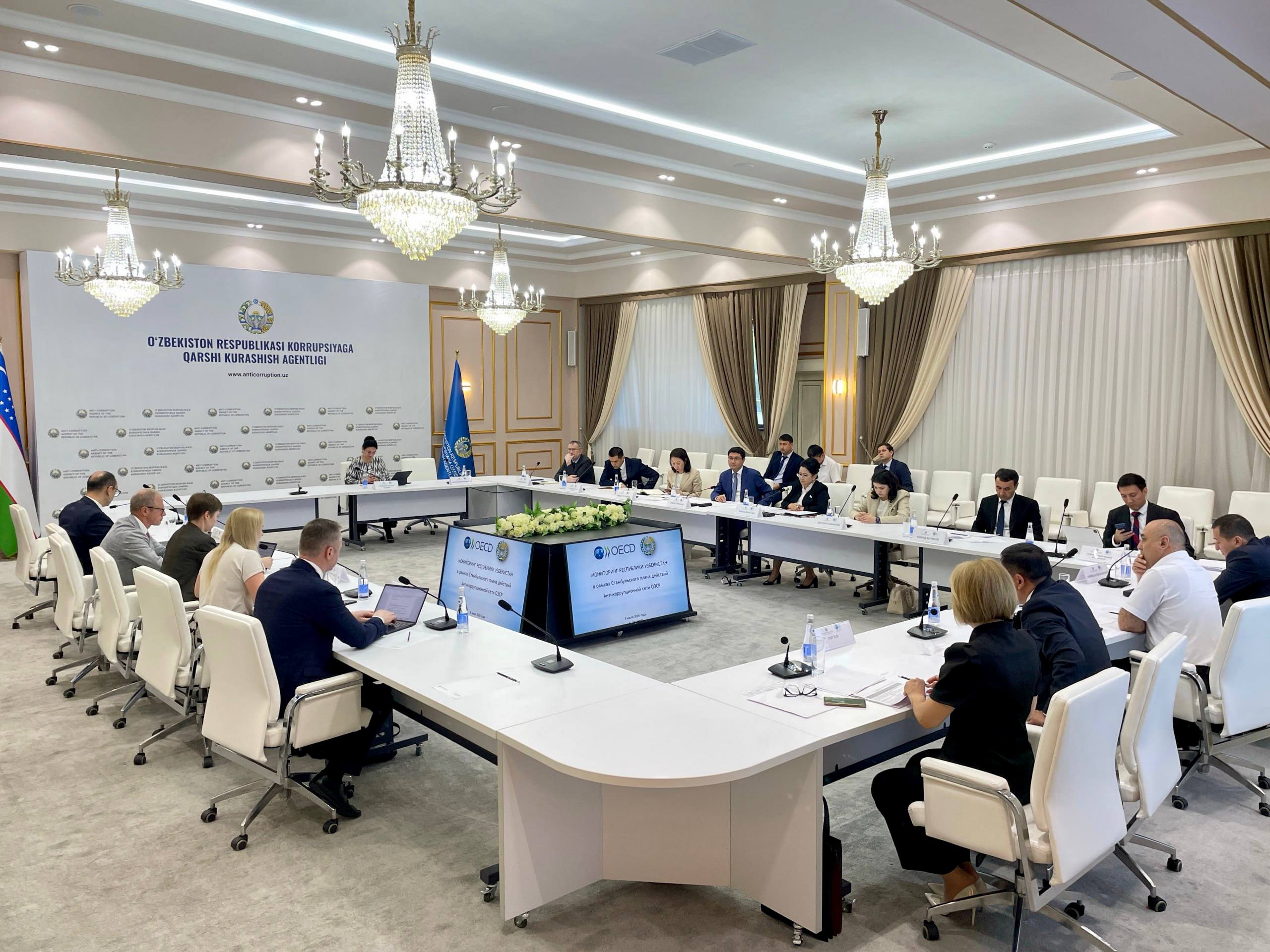
During the official opening ceremony of the monitoring activities, it was emphasized that the monitoring serves not only to assess the implementation of international commitments but also to support the further advancement of national reforms, enhance the effectiveness of anti-corruption measures, and reduce corruption risks.
Particular emphasis was placed on the fact that the 2025–2026 State Anti-Corruption Programme, the Presidential Decrees and Resolutions of the Republic of Uzbekistan aimed at further strengthening the system for preventing and combating corruption, as well as other legislative and regulatory acts, have significantly reinforced the legal and institutional foundations of the country's national anti-corruption policy.
It was also noted that, as an important milestone in the development of national legislation, the Law on Conflict of Interest was adopted, introducing legal mechanisms for the prevention, identification and regulation of conflicts of interest, establishing corresponding obligations for public officials, and defining liability measures applicable in this area.
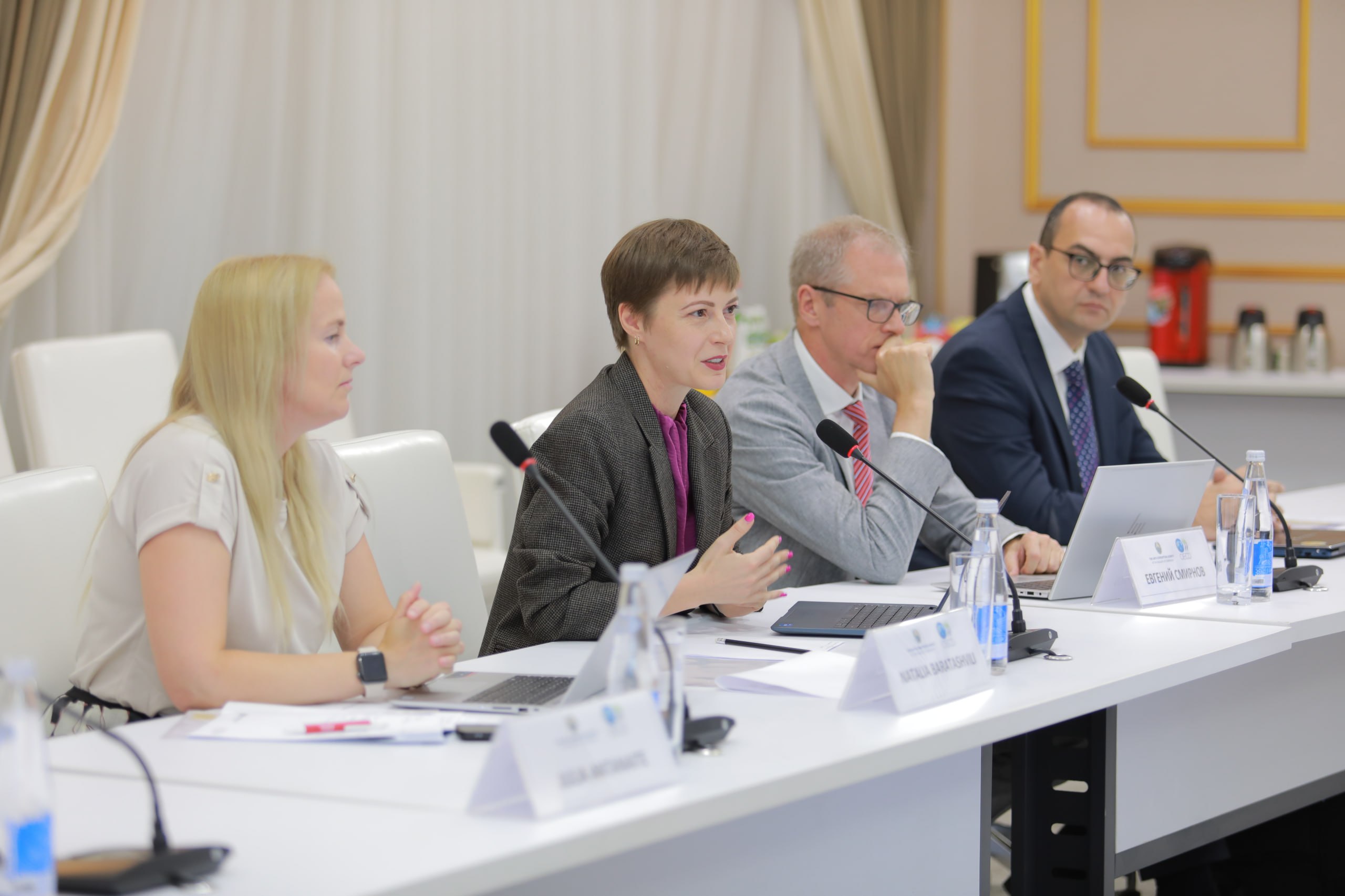
As a consistent and logical continuation of efforts to further strengthen the anti-corruption legislative framework, on 22 June 2026 the President of the Republic of Uzbekistan signed a Law aimed at enhancing the effectiveness of anti-corruption efforts and ensuring the inevitability of liability for corruption-related offences.
The Law introduces amendments and additions to three codes and five laws of the Republic of Uzbekistan. In particular, for the first time in national legislation, the legal concept of "corruption-related offences" has been formally established. The Law also provides for the establishment of an Electronic Register of Persons Convicted of Corruption-Related Offences, introduces a number of restrictions applicable to individuals included in the Register, and strengthens criminal law measures applicable to the most serious corruption-related offences.
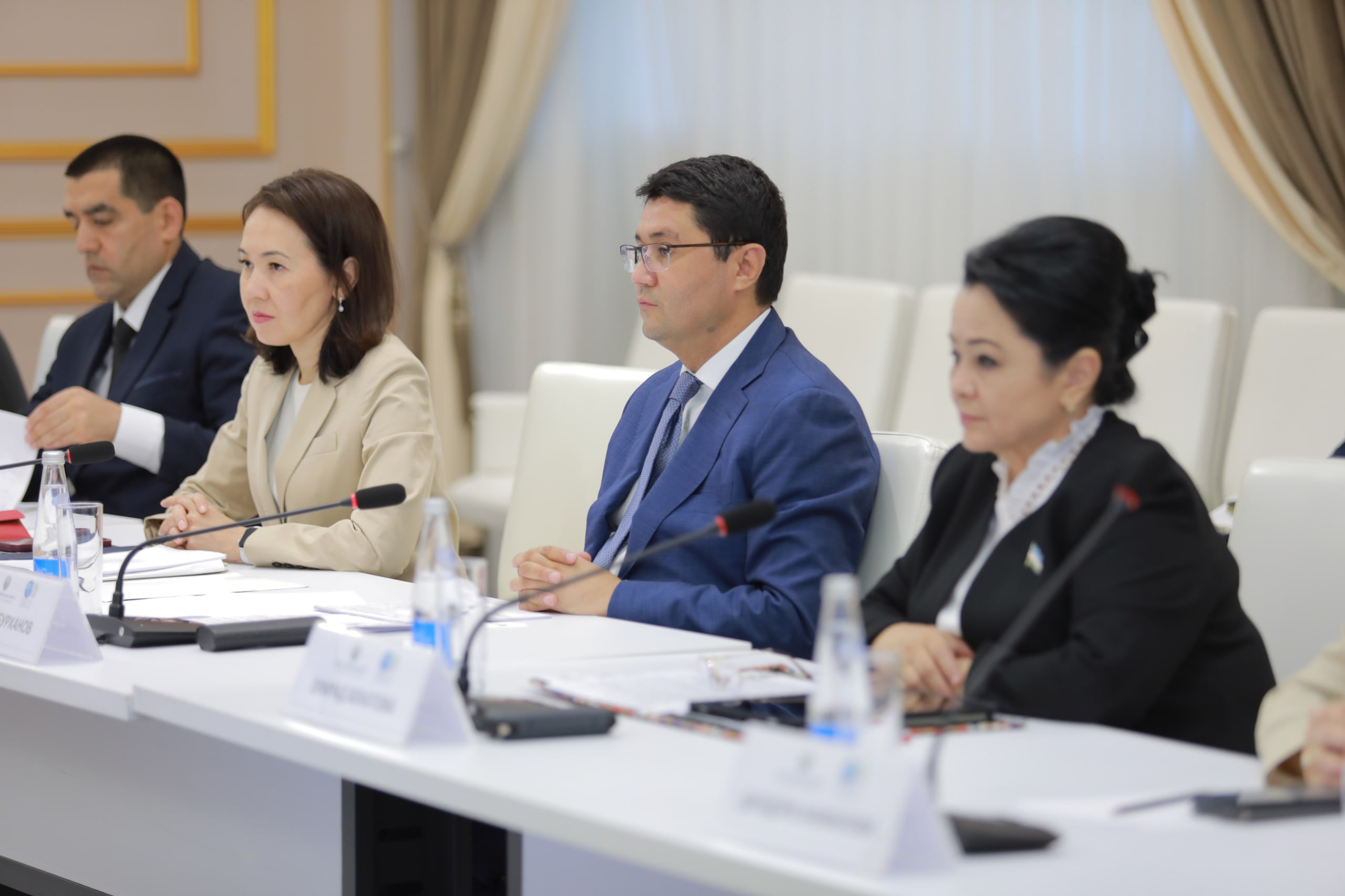
Special attention has also been given to strengthening the compliance function. The Law reinforces the legal framework governing the activities of compliance and internal anti-corruption control units, provides for their establishment across all state bodies and organizations, introduces additional safeguards to ensure the institutional independence of their personnel, and entrusts the Compliance Service of the Administration of the President of the Republic of Uzbekistan with coordinating functions.
These institutional reforms have been highly commended by international experts.
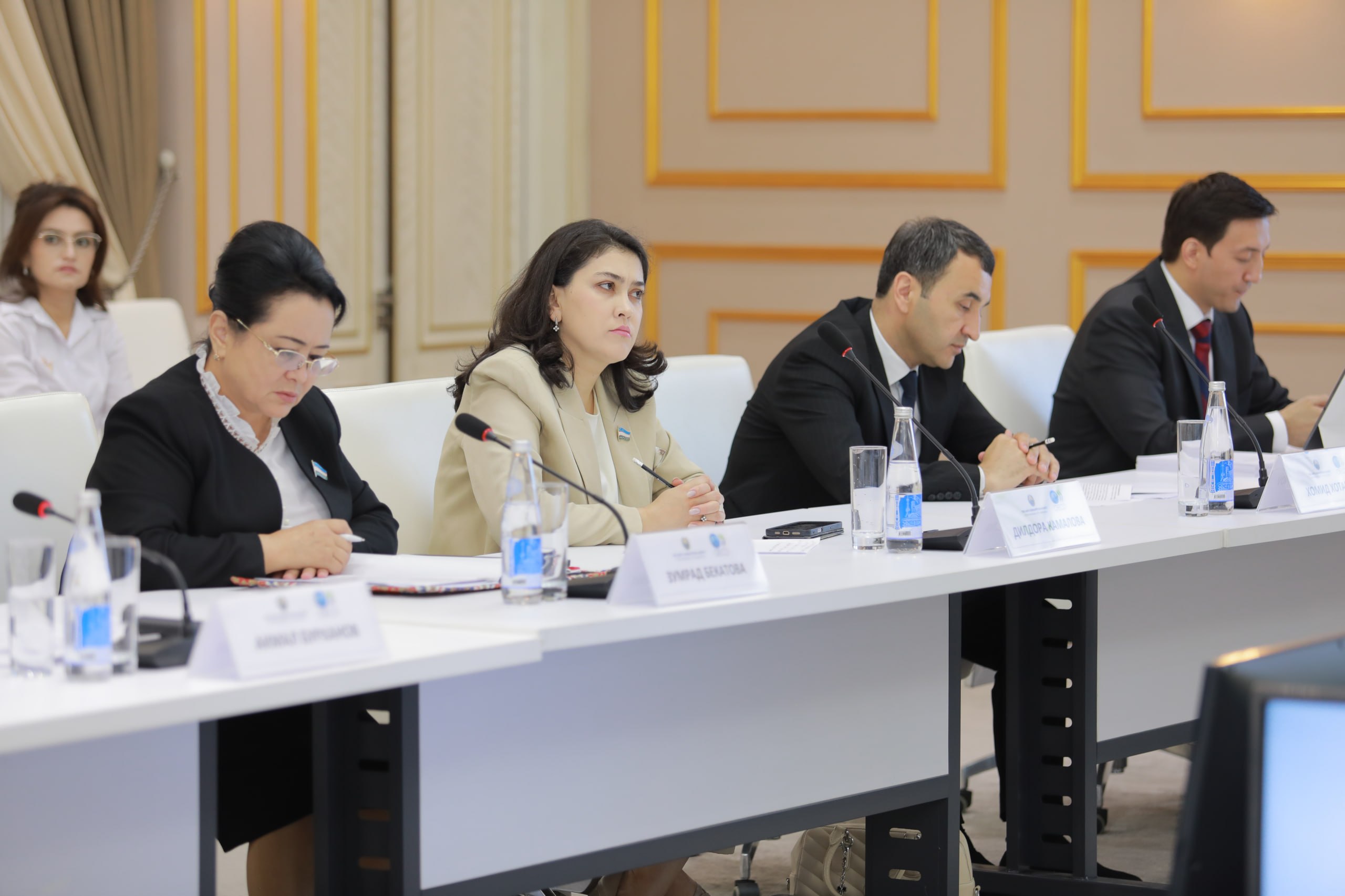
As part of the second phase of the monitoring, practical discussions and presentations will also be conducted on anti-corruption policy, conflict of interest and asset declaration, protection of whistleblowers, business integrity, integrity in public procurement, the independence of the judiciary and prosecution service, specialized anti-corruption institutions, and liability for corruption-related offences.
Upon completion of the monitoring, the expert team will formulate recommendations for Uzbekistan and proposals for further technical assistance.
Press Service
of the Anti-Corruption Agency