
A Two-Day Training Seminar Held for Officers of Internal Anti-Corruption Control Units with the Participation of International Experts
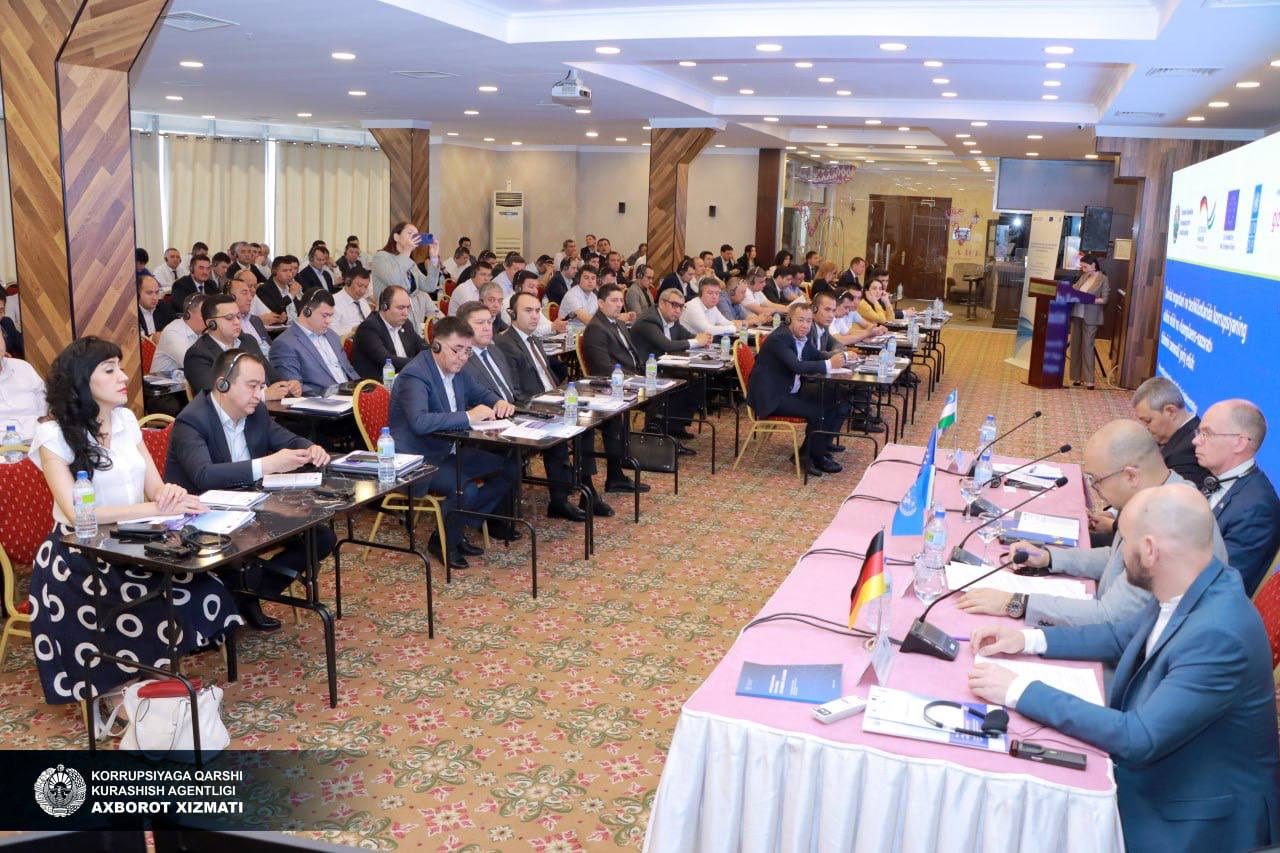
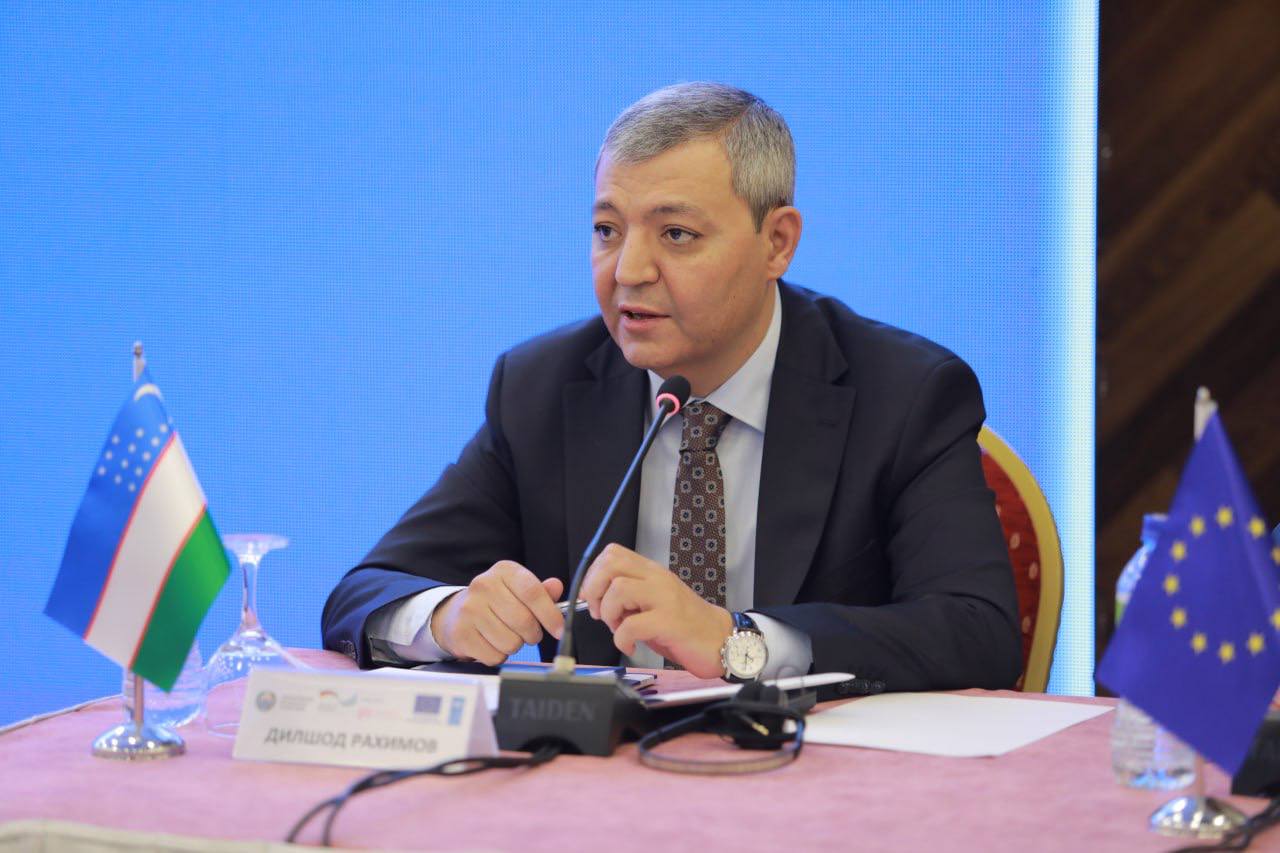
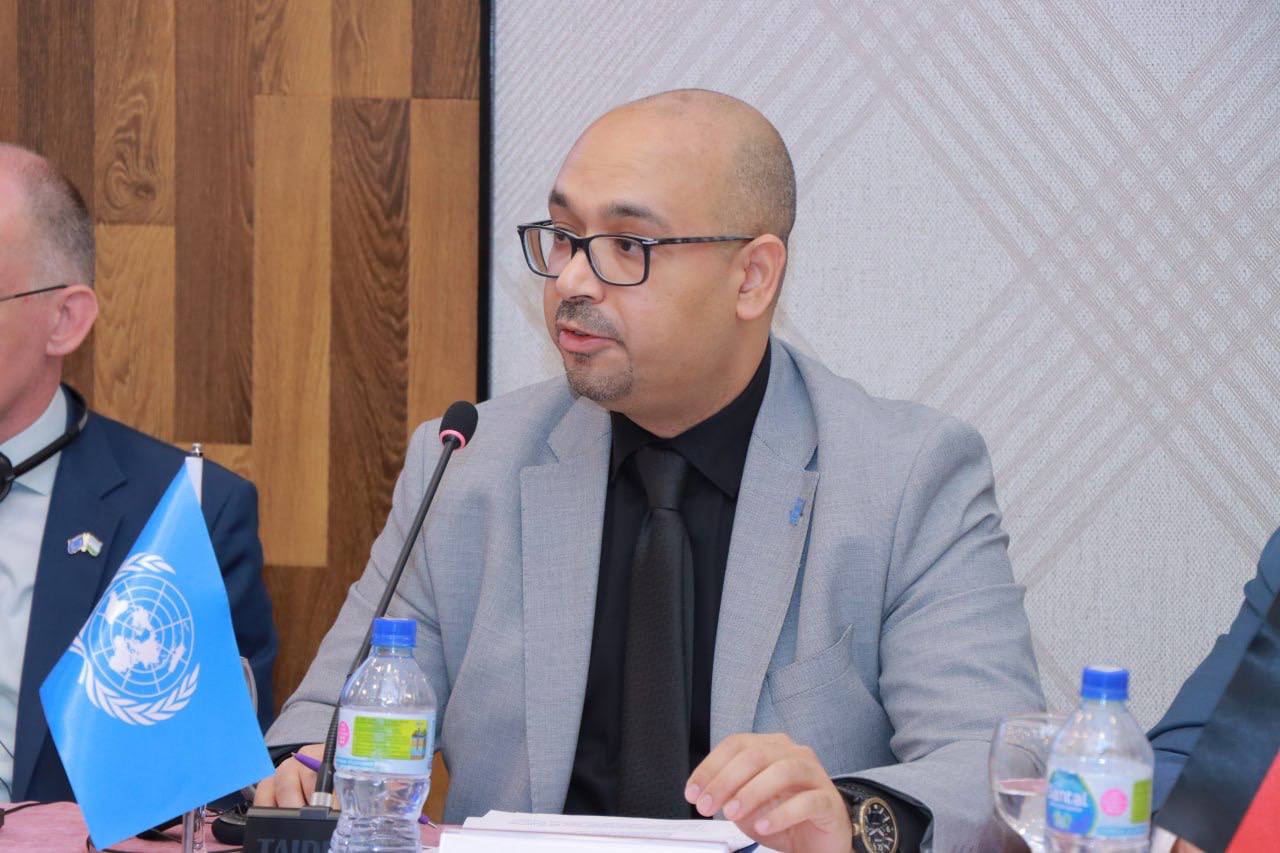
The Anti-Corruption Agency conducted May 29-30 a two-day training seminar for officers of internal anti-corruption control (compliance control) units on the topic ‘Preventing corruption in government bodies and organizations and the effective implementation of a compliance control system.’
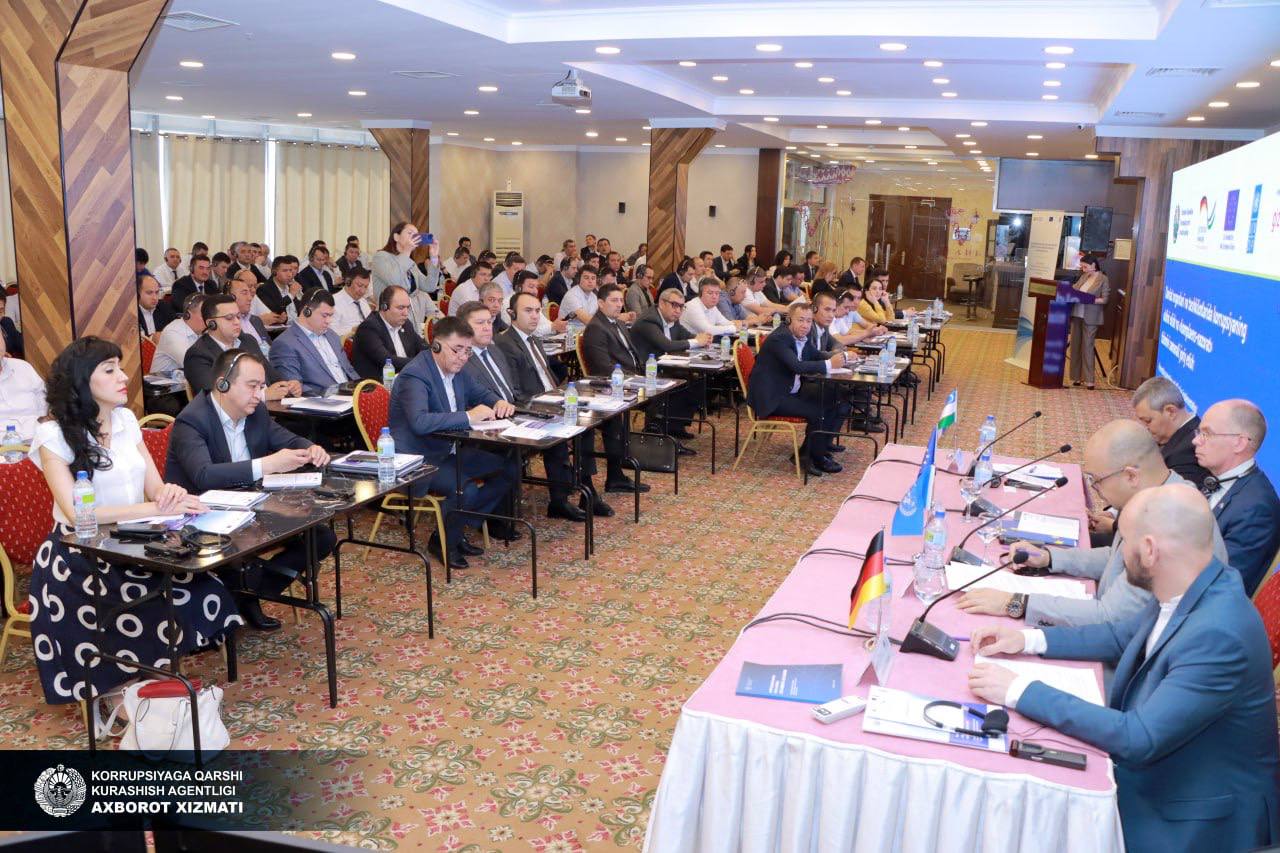
The event was organized with the financial support of the European Union and the Federal Ministry for Economic Cooperation and Development of Germany (BMZ) within the framework of the project ‘Improving Governance in Uzbekistan - Inclusive Corruption Prevention’, implemented in cooperation with GIZ, UNDP, ‘Regional Dialogue’ NGO and "Transparency International Latvia/DELNA" NGO.
This training seminar was another of the trainings organized by the Agency in order to consistently continue to provide practical support to the activities of internal anti-corruption control units, improve the knowledge and skills of officers of these structures based on best foreign practices.

At the beginning of the event, the participants discussed legal and institutional foundations of the anti-corruption system in Uzbekistan, the work carried out by the Agency on the effective implementation of the system and their results.
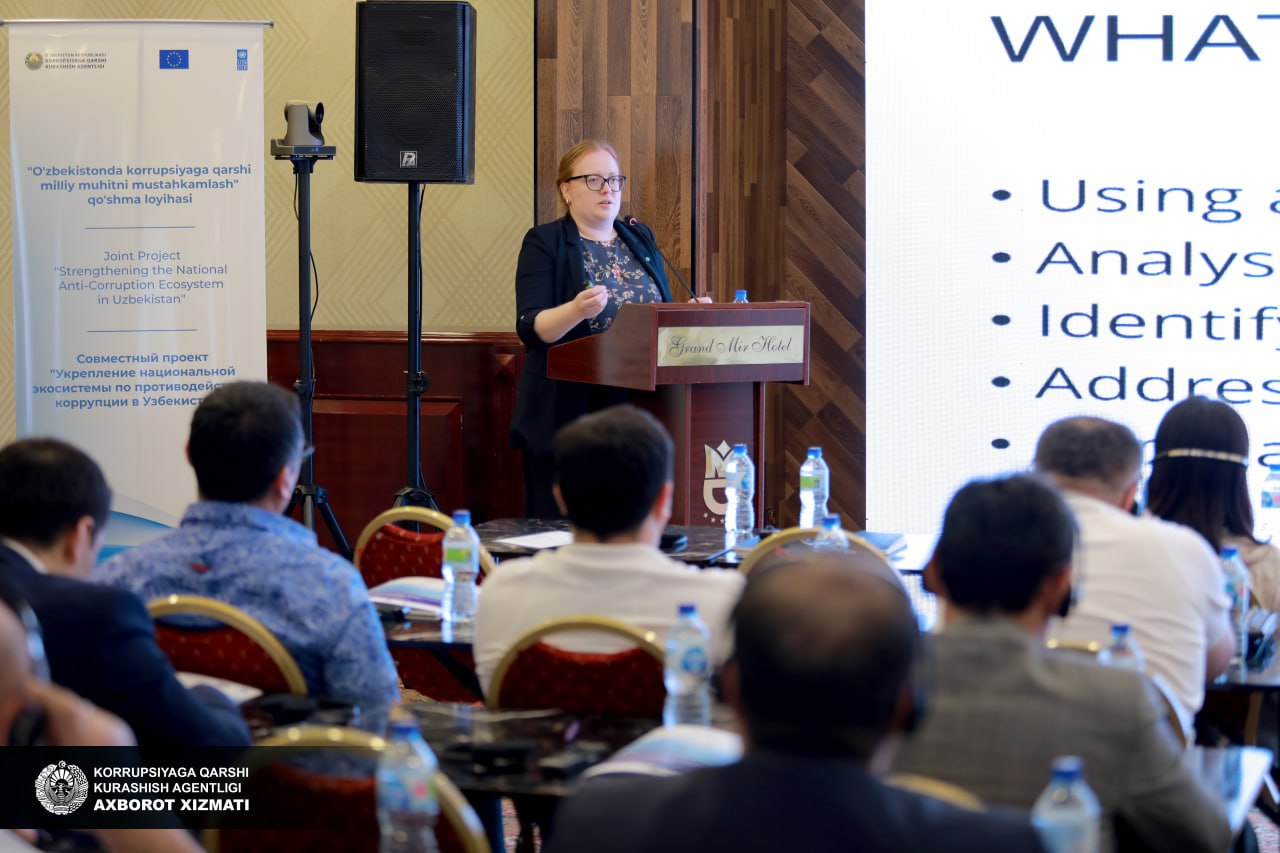
As noted, to date, internal anti-corruption control units have been established in 117 government agencies and organizations, banks and more than 100 higher educational institutions. Based on international standards, 10 departmental documents, 7 guides and methodological manuals regulating the activities of compliance control structures have been published and applied to the activities of organizations. More than 50 government bodies and organizations have received ISO 37001:2016 Anti-Corruption Management System certificate.
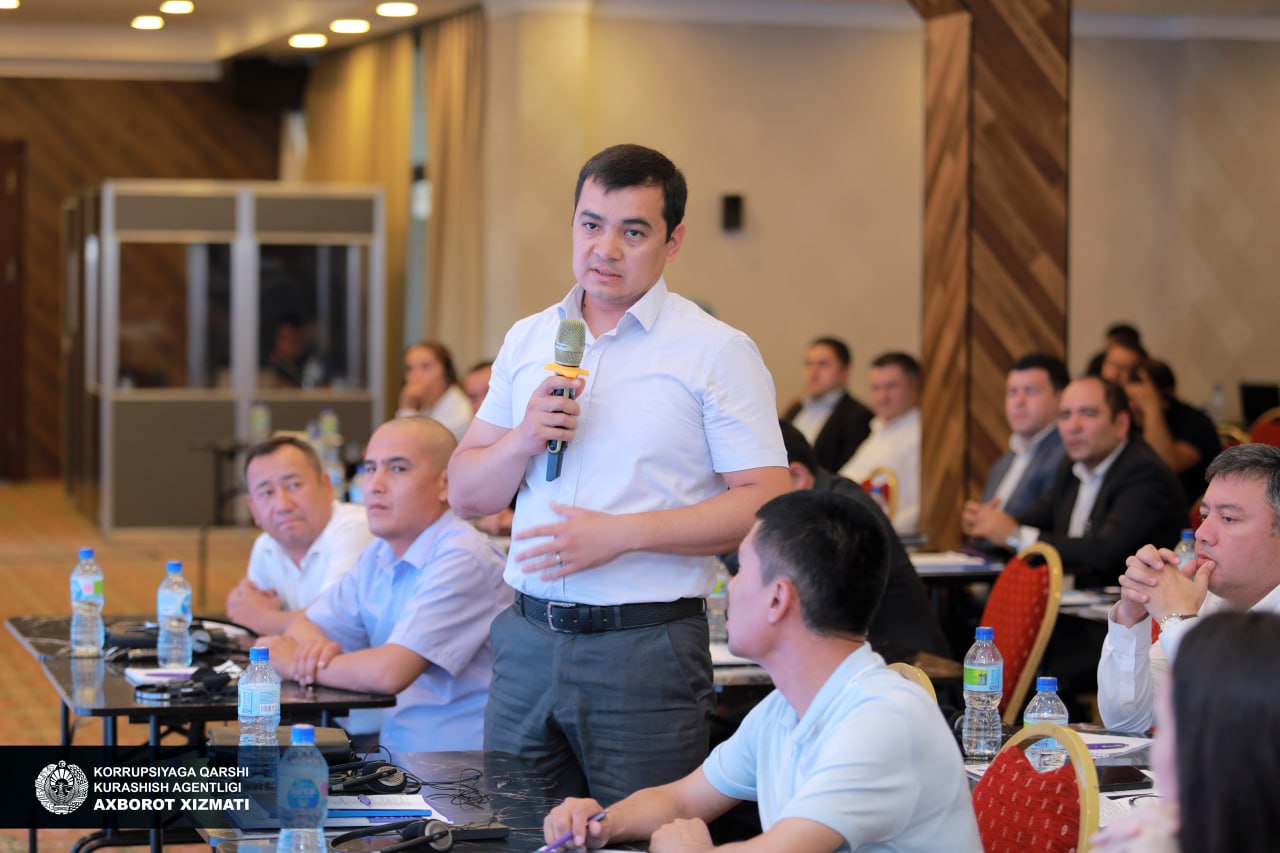
According to the relevant resolutions of the head of state, 24 organizations in 2022, 62 organizations in 2023 and 95 organizations this year underwent an assessment of the effectiveness of anti-corruption work. In 39 organizations in 2023 and in 93 organizations this year, corruption risks were identified, and the results of assessment procedures were made available to the public. In addition, E-antikorrupsiya project was launched, and the Corruption Risk Map of 93 organizations, the Event Program and the Electronic Register of Corruption-Prone Relationships are posted on E-Anticor.uz electronic platform.
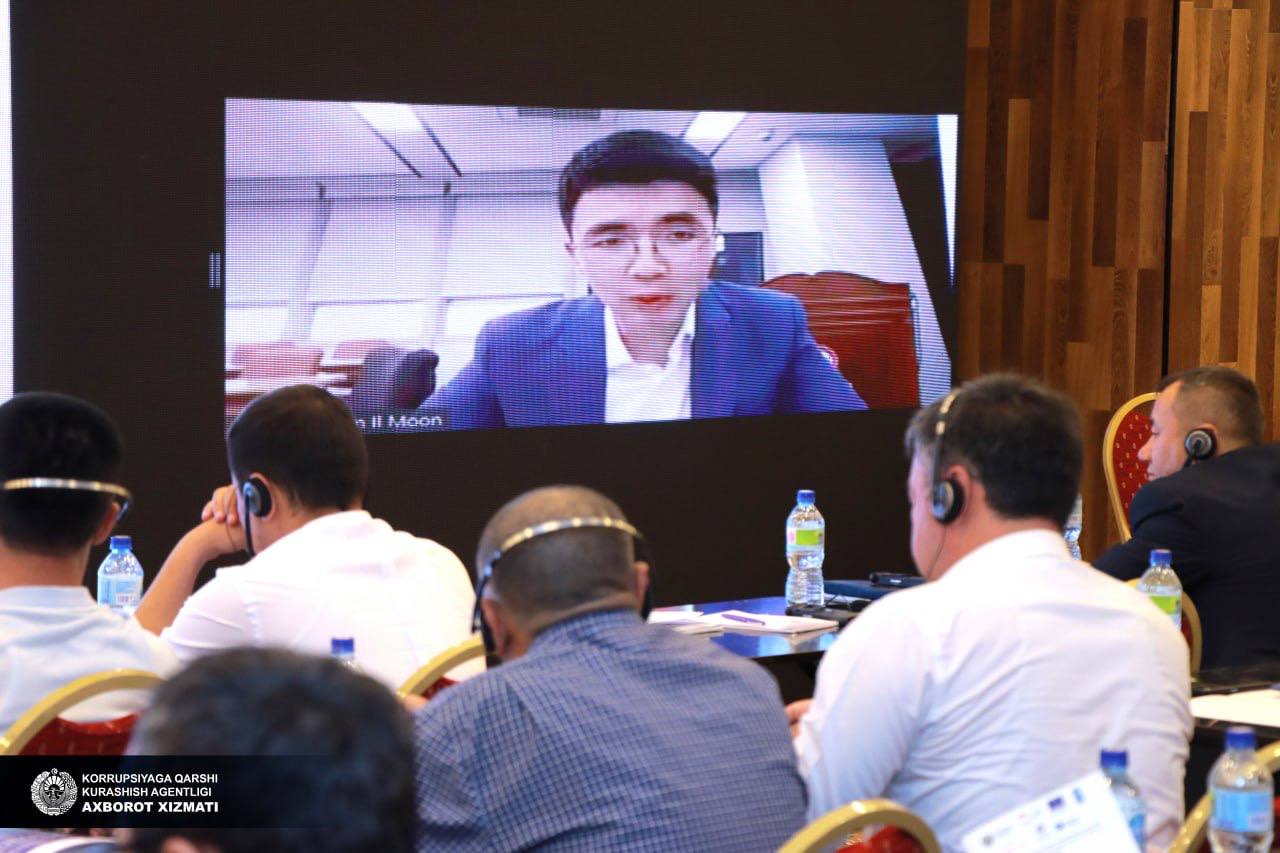
On the first day of the seminar, along with the measures implemented in our country, international standards and best practices for implementing a system of internal anti-corruption control in the activities of government agencies and the private sector were reviewed using examples from South Korea, Malaysia, Germany and Slovenia.
Also, the organizers presented the results of an analysis of indicators on e-antiсor.uz platform and rating criteria, as well as the experience of government organizations that showed “good” results in anti-corruption performance rating.
On the second day of the seminar, the INGO Regional Dialogue expert and the Anti-Corruption Agency officers made presentations on the experience of Uzbekistan and foreign countries in identifying, assessing and reducing corruption risks.
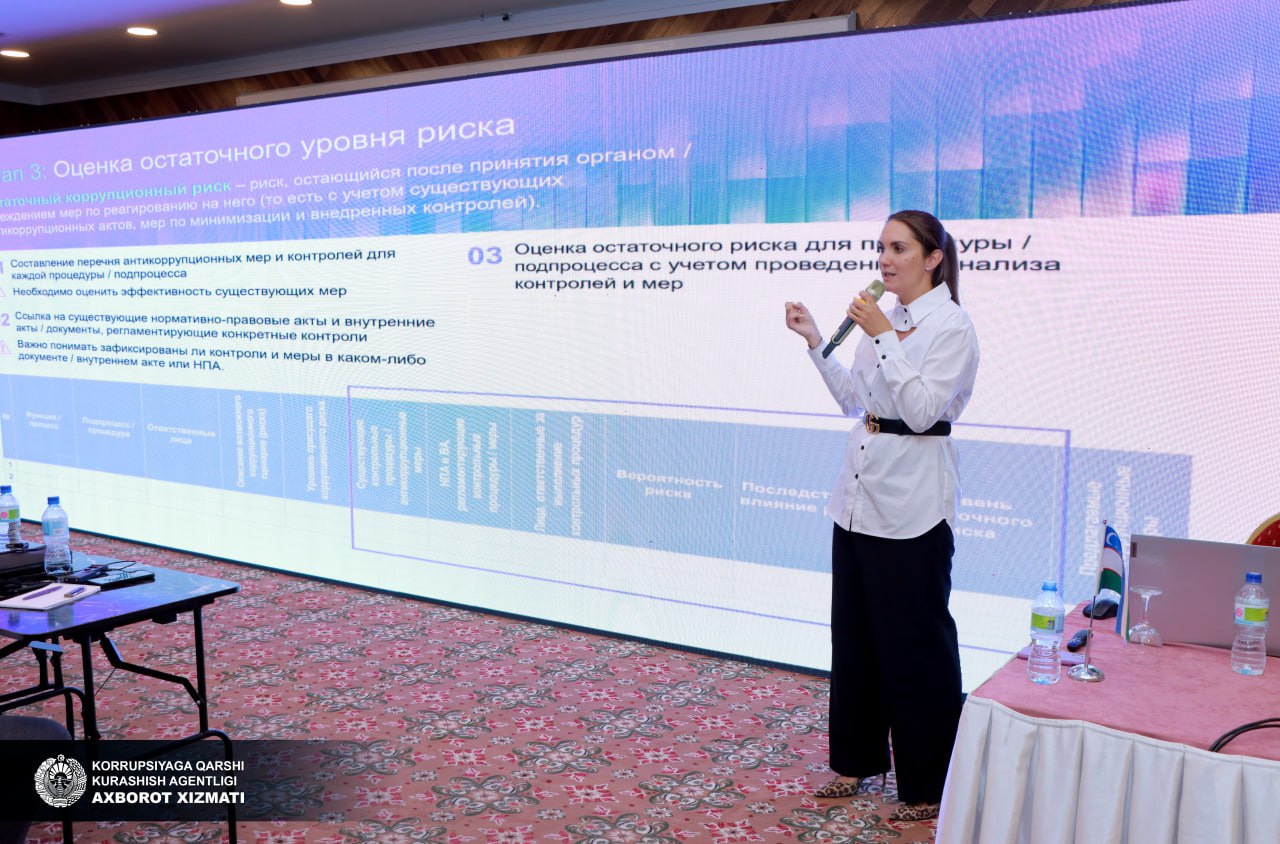
The seminar participants also made focus on the activities of the Accounts Chamber in preventing corruption in government organizations and targeted spending of budget funds. The issue was considered using the example of 12 ministries.
A master class was also held on assessing corruption risks in government bodies and organizations with the participation of an international expert.
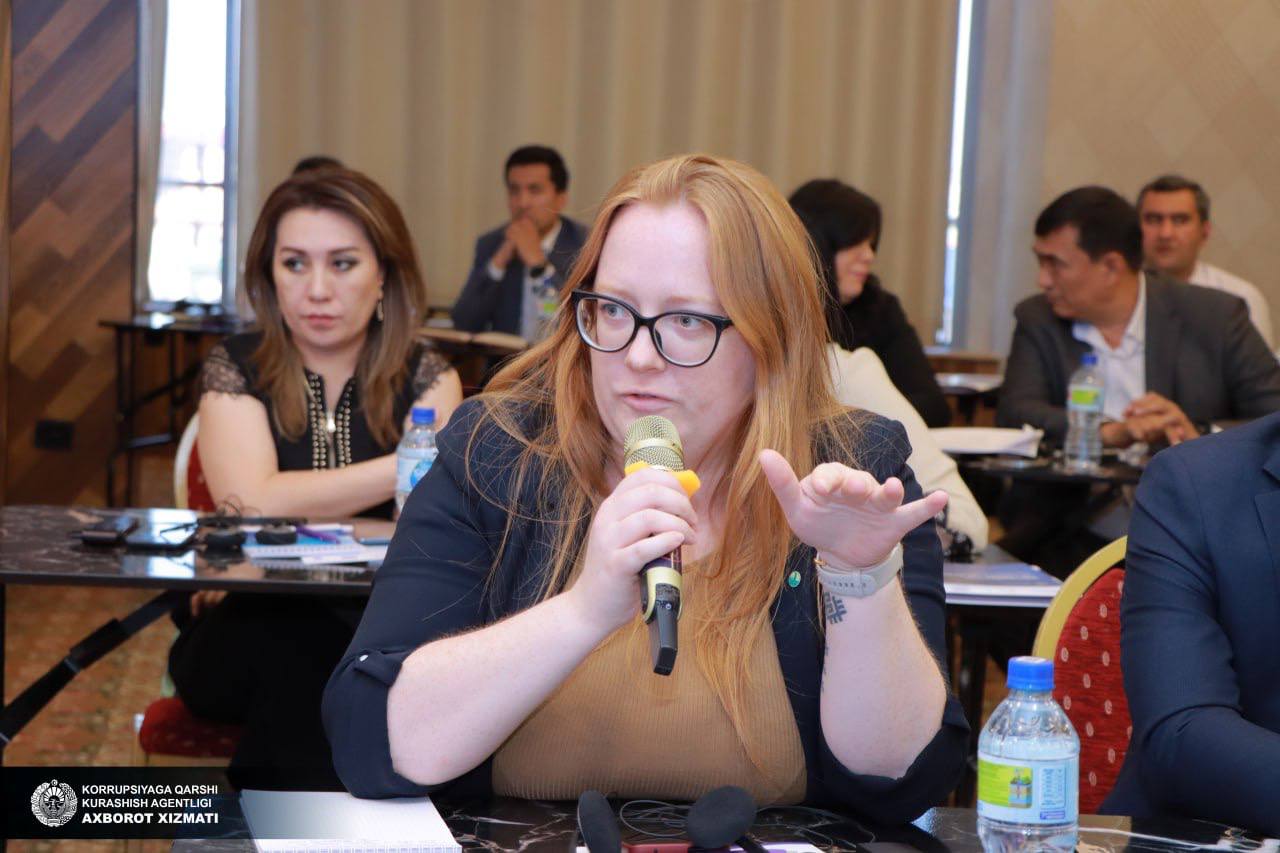
As part of the event, presentation was made of a practical guide ‘Internal Anti-Corruption Control: 100 Answers to 100 Questions’, prepared by the Agency for officers of internal anti-corruption control units. This guide had been prepared in the format of answers to questions related to the organization of the compliance control structure, the system for assessing the effectiveness of anti-corruption work, identifying and assessing corruption risks in the activities of government bodies and organizations.
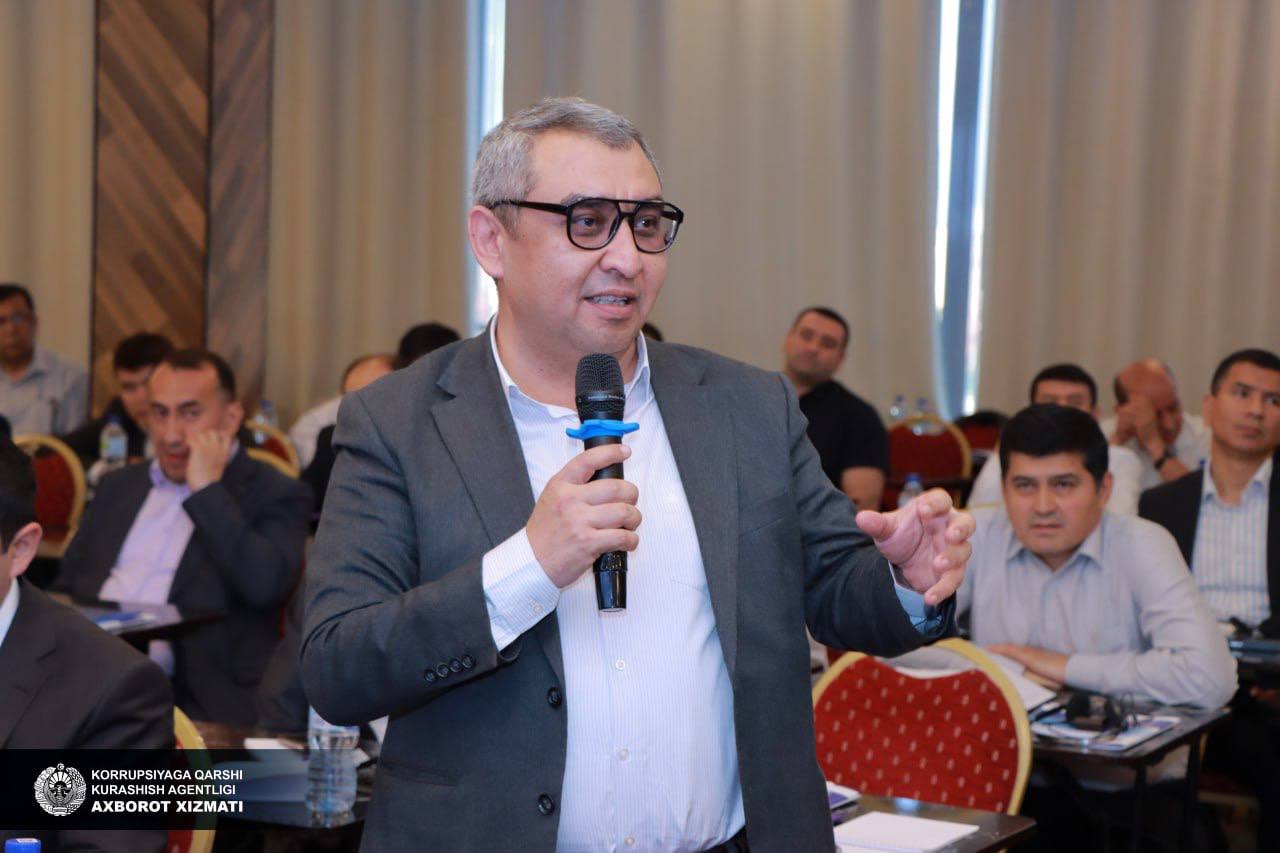
As part of the training seminar, an open dialogue was organized for the participants with officers of the Agency about the current tasks and priority areas of activity of the compliance control structures. Particularly, they discussed problems arising from the effective implementation of the internal anti-corruption control system, errors and shortcomings in the implementation of regulations governing activities.
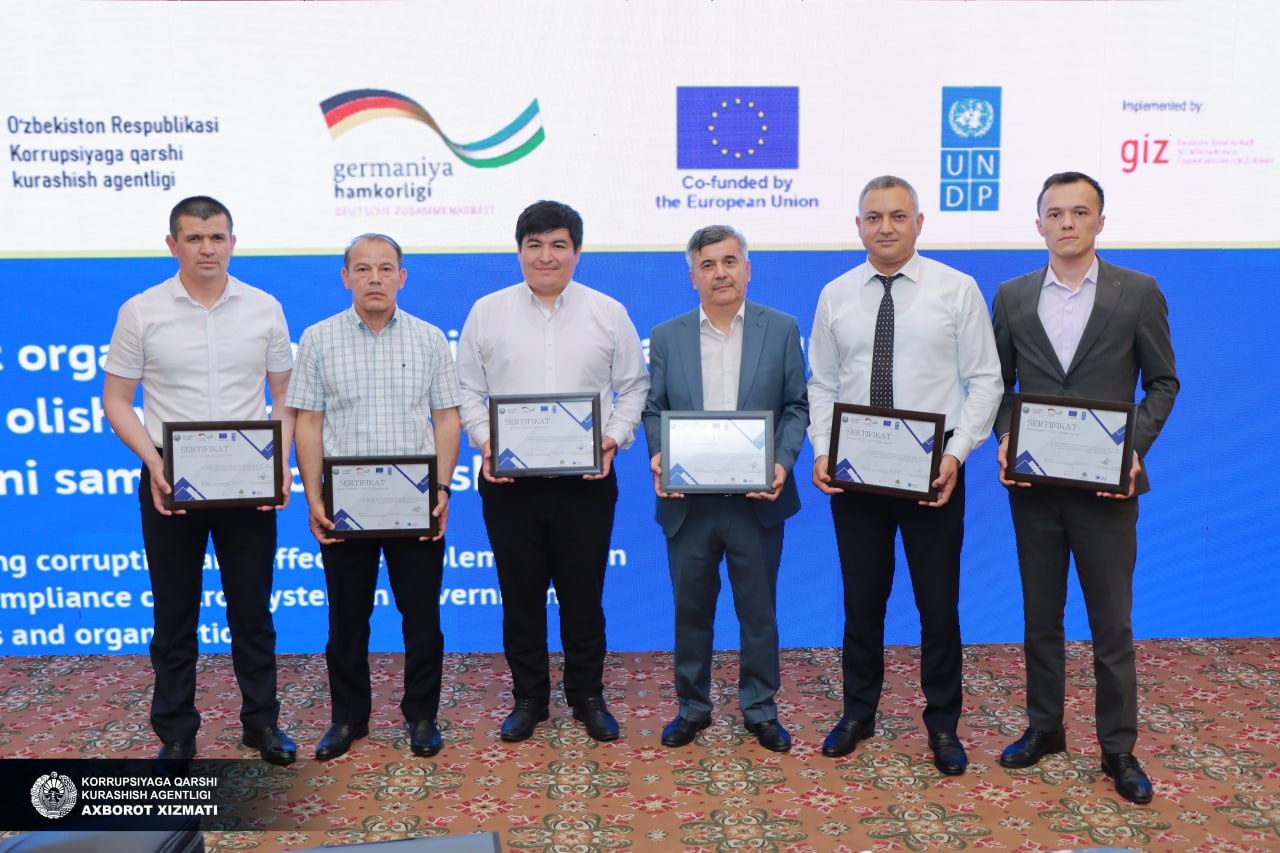
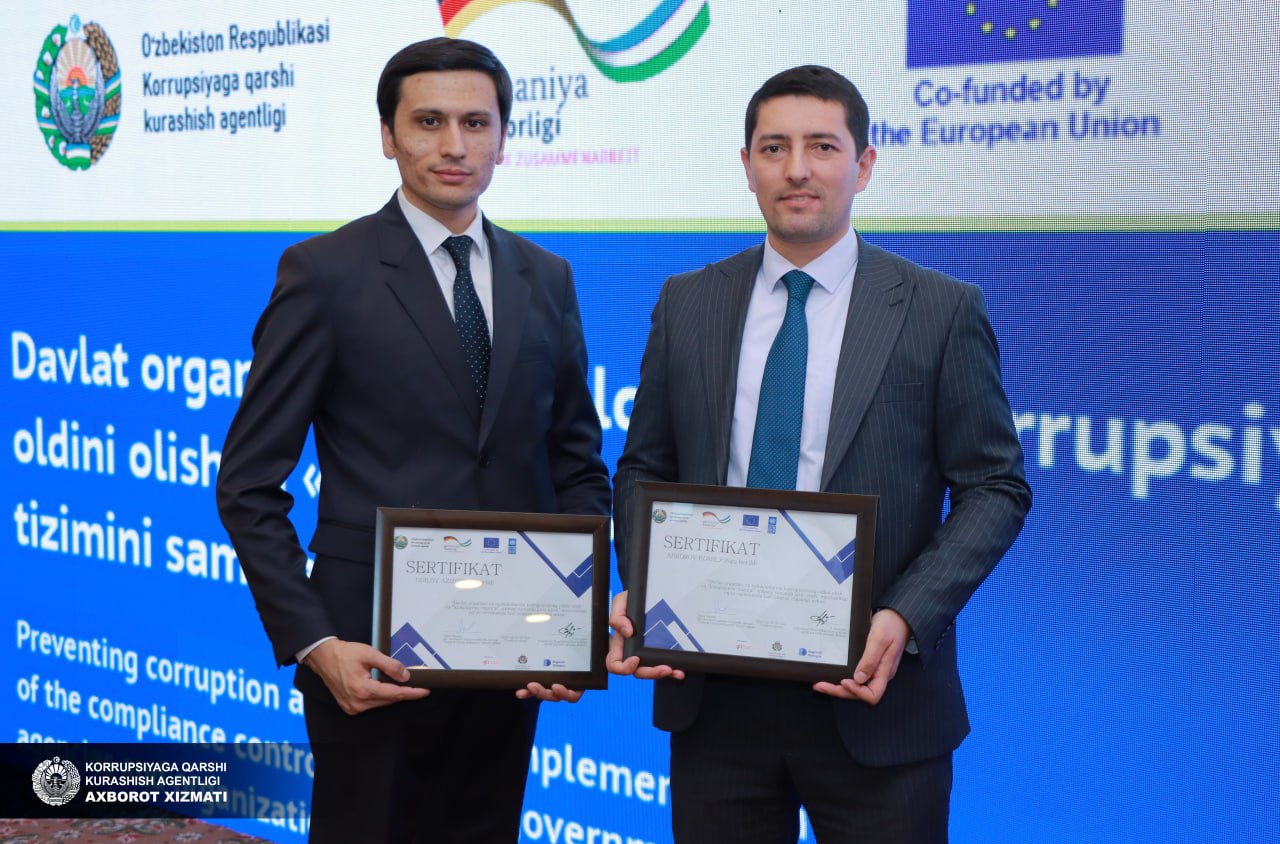
Following the seminar, participants received certificates of participation.
Press Office
The Anti-Corruption Agency