O'zbek
 Ўзбек
Ўзбек
 Русский


 Accessibility



Implementation of the Program to Transform Sharof Rashidov District into a “Corruption-Free” Zone Reviewed
A working group led by Akmal Burkhanov, Director of the Anti-Corruption Agency, studied the implementation of the program of measures to transform the Sharof Rashidov district into a “corruption-free zone.”
During the review, primary attention was focused on the digitalization of government agencies' activities, the reduction of the human factor, and ensuring openness and transparency in personnel policy.
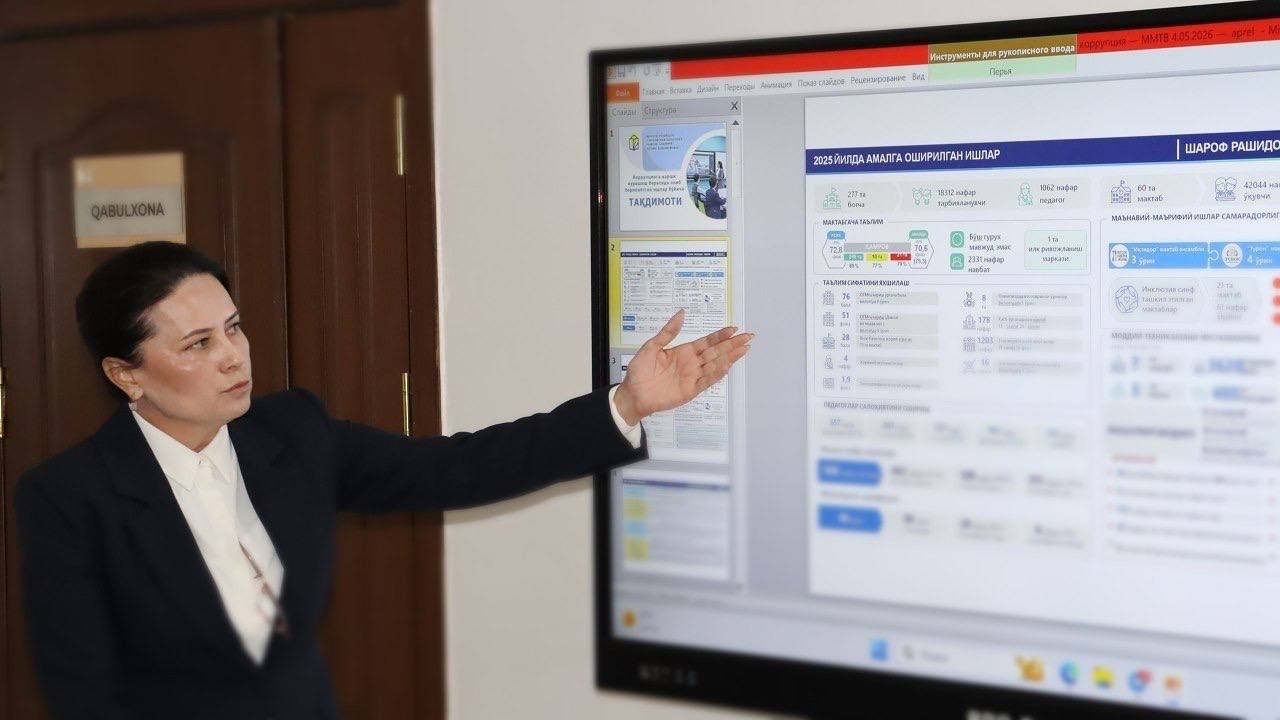
The district department of preschool and school education has introduced the “EduTrack” information system to reduce the human factor in the process of lesson distribution. Information regarding job vacancies is regularly published through relevant electronic platforms. Senior officials continuously enhance their knowledge and skills at the Virtual Anti-Corruption Academy.
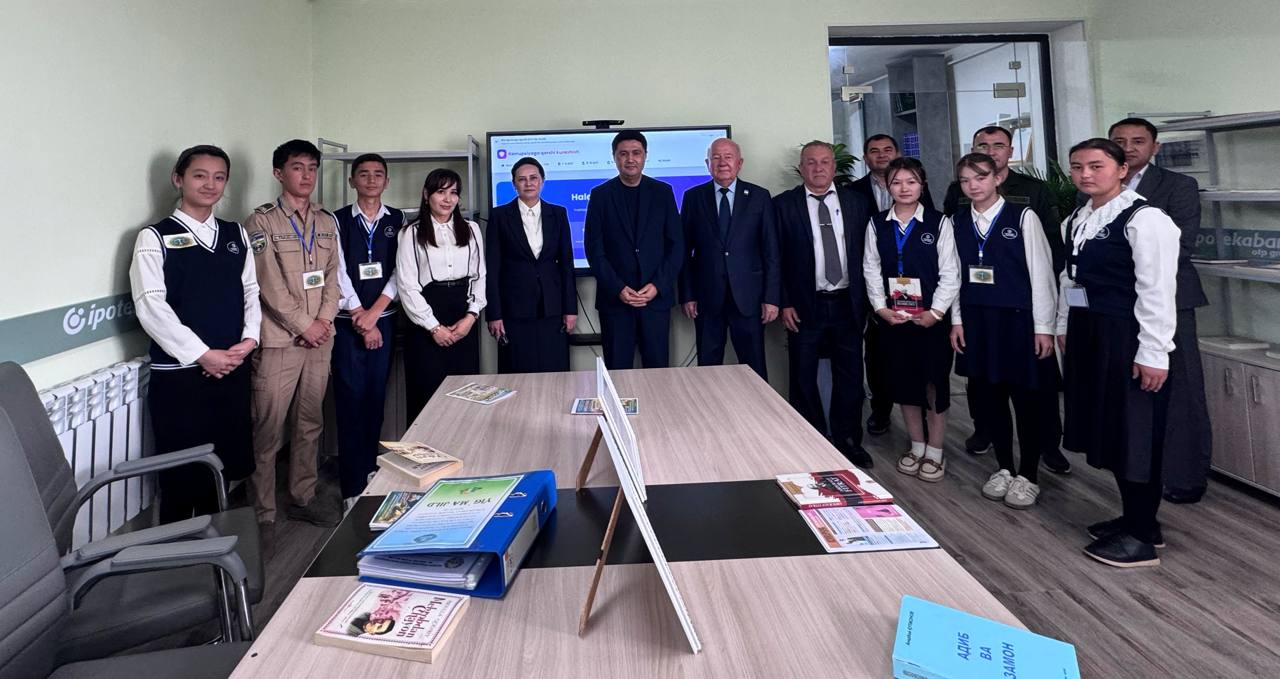
According to the findings of the working group at secondary school No. 32, the “GRACE” program is being consistently integrated into the educational process. In particular, the “lib-edu.uz” digital library system has been introduced in the school library.
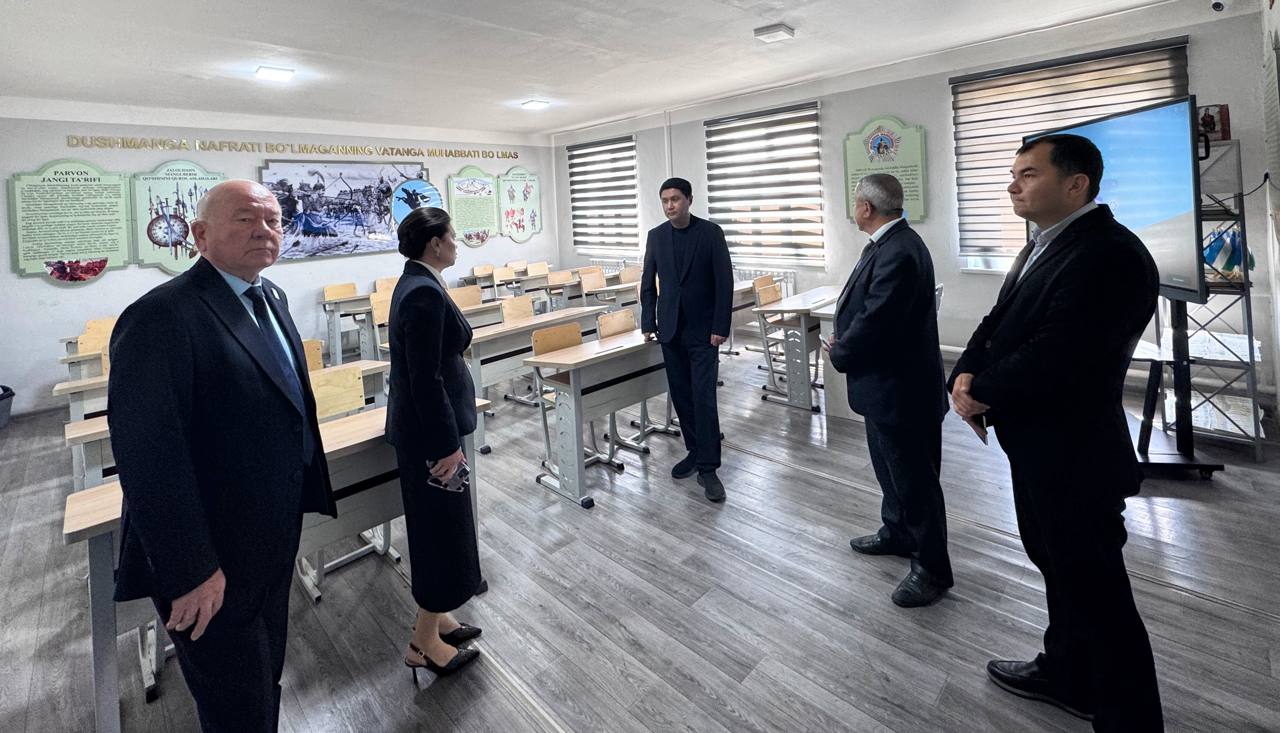
However, deficiencies were identified in the implementation of certain tasks within the program at preschool educational institution No. 29. Specifically, it was noted that the hot meal preparation service had not been transferred to an outsourcing system, and video surveillance cameras had not been installed on the premises.
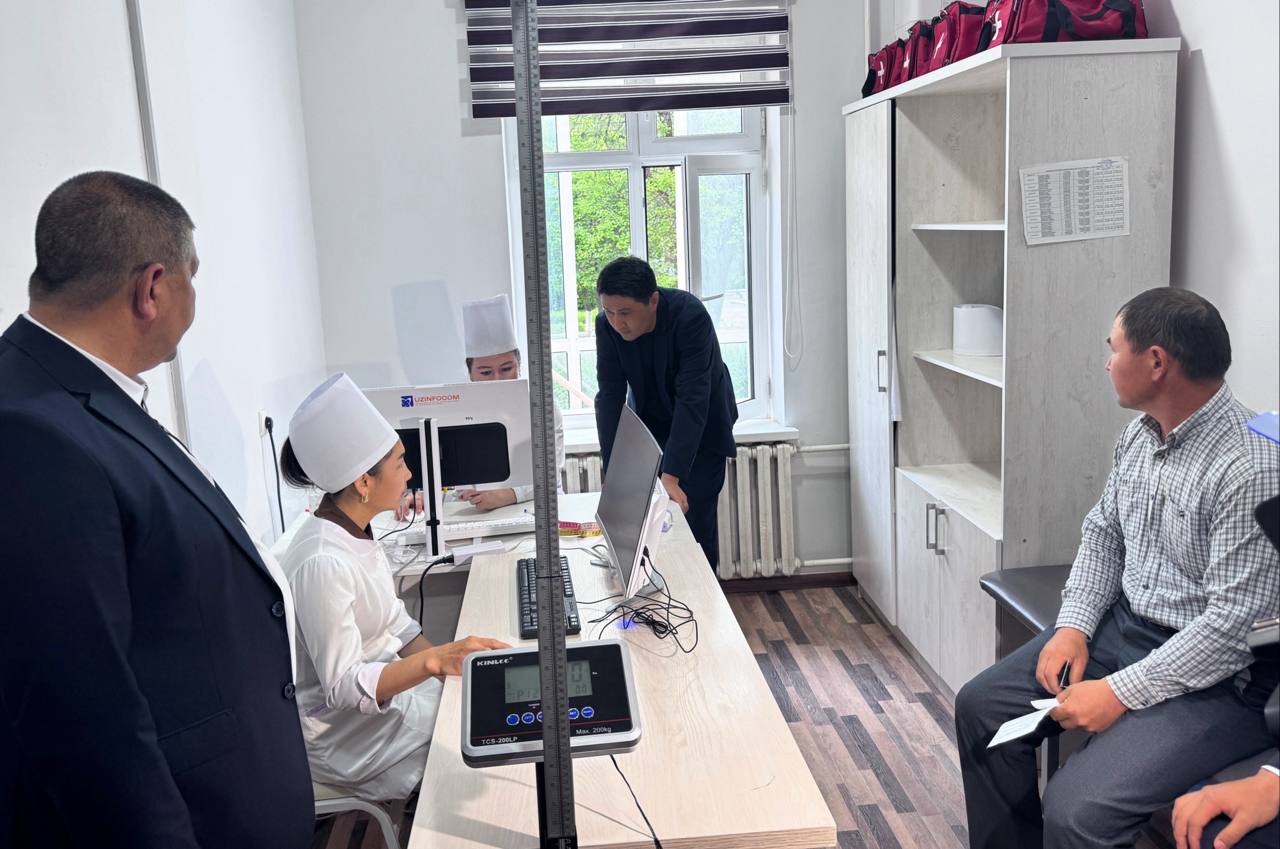
As part of the program's implementation, 19 management staff members who had been working in the district medical association system for more than 5 years were rotated. Currently, citizen reception is conducted electronically, and services are provided through the “DMED” information system.
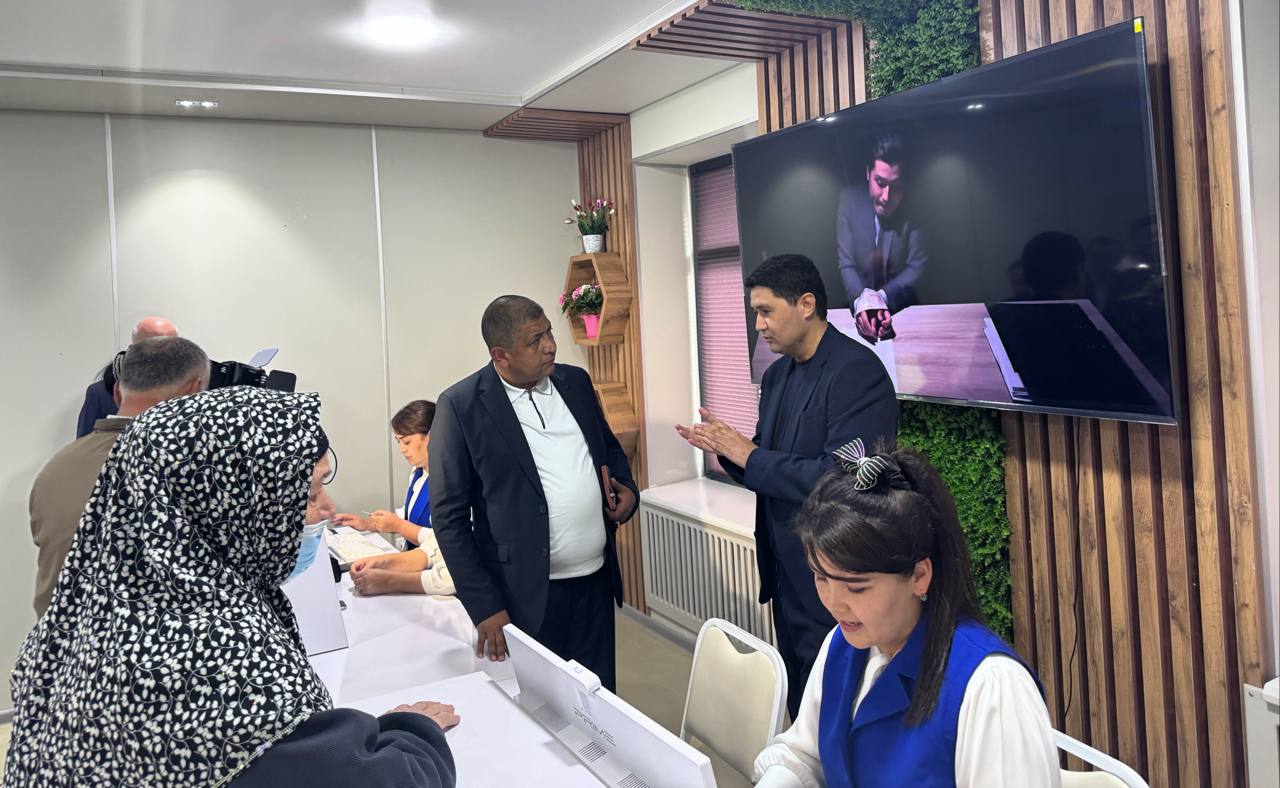
Furthermore, a video surveillance system and a situational center have been established at the institution and its subordinate facilities. Anti-corruption promotion is conducted via monitors.
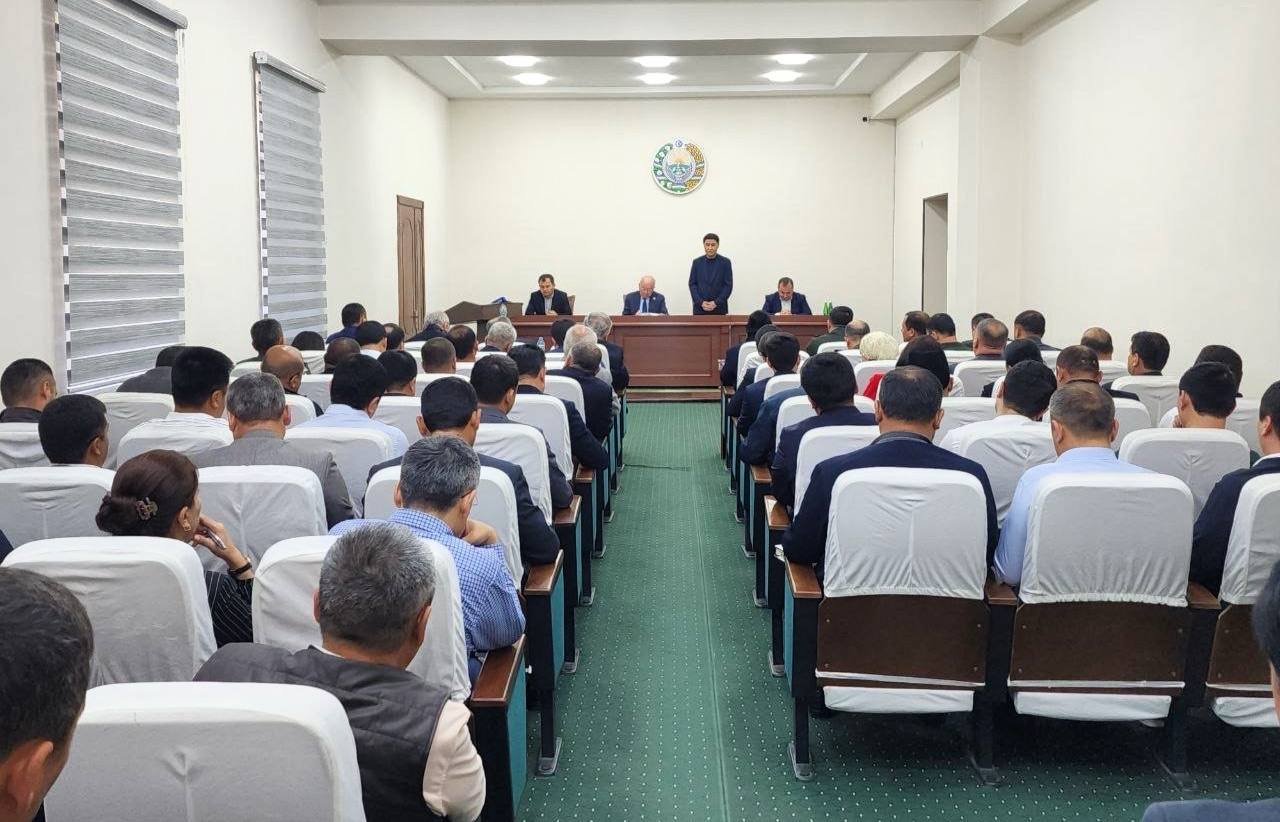
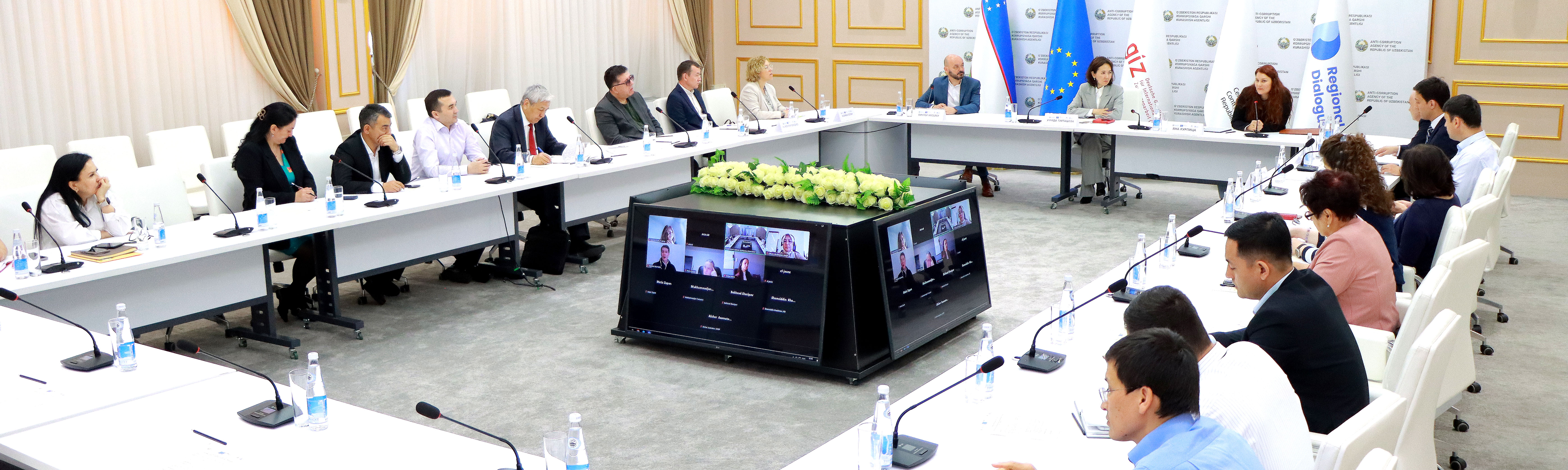
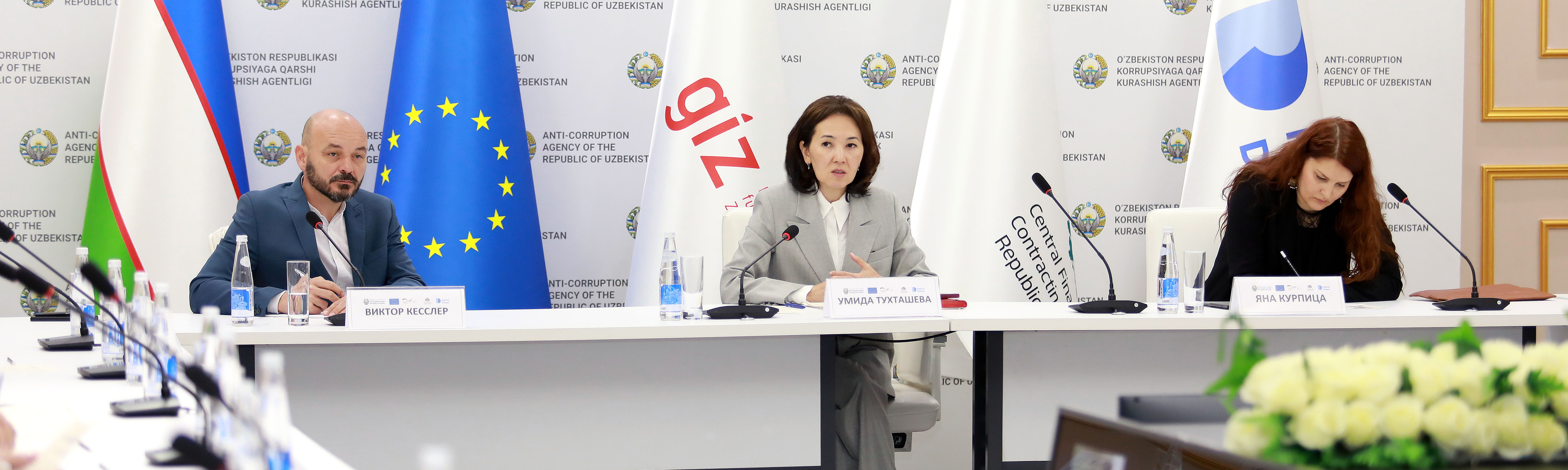
The results of the review and critical issues related to the program's implementation were discussed in a session attended by the Director of the Agency and members of the Territorial Anti-Corruption Council.
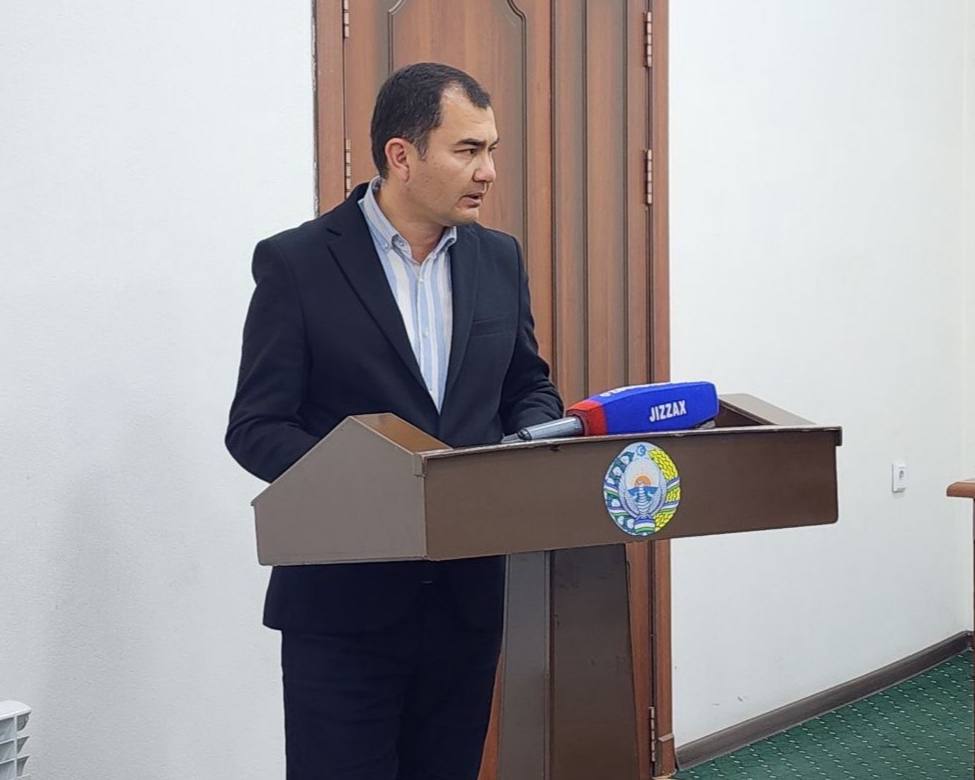
During the discussion, reports from responsible officials on the work performed and the results achieved were heard.
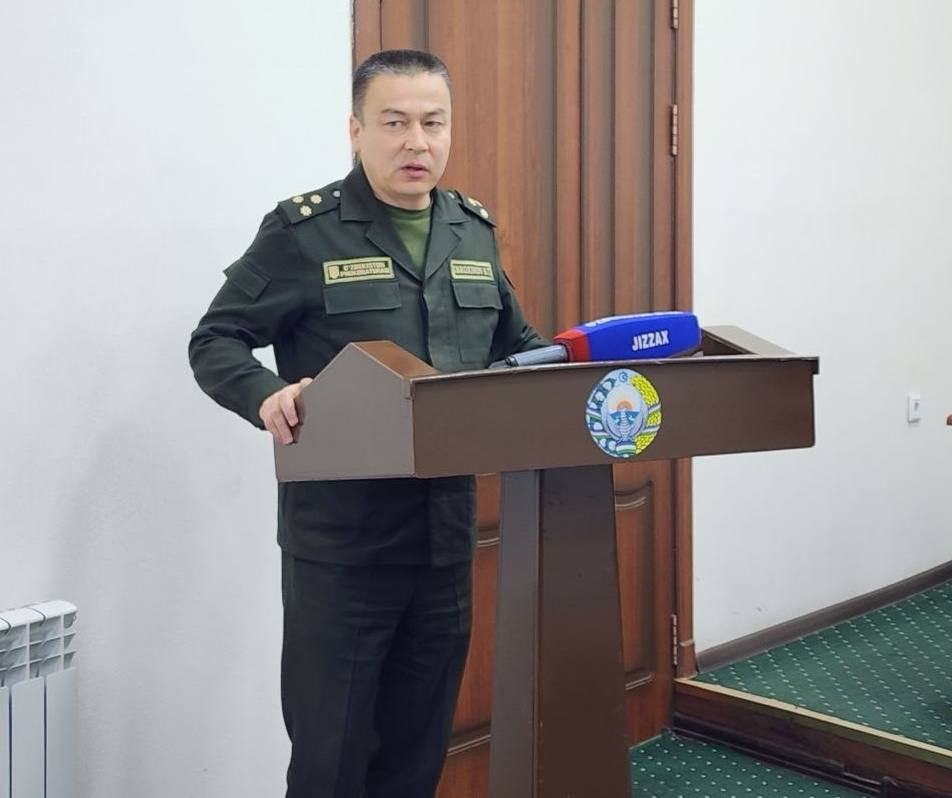
At the conclusion of the meeting, relevant instructions were issued to eliminate the identified deficiencies and to strengthen personal responsibility and oversight over the implementation of each item in the program.
Information Service
Anti-Corruption Agency
 10.04.2026