
The Second National Anti-Corruption Report Is Reviewed in the Senate
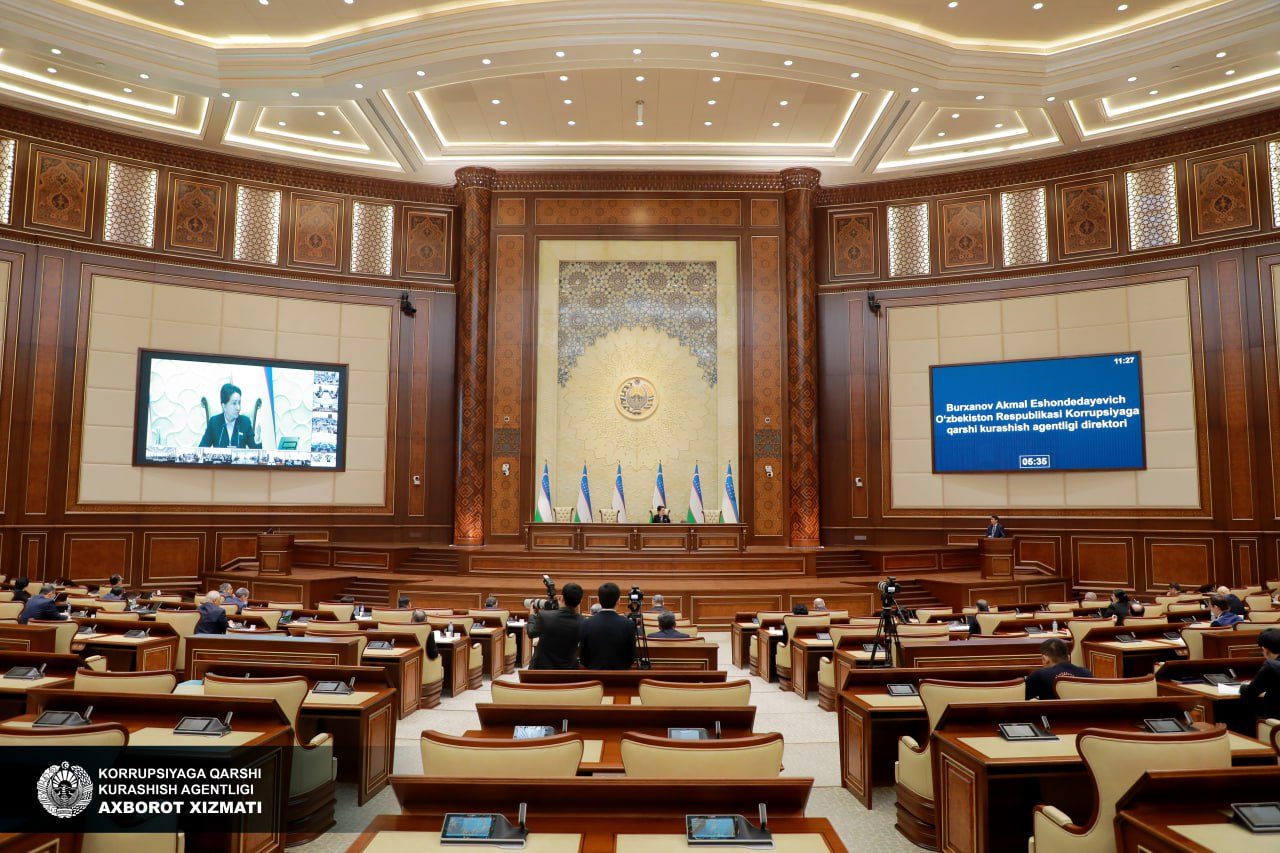
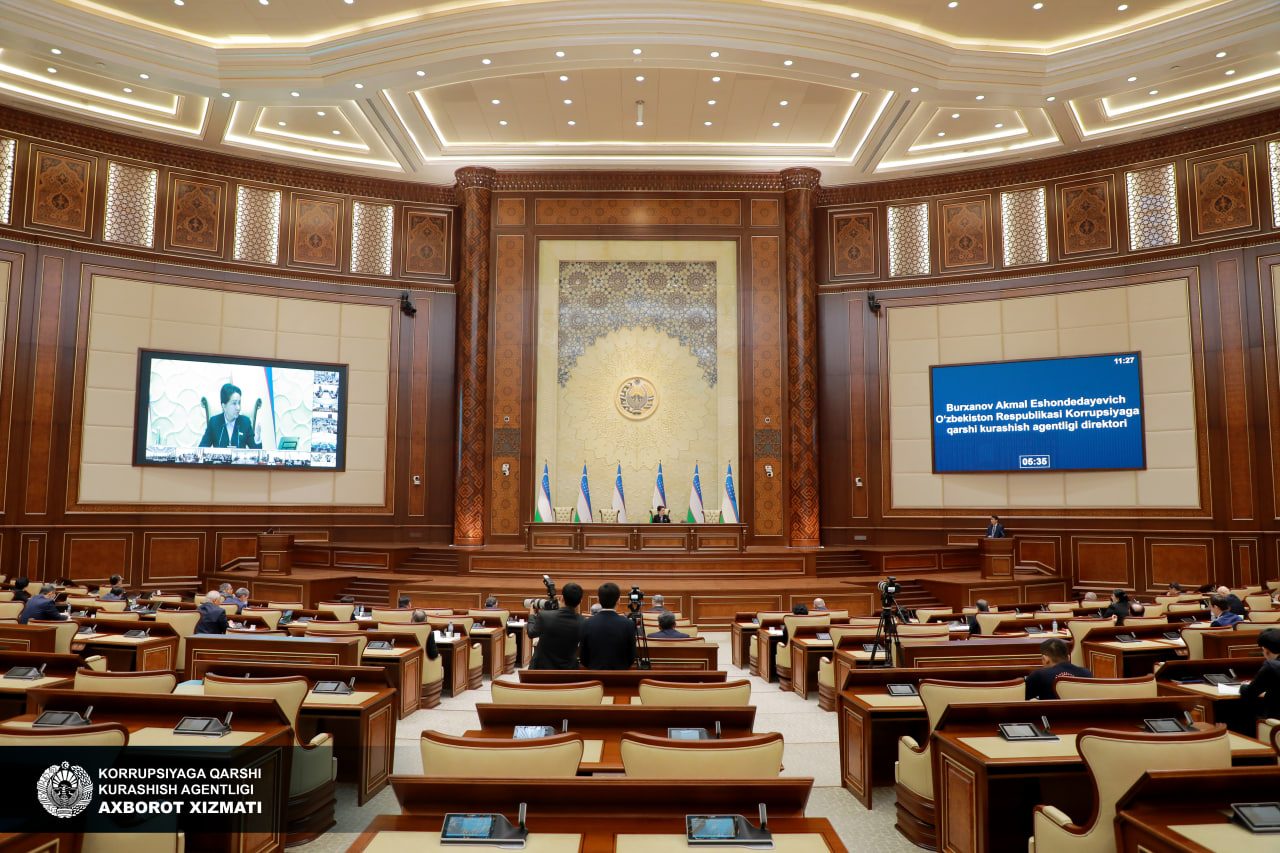
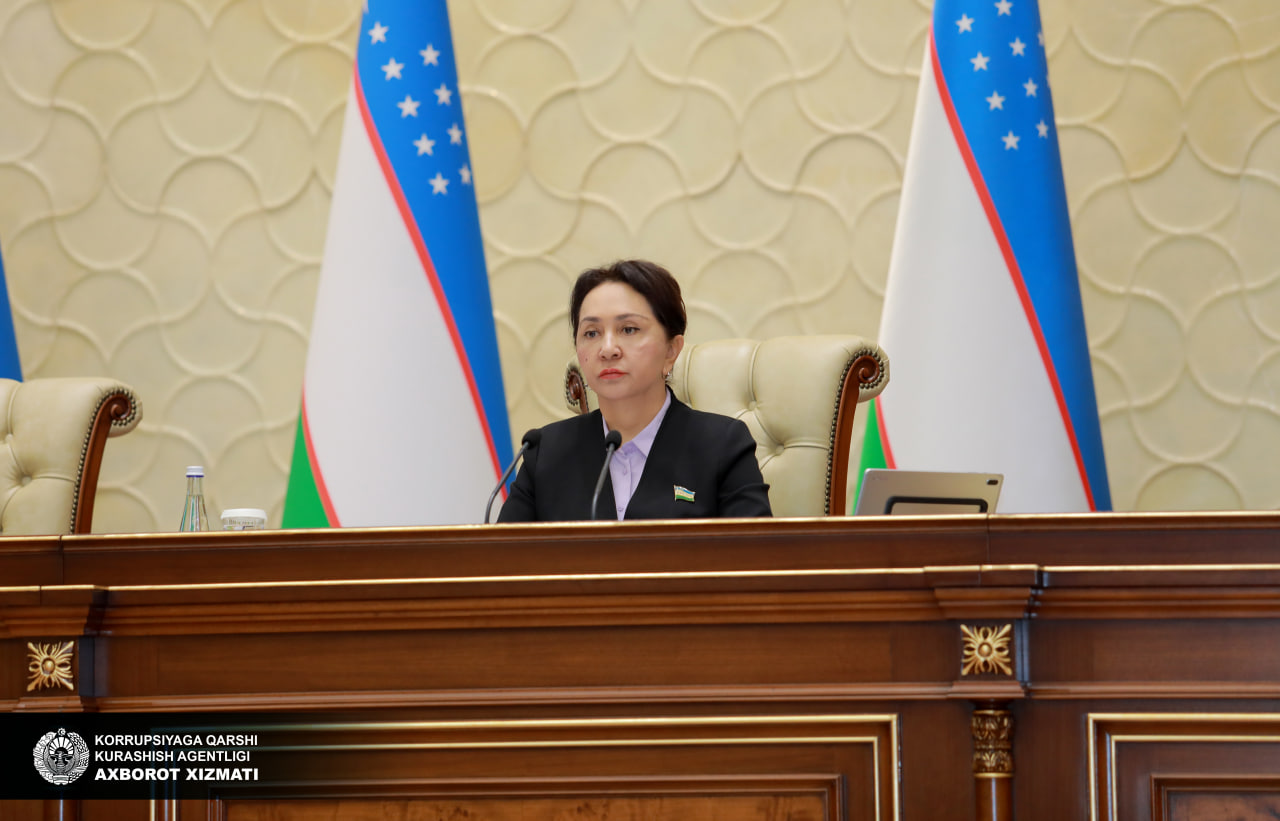
The 49th plenary session of the Senate of the Oliy Majlis has reviewed the National Report on Combating Corruption in the Republic of Uzbekistan. Director of the Anti-Corruption Agency Akmal Burkhanov made the report.
As noted, during the reporting period, 13 regulatory legal acts were adopted directly related to the fight against corruption, as well as 24 regulations aimed at reducing corruption factors in other areas. In order to reduce the human factor, 369 projects related to the digitalization of the activities of government and economic management bodies have been implemented.
A system has been created to monitor and improve the effectiveness of anti-corruption activities of government bodies and organizations. In particular, within the framework of the system for rating assessment of the effectiveness of the fight against corruption in government bodies and organizations, the activities of 62 government organizations were assessed, and within the framework of the Openness Index, the activities of 86 ministries, departments and institutions were assessed.
Internal anti-corruption control units have been created in 89 ministries and departments. 19 government bodies and organizations received the international ISO 37001:2016 anti-bribery management system certificate.
E-Antikorrupsiya project has been launched to prevent corruption risks in government bodies and organizations. As part of the project, an assessment was carried out of 1,701 functions of 39 ministries and departments for corruption risks through E-Anticor.uz electronic platform. Based on the results, 177 functions were specified as ‘high’ corruption risks, as 475 functions – ‘medium’ and 1049 functions – ‘low’.
The Law ‘On the State Civil Service’ was adopted, which defines measures to prevent corruption. In addition, the Resolution of the Cabinet of Ministers approved the Model Code of Ethics for Civil Servants, which regulates the conduct of government employees in and out of work.
4,045 draft legal acts underwent an anti-corruption expertise in 2021-2022, which identified 939 corruption factors in 589 of them. The Agency submitted statutory notices to the developers of the drafts to eliminate those factors.
On the basis of the relevant Resolution of the Cabinet of Ministers, an anti-corruption expertise of existing regulatory legal acts was provided, in particular, during 2022, an anti-corruption expertise of 1,791 existing legal acts was carried out regulating the issues of social security, social insurance and social protection, finance, credit and banking activities, entrepreneurship and economic activity, customs affairs and foreign economic activity, in 238 of which 339 corruption factors were identified.

Preventive mechanisms have been launched aimed at preventing corruption in the social, economic and business sectors - the Initiative Budget project, the Unified State Control information system, and the E-auksion electronic platform. In addition, the implementation continued of the Corruption-Free Area projects in the capital construction, higher education, healthcare areas and the public procurement system.As a result of the measures taken, intolerance to corruption among citizens has been grown, and Uzbekistan’s position in international rankings and indices has improved.
For reference: In the Transparency International’s Corruption Perceptions Index, Uzbekistan rose by 14 positions, in terms of the ‘absence of corruption’ indicator of the Rule of Law Index by World Justice Project the country moves up to 4 positions, in terms of the ‘containment of corruption’ indicator of the Quality of Governance Indicator (The Worldwide Governance Indicators) - by 15 positions, in Bribery Risk Matrix (TRACE Matrix) - by 16 positions, and in the open data index of Open Data Inventory - by 5 positions.
In his speech, Akmal Burkhanov, along with the ongoing reforms, also focused on the challenges in the area and the many tasks that need to be implemented. In particular, the National Report focuses on a number of proposals to combat corruption and prevent it. Those include the adoption of the National Anti-Corruption Strategy 2024-2030, strengthening penalties for violating the requirements of the legislation on public procurement, as well as introducing a system of administrative liability of officials for failure to take measures to prevent corruption in government bodies and organizations.
During the discussions, senators noted the need to ensure the rule of law in the formation of an uncompromising attitude towards corruption in society, wider use of the capabilities of the media, civil society institutions, NGOs and the institution of mahallas, as well as further expansion of the volume of socially significant information to be disclosed. Proposals and recommendations were also made to strengthen the responsibility of territorial divisions of government bodies, local government bodies in the process of combating corruption, as well as to further enhance opportunities to work with youth. Members of the public also provided their suggestions on some of the issues that arose during the Agency’s studies.
Suggestions, recommendations, and proposals expressed regarding the National Report will be carefully studied by the Agency and effectively applied in determining measures to combat corruption.
Press Office
The Anti-Corruption Agency