
Fifth National Anti-Corruption Report Reviewed
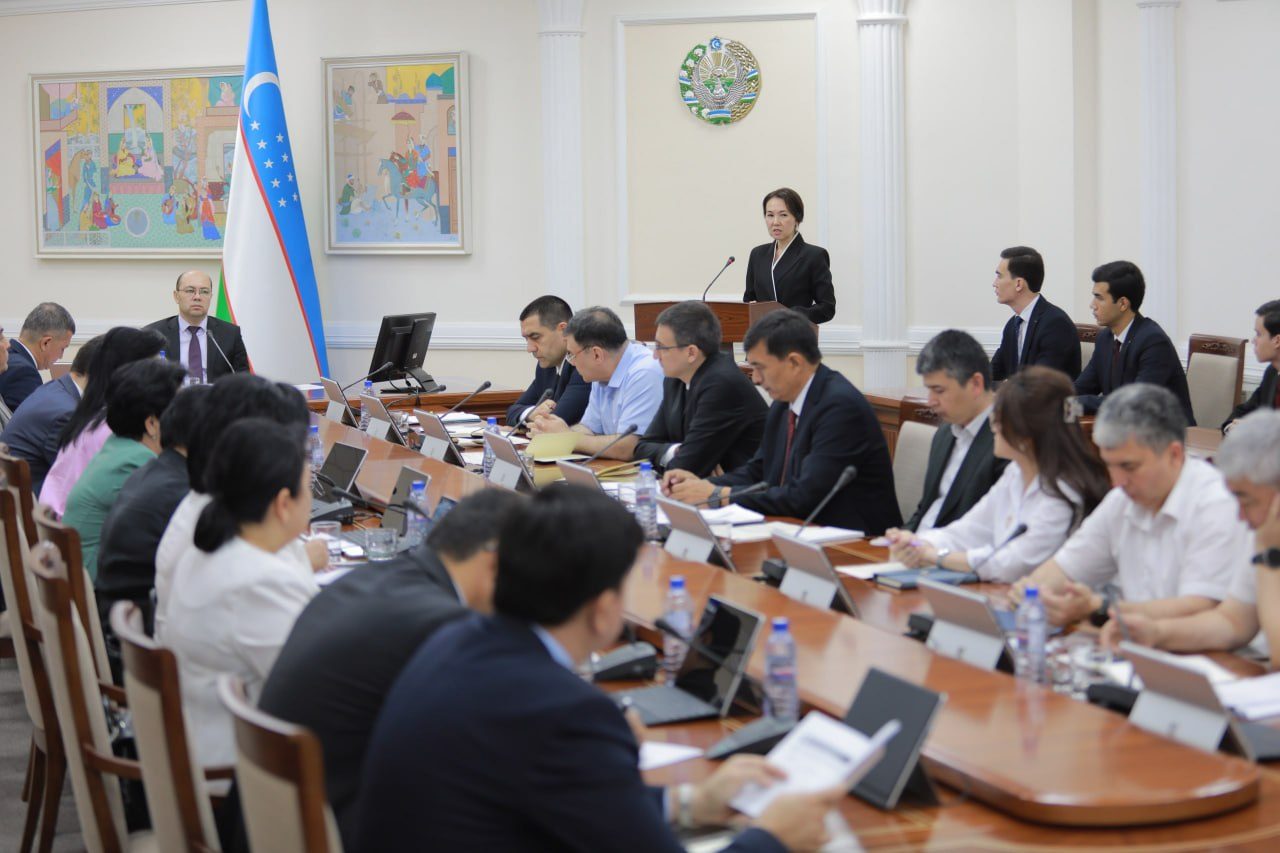
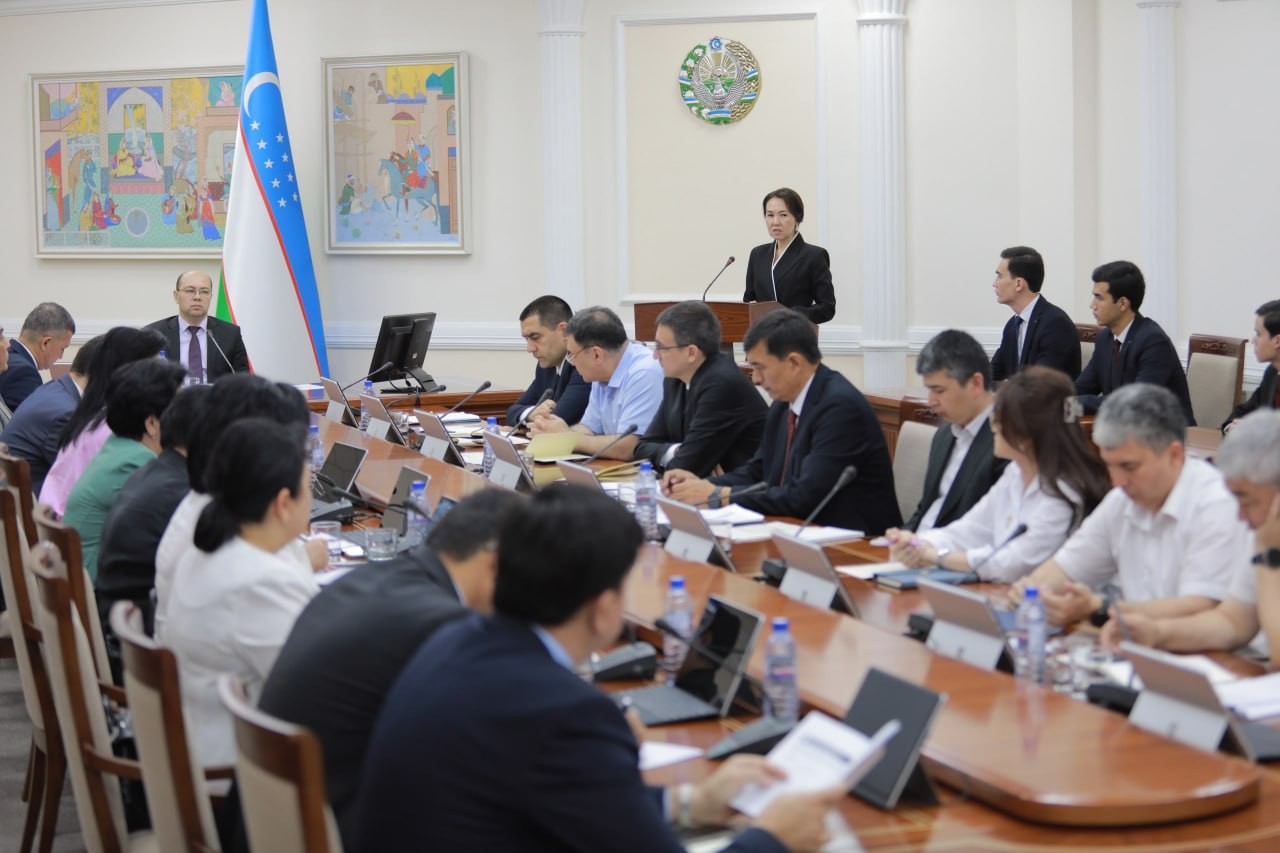
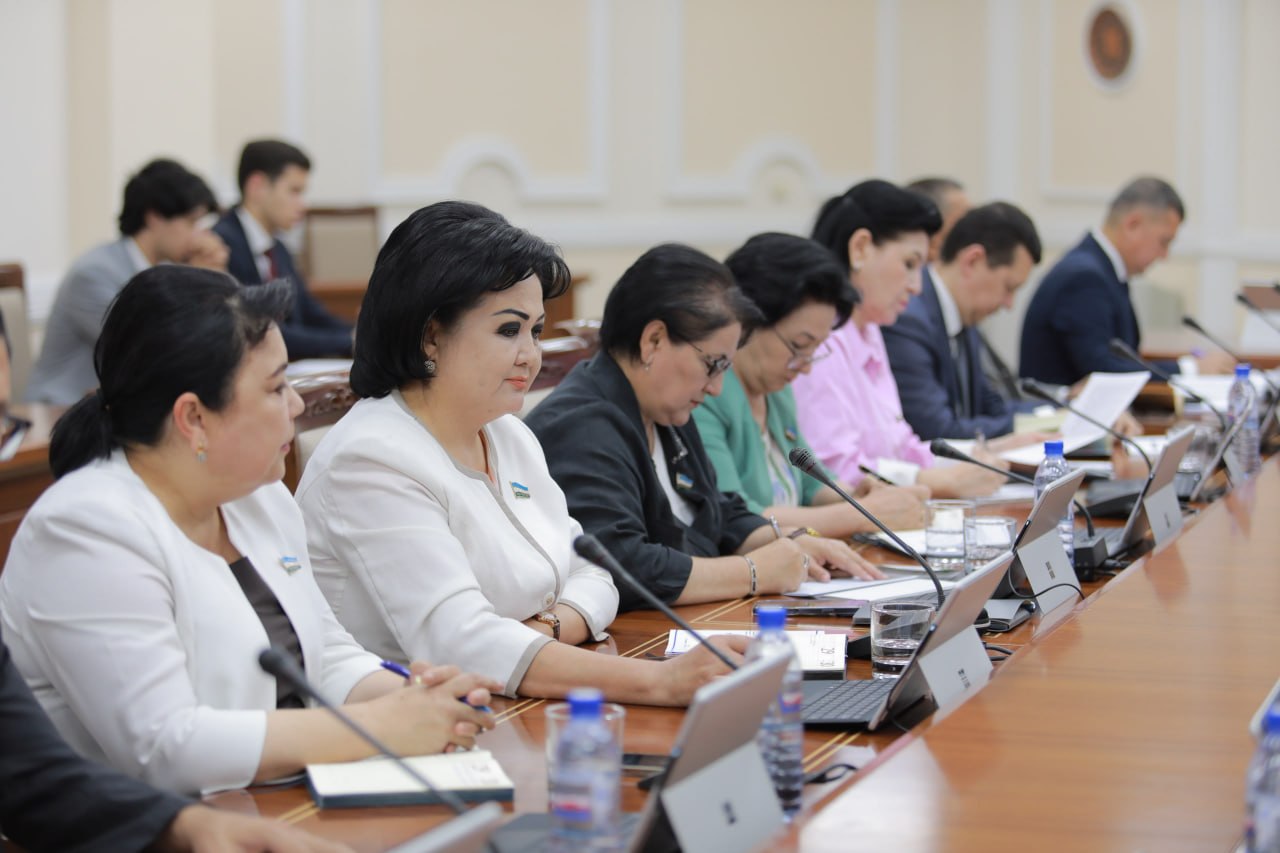
The Fifth National Report on Anti-Corruption in the Republic of Uzbekistan, prepared by the Anti-Corruption Agency, was preliminarily reviewed at a meeting of the Committee on Combating Corruption and Judicial-Legal Issues of the Legislative Chamber of the Oliy Majlis.
The agenda item was presented by Umida Tukhtasheva, Deputy Director of the Anti-Corruption Agency.
It was noted that, under the leadership of President of the Republic of Uzbekistan Shavkat Mirziyoyev, anti-corruption reforms entered a new stage of development in 2025. In particular:
- a Compliance Service was established within the Presidential Administration; positions of deputy heads responsible for internal anti-corruption control were introduced across state bodies and organizations, while internal control units were reorganized into independent structural divisions;
- field-based assessments aimed at identifying the root causes of petty corruption in high-risk sectors were intensified, and Roadmaps were approved to transform 37 districts and cities into corruption-free territories;
- the list of goods, works and services eligible for procurement through direct contracting was abolished;
- grants totaling UZS 3.4 billion were allocated to support anti-corruption projects implemented by non-governmental non-profit organizations (NGOs), resulting in the implementation of 45 projects;
- Uzbekistan actively contributed to advancing key initiatives within the framework of the United Nations Convention against Corruption (UNCAC).
The meeting also discussed measures to prevent petty corruption, significantly reduce the human factor in public administration processes, establish an effective corruption prevention system at all levels of governance, strengthen integrity in the civil service, and improve the country's standing in international rankings and indices.
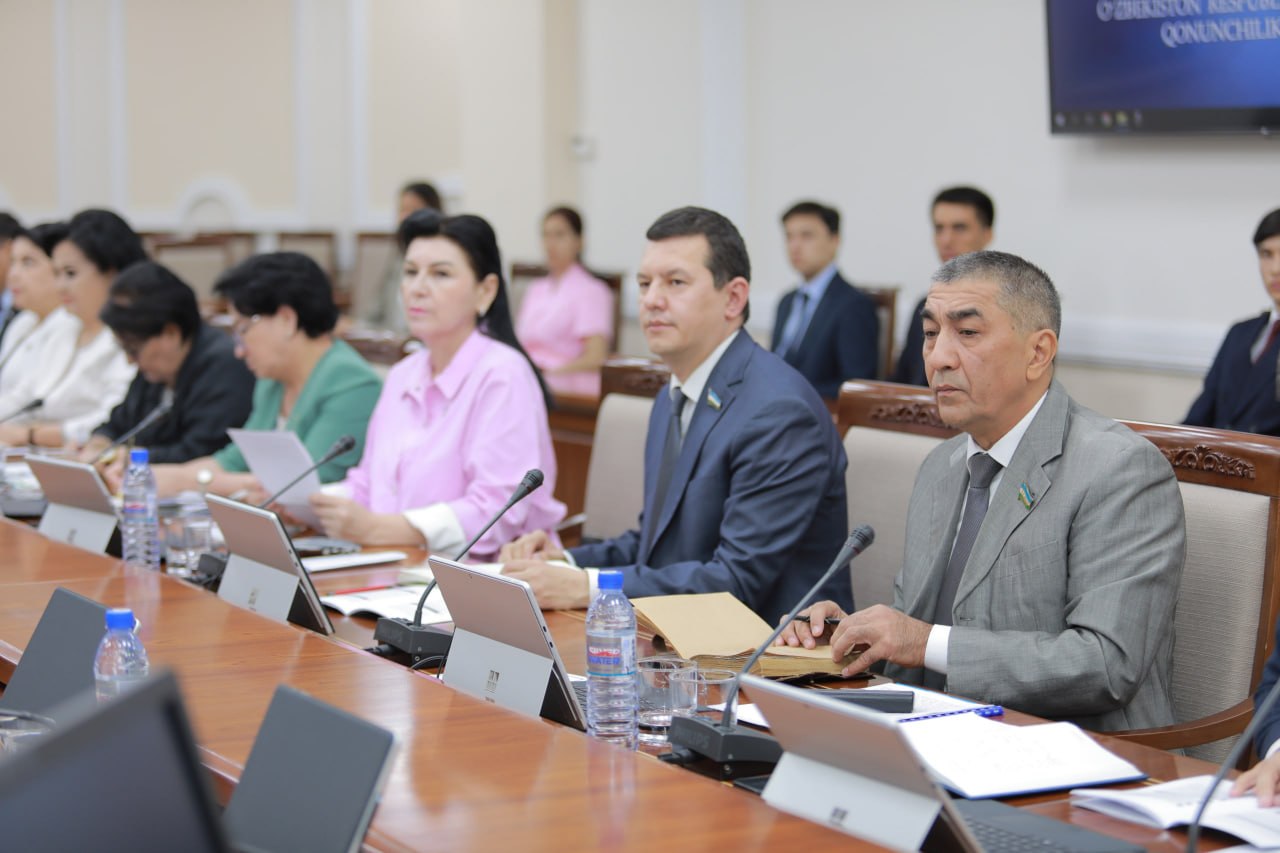
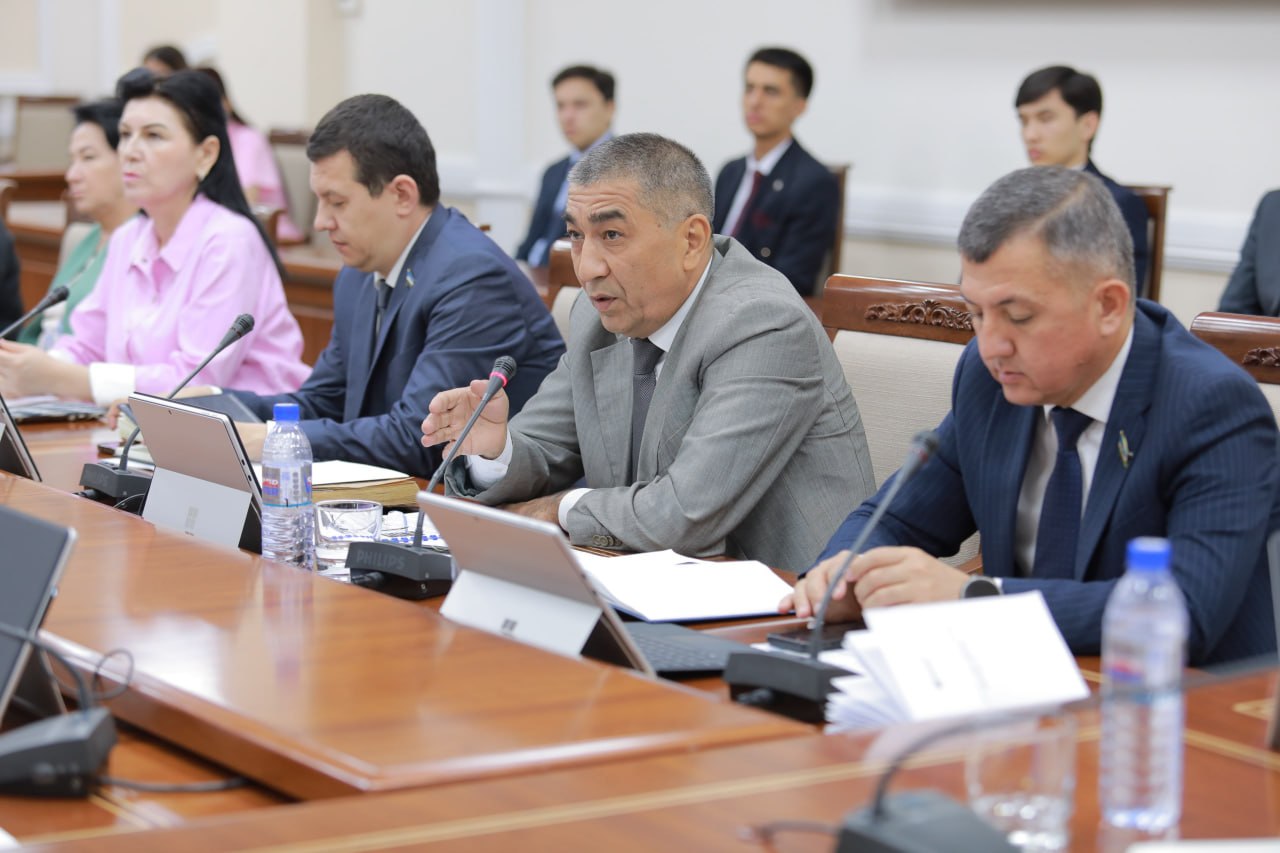
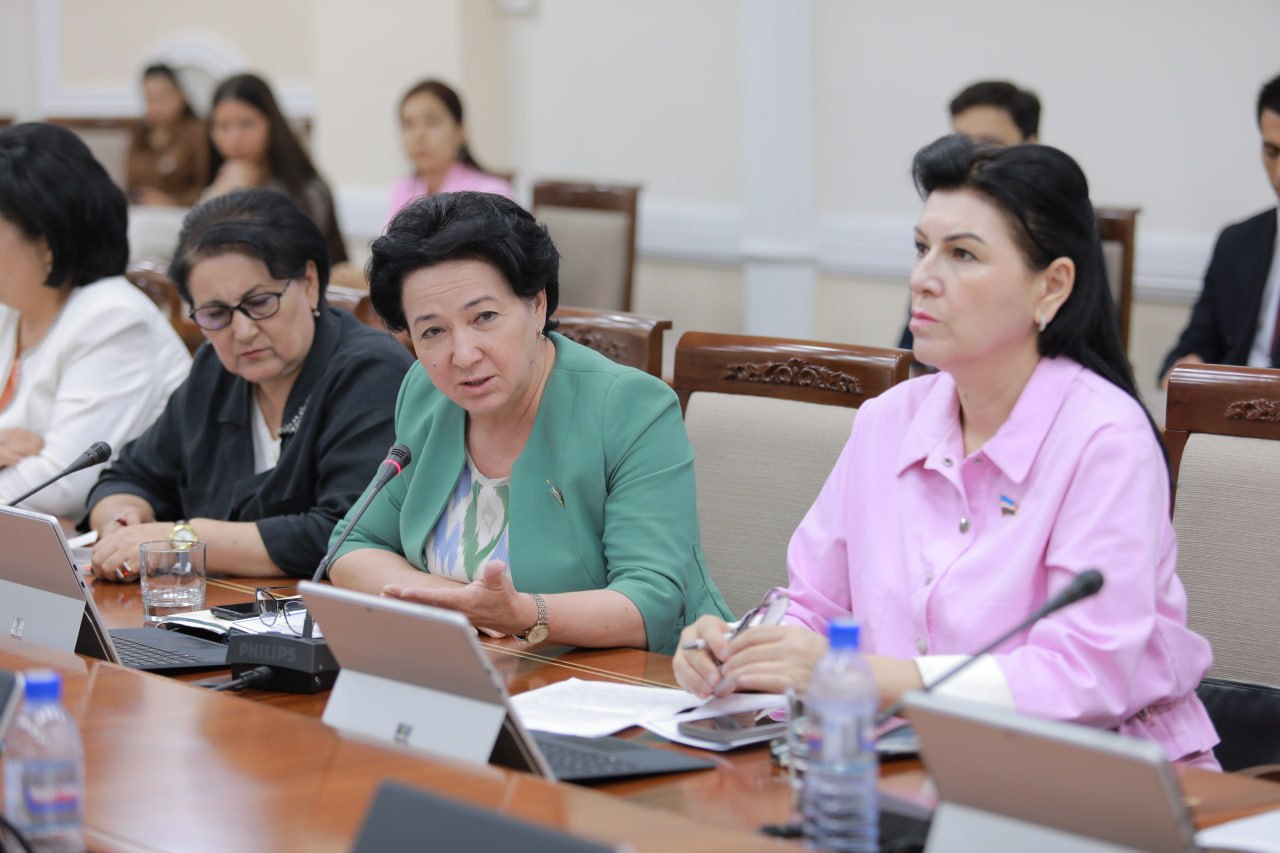
Members of Parliament put forward a number of proposals and recommendations aimed at further strengthening the capacity of civil society institutions, promoting the broader application of research findings in practice, and enhancing anti-corruption education and awareness.
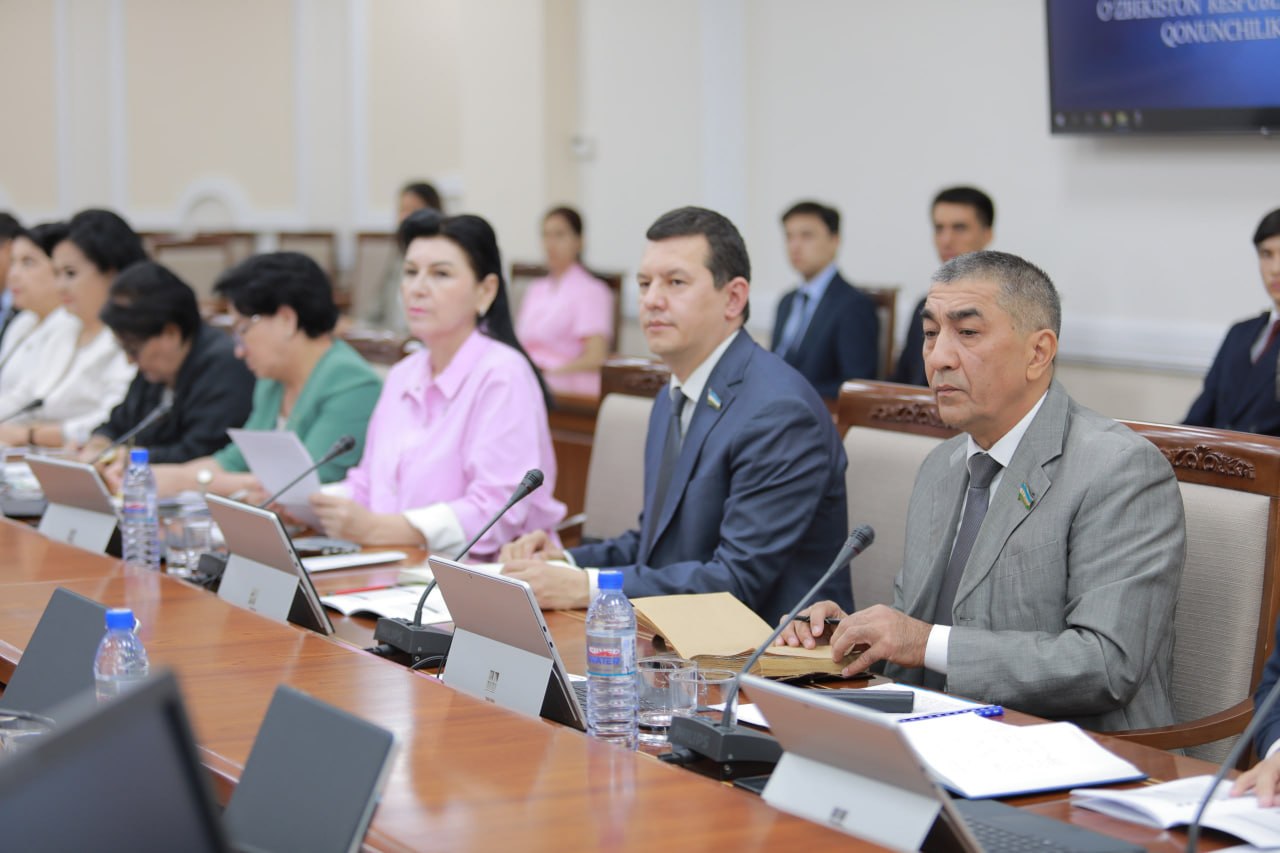
At the conclusion of the meeting, priority tasks for the next stage of implementation were identified on the issues discussed, and the relevant Committee resolution was adopted.
Press Service of the
Anti-Corruption Agency