
Anti-Corruption Week: Outcomes and Prospects
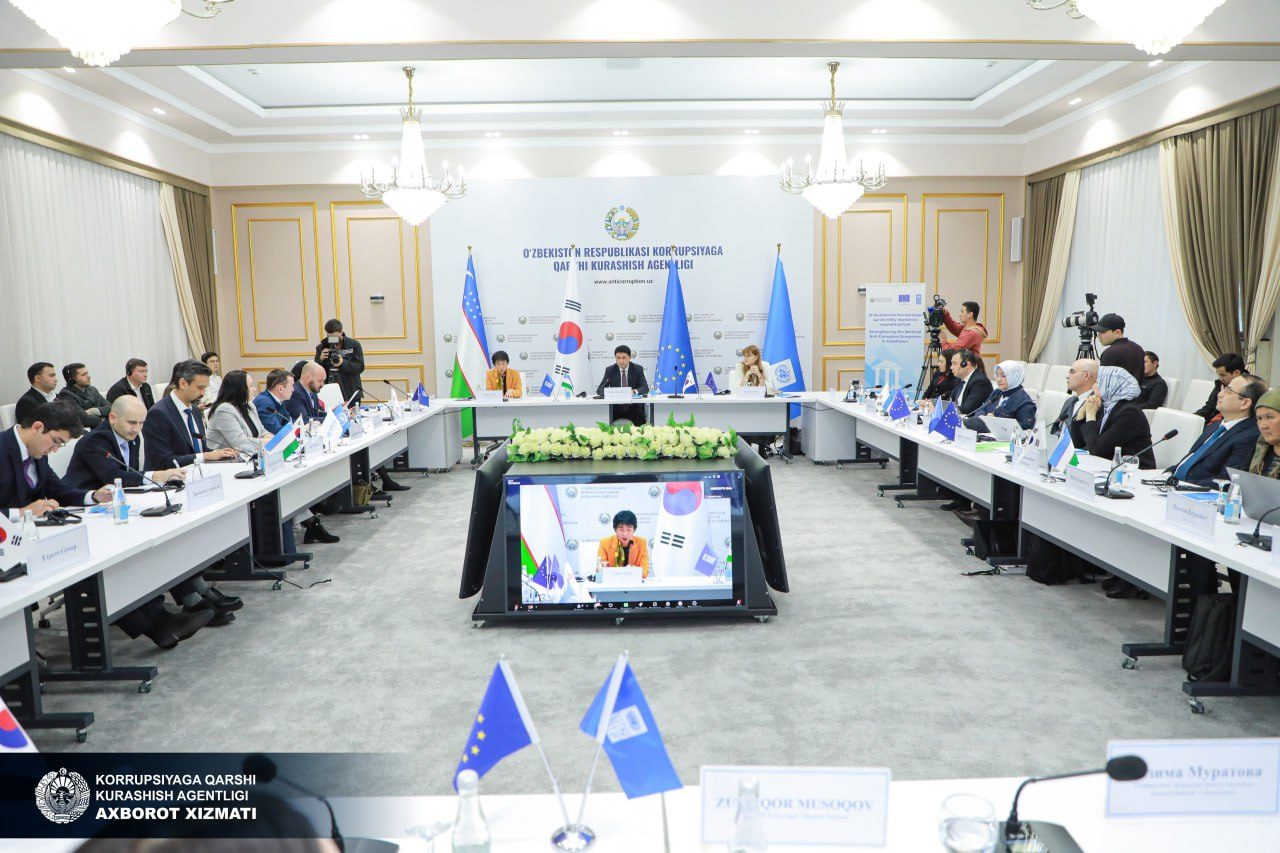
The Anti-Corruption Agency hosted December 13 an event addressing the outcomes of the Anti-Corruption Week timed to the International Anti-Corruption Day - December 9.
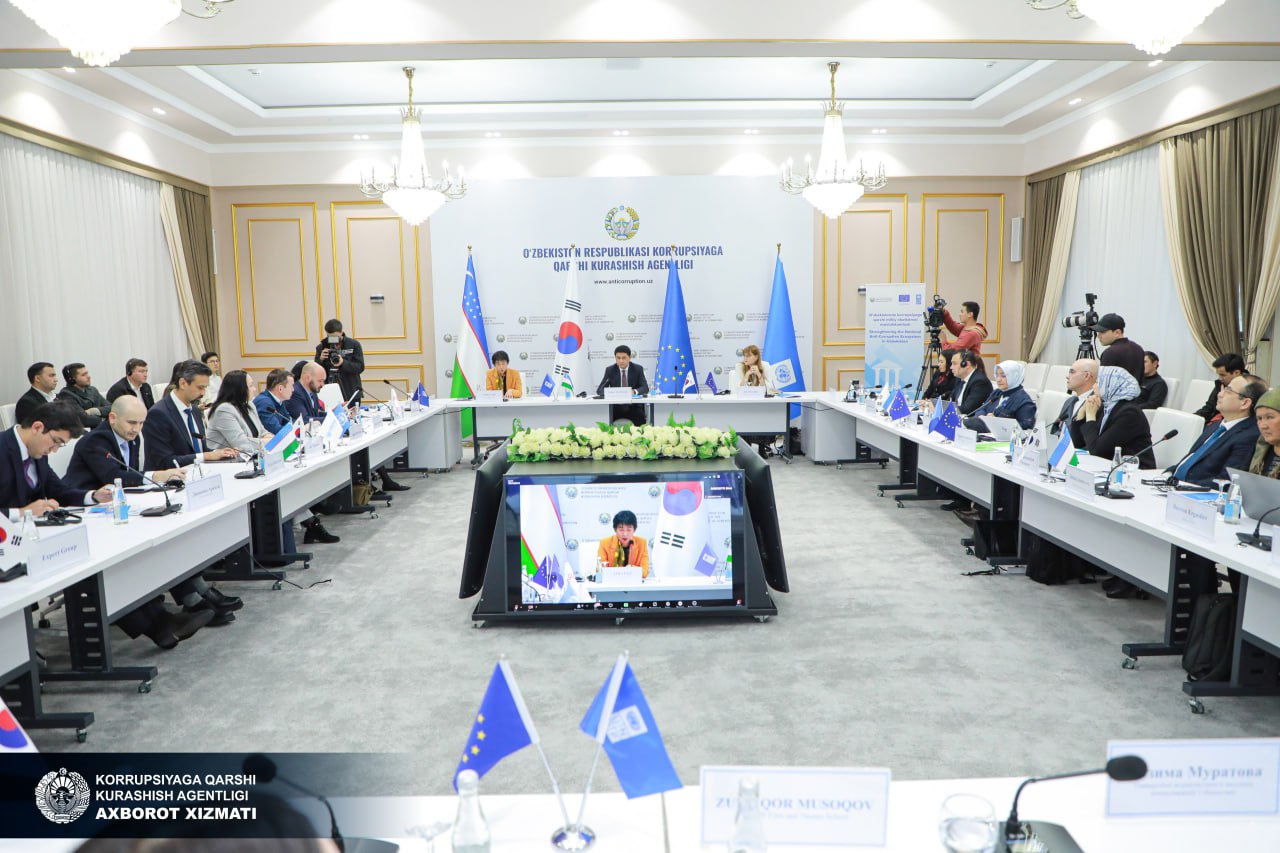
The event, organized in cooperation with UNDP, the European Union Delegation and the Anti-Corruption and Civil Rights Commission of the Republic of Korea, was attended by civil servants, international partners, representatives of civil society institutions and the media, who discussed achievements in the area and the strategy for building a future without corruption.
The event presented an electronic platform based on the advanced achievements and modern conveniences of the Korean ‘Clean Portal’, which allows promptly reporting corruption.

The updated platform has all the capabilities for the user to provide detailed information about a case of corruption, the amount of a bribe, as well as attach supporting materials. Sorting and filters make it possible to view the entered data by region, industry, organization and for the relevant period of time.
The event also provided detailed information on the projects ‘Transparent Cities’ and ‘Honest Districts’ aimed at identifying, preventing and eliminating corruption risks in government bodies, launched by the Anti-Corruption Agency in cooperation with UNDP.

The initial stage of the project was launched in the Mirzo-Ulugbek district administration of Tashkent city, the Jizzakh city administration and the Vobkent district administration of Bukhara Region. The employees of these administrations are undergoing special training on the upright and effective implementation of the projects.
For reference: ‘Transparent Cities’ and ‘Honest Districts’ are specially created territories where high standards of integrity, transparency and ethics are in effect, excluding any form of corruption within departments and organizations. The methodology based on these projects has proven its effectiveness in 11 countries of Central and Eastern Europe, as well as South-Eastern Europe. The methodology was used in 30 local authorities, and in 2011 it received the United Nations Public Service Award for its contribution to the development of public service.
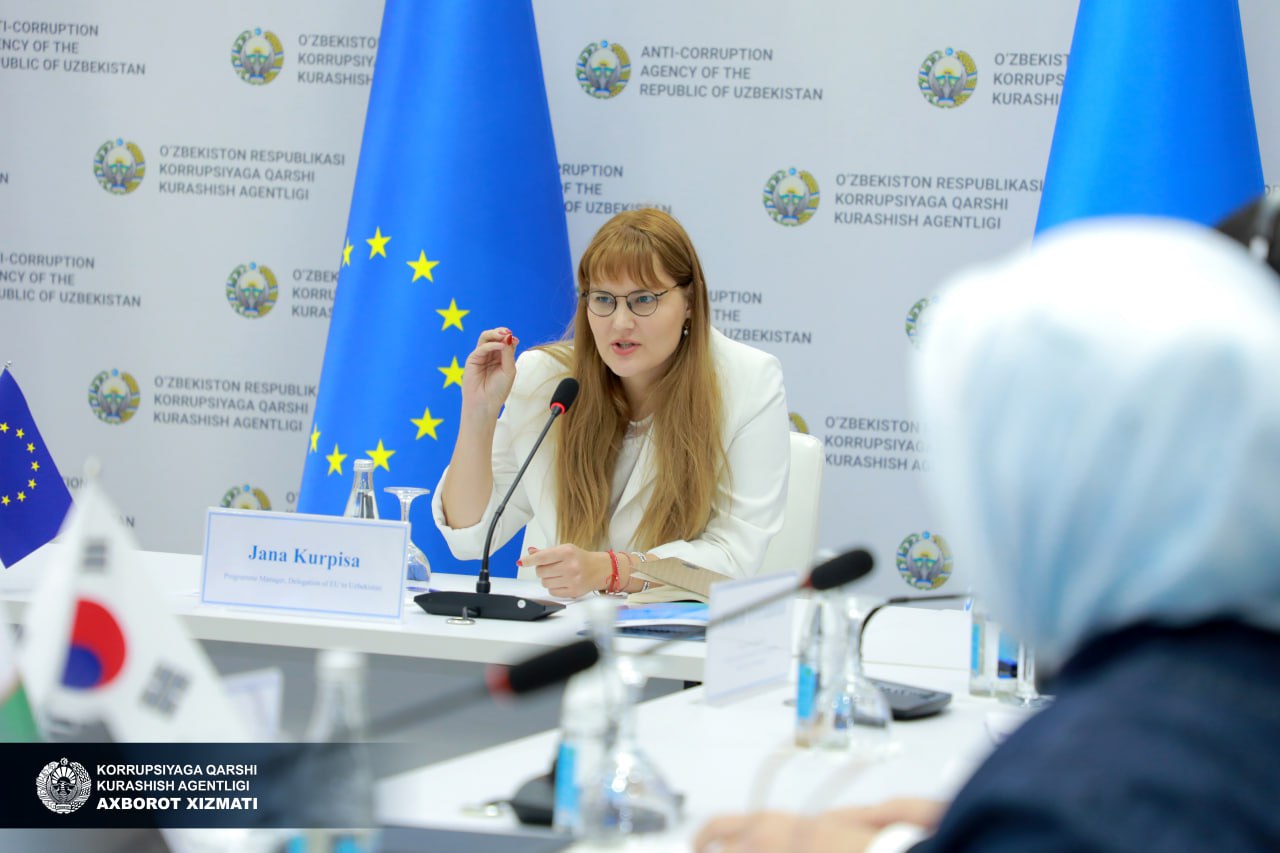
During the dialogue, participants reviewed the results of the study ‘Corruption and Women’s Entrepreneurship’, conducted by NGOs that were awarded small grants. The study examined the impact of corruption on women entrepreneurs. More than 70 percent of respondents reported a decrease in the level of corruption over the past three years, which reflects the effectiveness of government policy in this area. In addition, 69.1 percent of respondents believe that the level of corruption is lower under women leaders, as they are more committed to adhering to ethical standards.
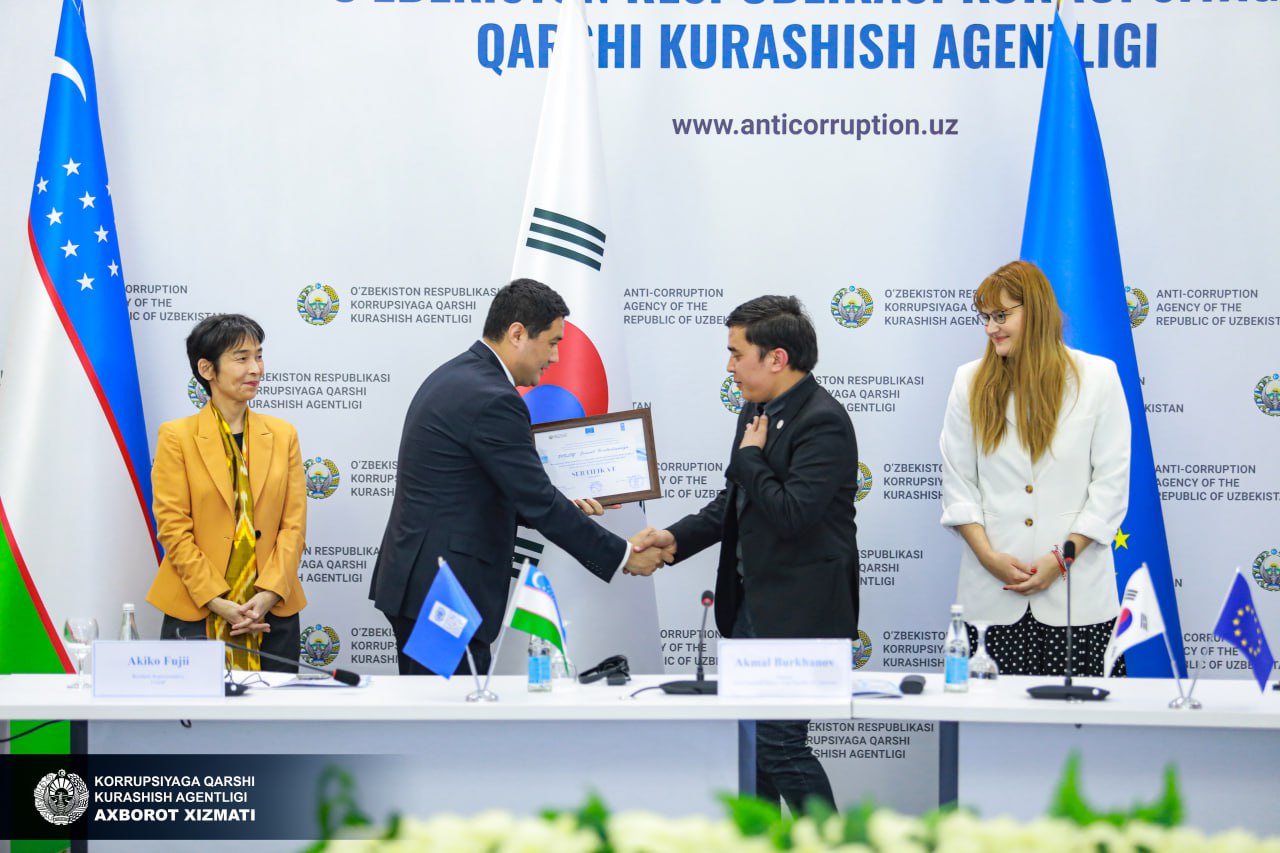
These findings, combined with Uzbekistan’s report ‘Women, Business and the Law 2024’ (WBL2024), which recognizes significant progress in gender equality, highlight the need for gender-sensitive strategies to combat corruption and support women entrepreneurs.
The event concluded with a discussion of further steps on Uzbekistan’s anti-corruption initiatives.
Press Office
The Anti-Corruption Agency