O'zbek
 Ўзбек
Ўзбек
 Русский


 Accessibility


Activities of Compliance Control Units Critically Discussed
Based on the Address of the Head of our State to the Oliy Majlis, in which 2026 was declared a year of "emergency state" in the fight against corruption, a critical meeting was held dedicated to the status of improvements in compliance control and priority tasks.
The meeting was attended by responsible officials from the Compliance Service of the Presidential Administration, the Anti-Corruption Agency, as well as heads of anti-corruption internal control (compliance) structures of state bodies and organizations.
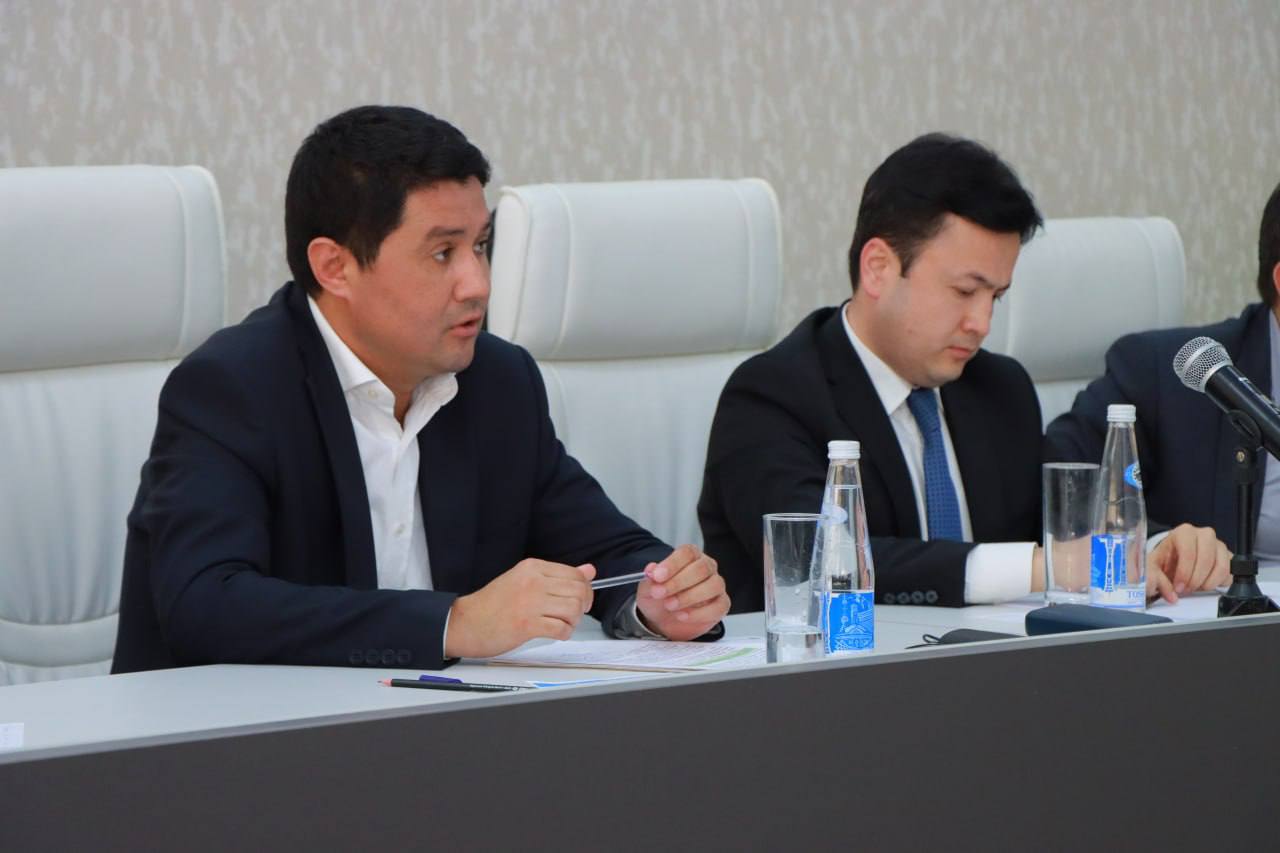
At the meeting, it was noted that one of the priority areas for raising state policy in this field to a qualitatively new level until 2030 is the prevention of systemic corruption through early detection of corruption factors and the implementation of preventive mechanisms, rather than merely fighting its consequences.
It was highlighted that as a result of the work carried out over a short period, the new compliance control system coordinated the recovery of 4.2 trillion soums within criminal cases and 8.5 trillion soums through curbing the shadow economy, while preventing over-expenditures of budget funds amounting to 1.3 trillion soums
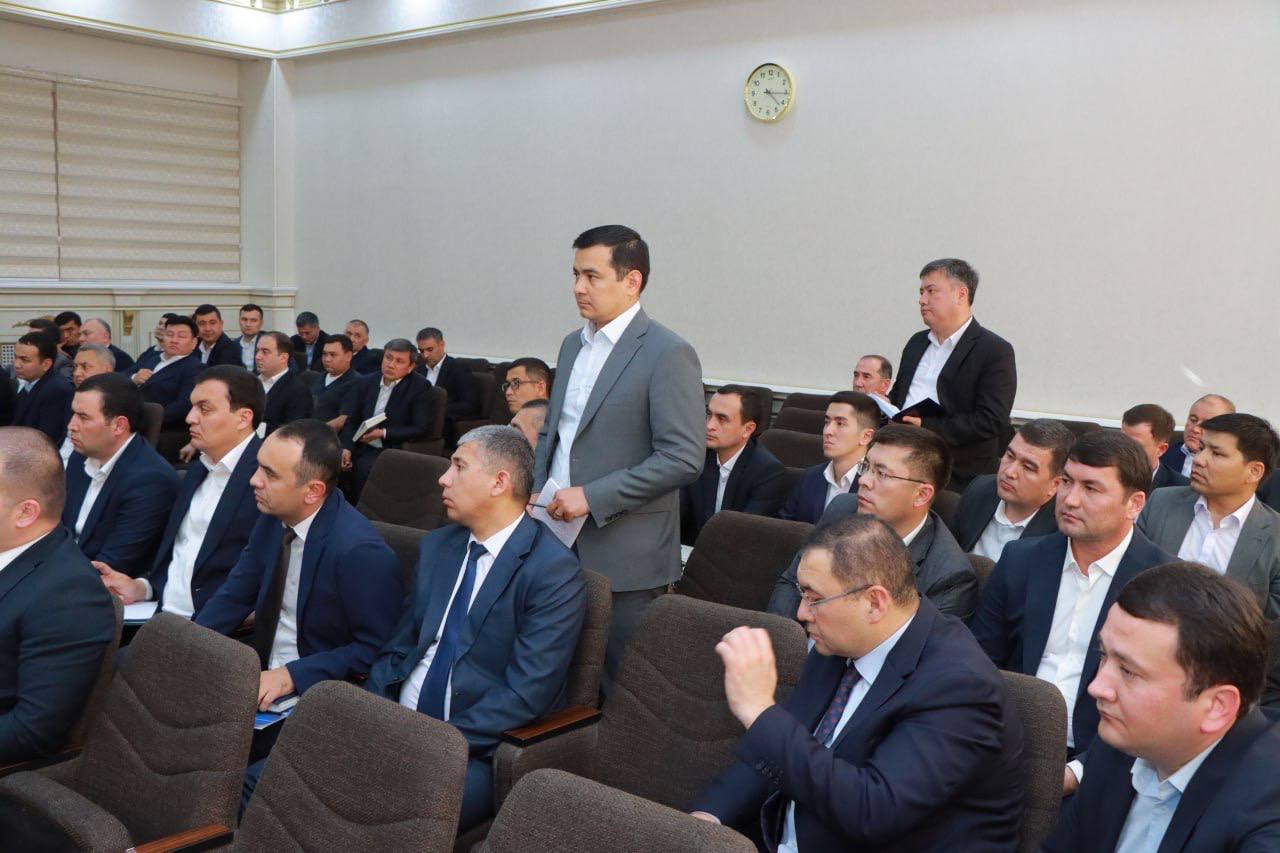
At the same time, despite the creation of all necessary conditions for the independence and effective operation of internal control structures, the lack of positive changes in the activities of certain units was sharply criticized, and existing shortcomings were openly discussed.
Firstly, although the primary task of compliance units is to develop and implement systemic preventive measures aimed at averting corruption, work in many state bodies and organizations has not been organized at the required level. Furthermore, in some state bodies, compliance units have not been established in accordance with the minimum criteria set by legislation. Out of 50 organizations studied, these requirements were not met in 23.
Secondly, in certain ministries and regional khokimiyats, control measures were not conducted at all. In some organizations, audits failed to identify any financial violations, which raises doubts about the effectiveness of the oversight.
Thirdly, efforts to prevent conflicts of interest are not yielding sufficient results. Specifically, in the current year alone, 105 administrative offenses related to conflicts of interest were committed.
Fourthly, certain state bodies are failing to post socially significant information on official websites in a timely and complete manner.
Fifthly, personnel and organizational problems persist within the compliance system, with some positions remaining vacant for extended periods.
Sixthly, the risk of corruption remains high in the field of public procurement.
In recent years, more than 800 individuals have been held criminally liable in this area.
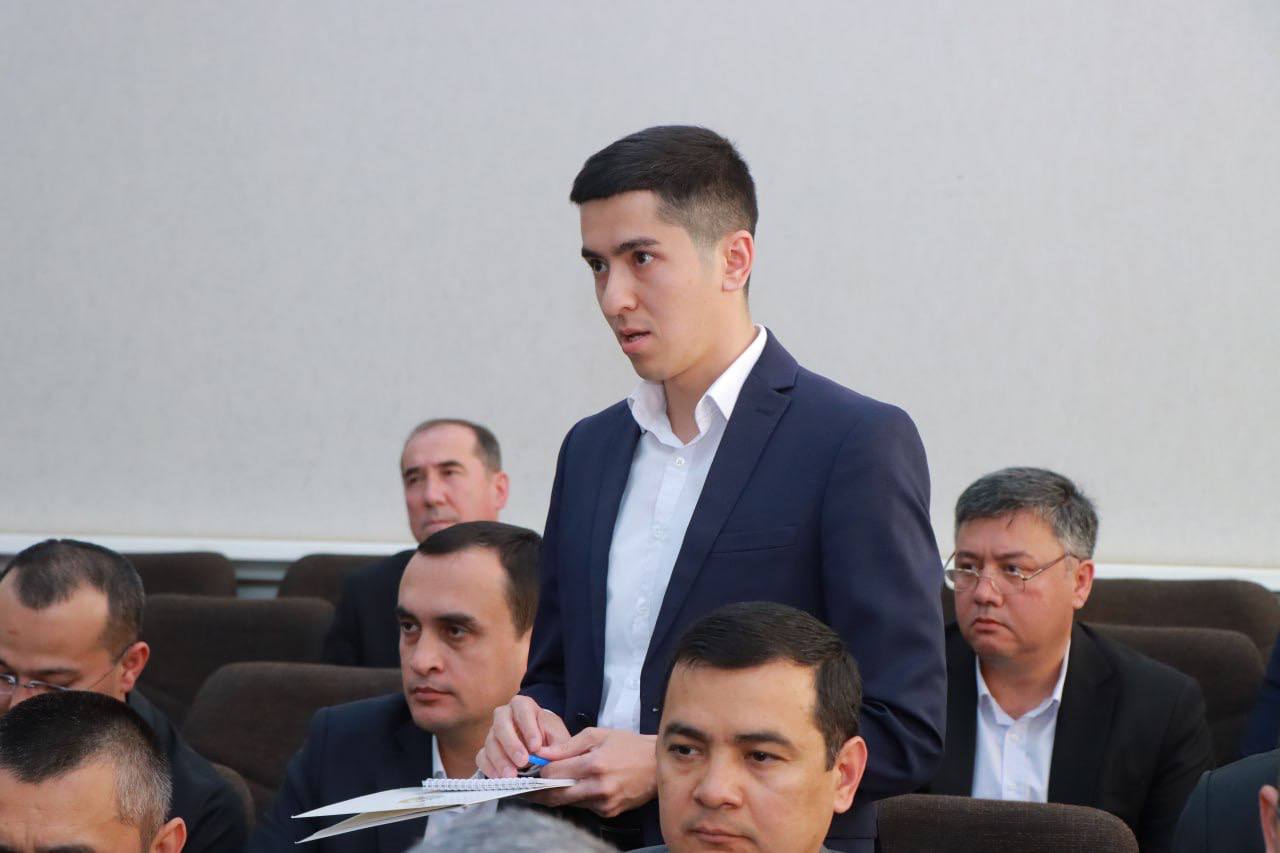
During the meeting, the Compliance Service of the Presidential Administration defined strict tasks to increase the personal responsibility of the heads of ministries and departments and to transform the compliance system into a results-oriented mechanism.
In particular, it was stated that henceforth the primary mission of compliance units is the prevention of corruption, and their performance will be evaluated based on the effective implementation of preventive measures for the early detection and elimination of corruption factors. It was also noted that stringent measures will be taken against officials who have demonstrated irresponsibility.
Within the framework of the meeting, reports from the heads of compliance control units on the agenda items were heard.
Press Service
of the Anti-Corruption Agency
 25.04.2026