
The Agency Hosts a Seminar on Combating Corruption in Public Procurement with Participation of JICA Experts
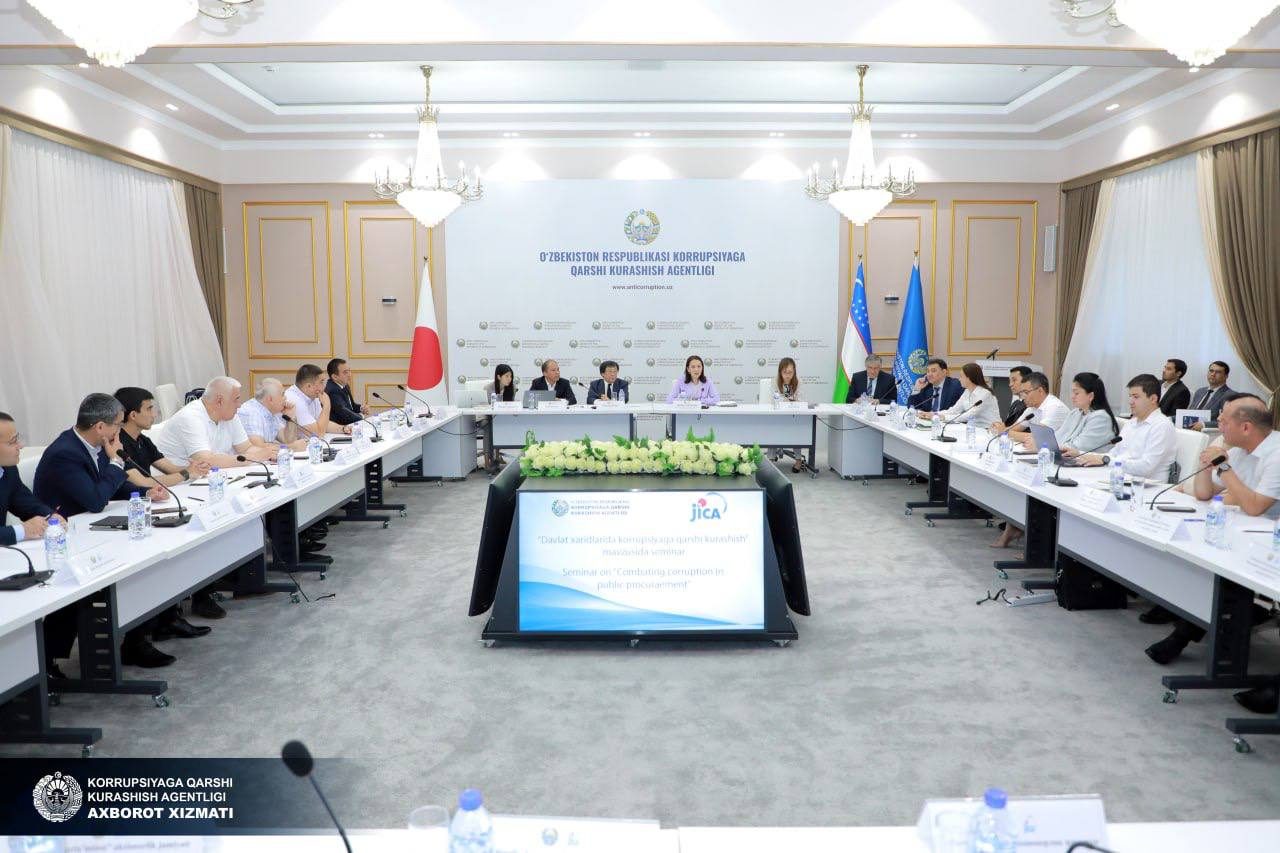
On May 17, the Anti-Corruption Agency, together with the Japan International Cooperation Agency (JICA), organized a seminar on the topic ‘Combating Corruption in Public Procurement’ with the participation of JICA experts Ichihashi Katsuya and Makino Makumoto for employees of audit structures and internal anti-corruption control units of government bodies and organizations.
This event was organized by the Agency jointly with JICA within the framework of the technical assistance project ‘Supporting anti-corruption measures to improve the investment environment 2024-2025’.
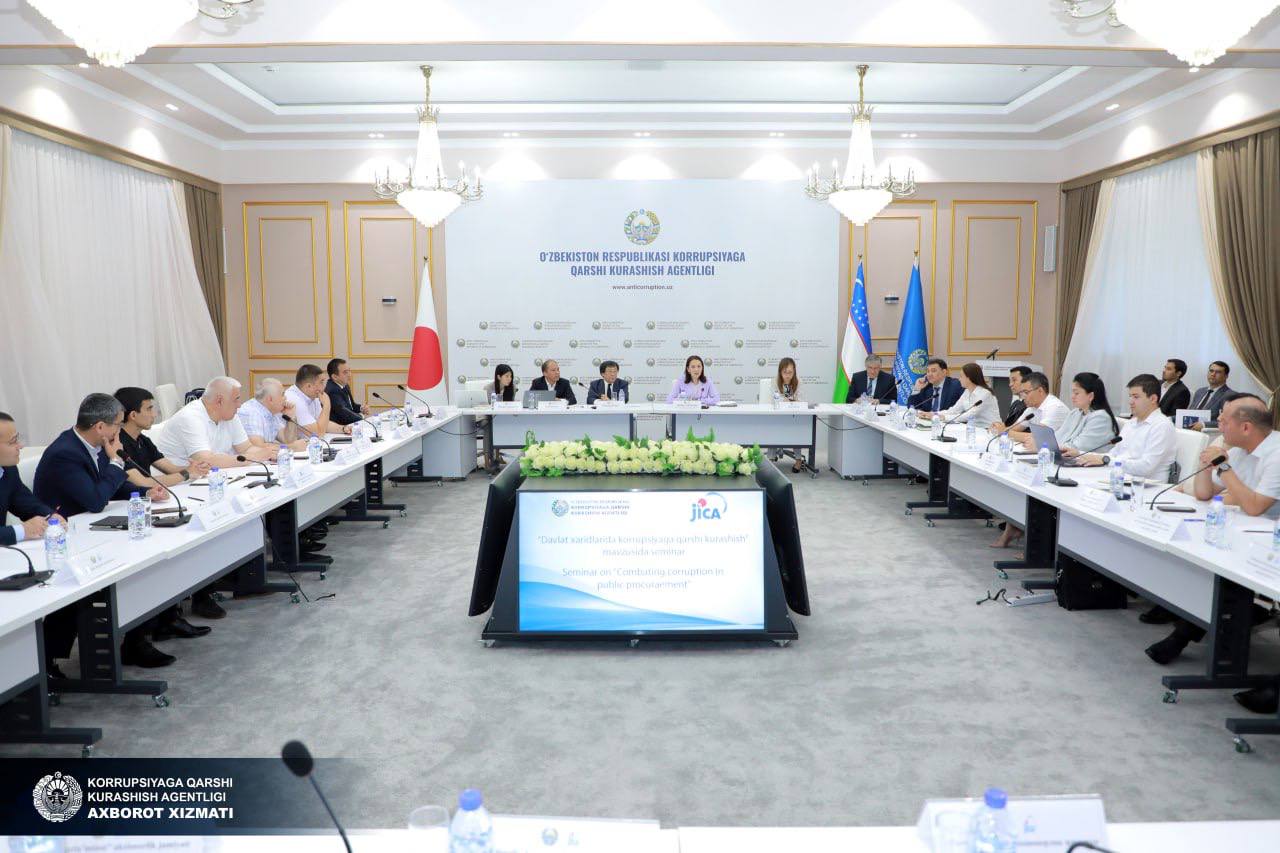
For reference: The project provides for mutual cooperation in the areas of preventing corruption in public procurement and raising public awareness in this area. Cooperation within the project will be carried out in Uzbekistan and Japan through trainings, experience exchange courses, seminars for Agency employees and responsible departments.
The project provides for the involvement of Japanese experts who will be improving the knowledge and skills of participants in seminars and trainings on preventing corruption in public procurement.
At the beginning the seminar participants talked about the work being carried out in public procurement in Uzbekistan within the framework of the Corruption Free Area Project. As noted, over the past period, general rules and conditions for conducting electronic procurement and the procedure for carrying out public procurement under direct contracts have been established.
Together with the Ministry of Economy and Finance and the World Bank, an electronic platform has been developed to identify cases of corruption and ensure transparency in public procurement.
From March 1, 2023, a ban was introduced on the purchase of goods (work, services) under direct contracts to ministries (departments, institutions) and their subordinate organizations, the cost of which is 3,500-fold reference calculation value.
Despite the ongoing reforms, this area remains one of the areas with a high corruption risk and the largest number of corruption offenses. It was noted at the seminar that this is caused by a number of factors, including insufficient openness and a weak regulatory framework, opacity of selection criteria, and lack of sufficient accountability for violations in the procurement process.
During the dialogue, presentations were made on the issues of preventing corruption in public procurement, monitoring public procurement, compliance with legislation in the field, and the participation of responsible departments and organizations in these processes. It was noted that as part of the implementation of the Corruption Free Area Project, the Ministry of Economy and Finance obliged government customers to provide information about affiliation in the public procurement process. It has become possible to automatically identify affiliates through an electronic system. A Strategy for further development and improvement of the public procurement system of the Republic of Uzbekistan 2023 – 2026 has been developed. It is also planned to develop indicators of corruption risks and mechanisms for their assessment.
During the remote risk analysis conducted by the Accounts Chamber, violations of procurement procedures amounting to 25 billion soums were identified, and based on the results, statutory notices were submitted to six ministries to take appropriate measures. Administrative measures were taken against 135 officials who violated procurement procedures.
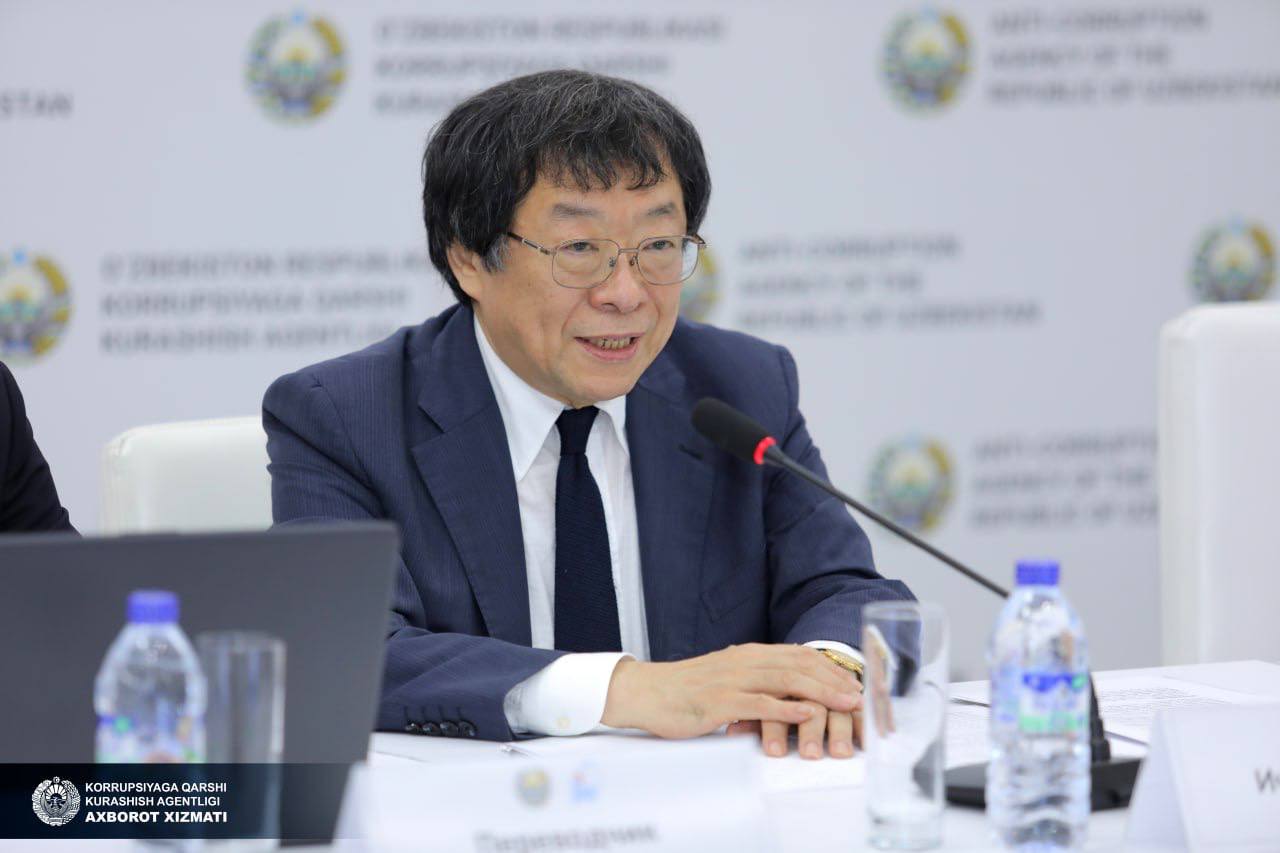
In turn, Japanese experts provided detailed information about Japan’s experience in preventing corruption in public procurement. In particular, according to Ichihashi Katsuya, laws on accounting and local autonomy, as well as other legal documents, provide for a tender procedure in which the participant whose proposal is most beneficial to the client is selected as the counterparty, and the contract is concluded according to the conditions of the participant. Determining how a group of undertakings or an association of undertakings selects potential participants or potential contractors undermines the function of such tender system and limits competition in the procurement of goods or services through tendering.
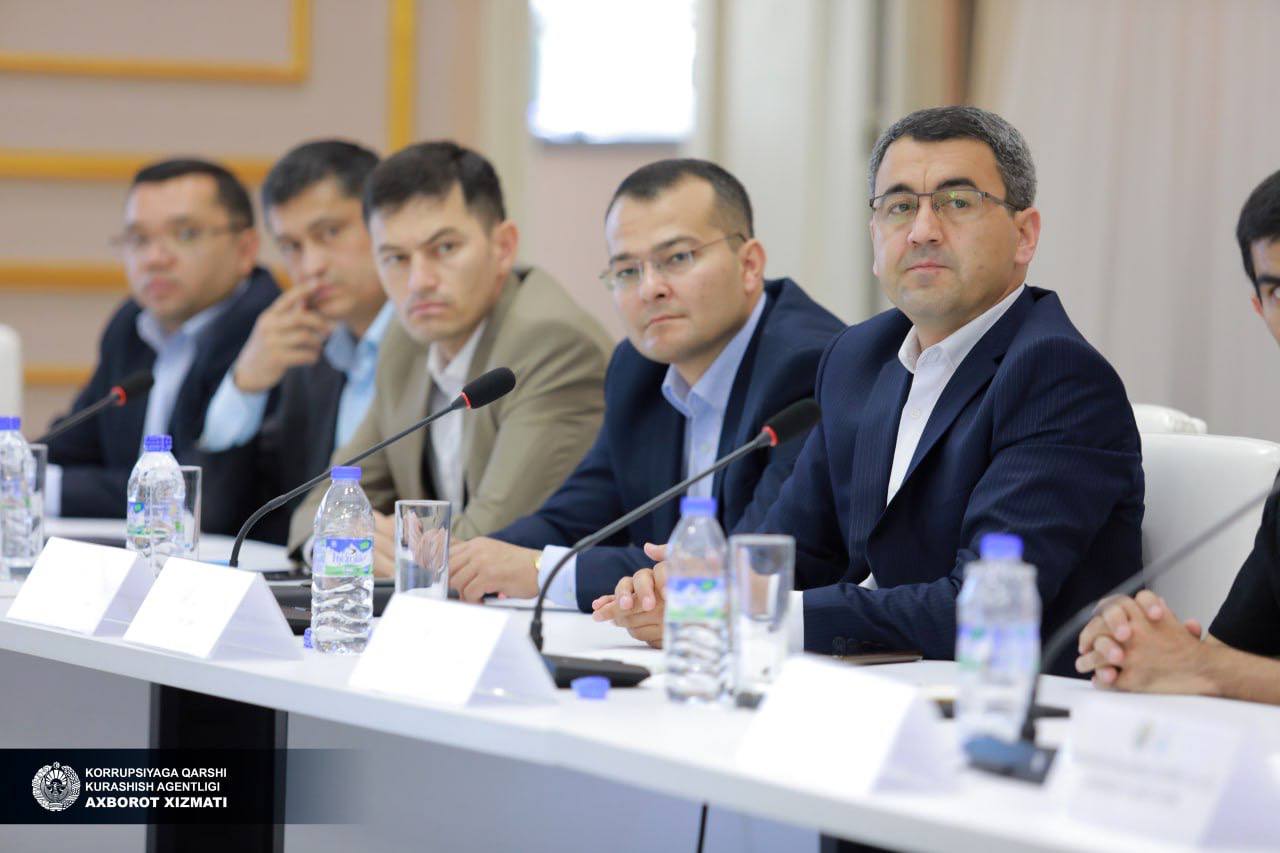
Also during the discussions, a number of issues were considered, including minimizing the negative impact of corruption in procurement based on international standards, achieving transparency and accountability in public financial management, including budgeting, reporting on government revenues and expenses, auditing and risk management, eliminating conflicts of interest in procurement procedures, as well as ensuring the openness of the country’s economy.
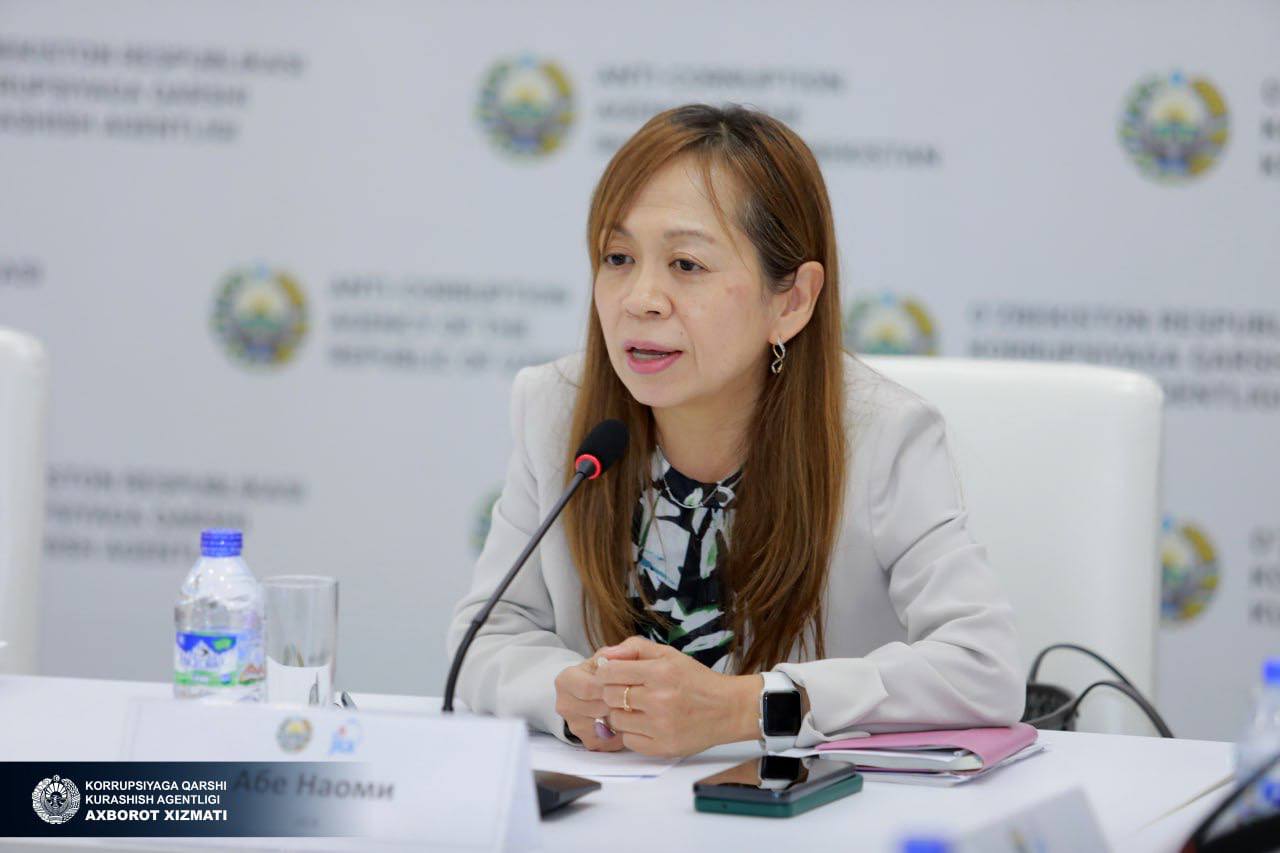
The seminar was the first event within the framework of a joint project with JICA, and in the future it is planned to organize a number of training seminars, courses for the exchange of experience and the preparation of practical materials.
Press Office
The Anti-Corruption Agency