
Agentlik vakillari Olmaotada “Makroiqtisodiy masalalarga taʼsir o‘tkazuvchi korrupsiyaga qarshi kurashish” mavzusidagi mintaqaviy treningda ishtirok etdi
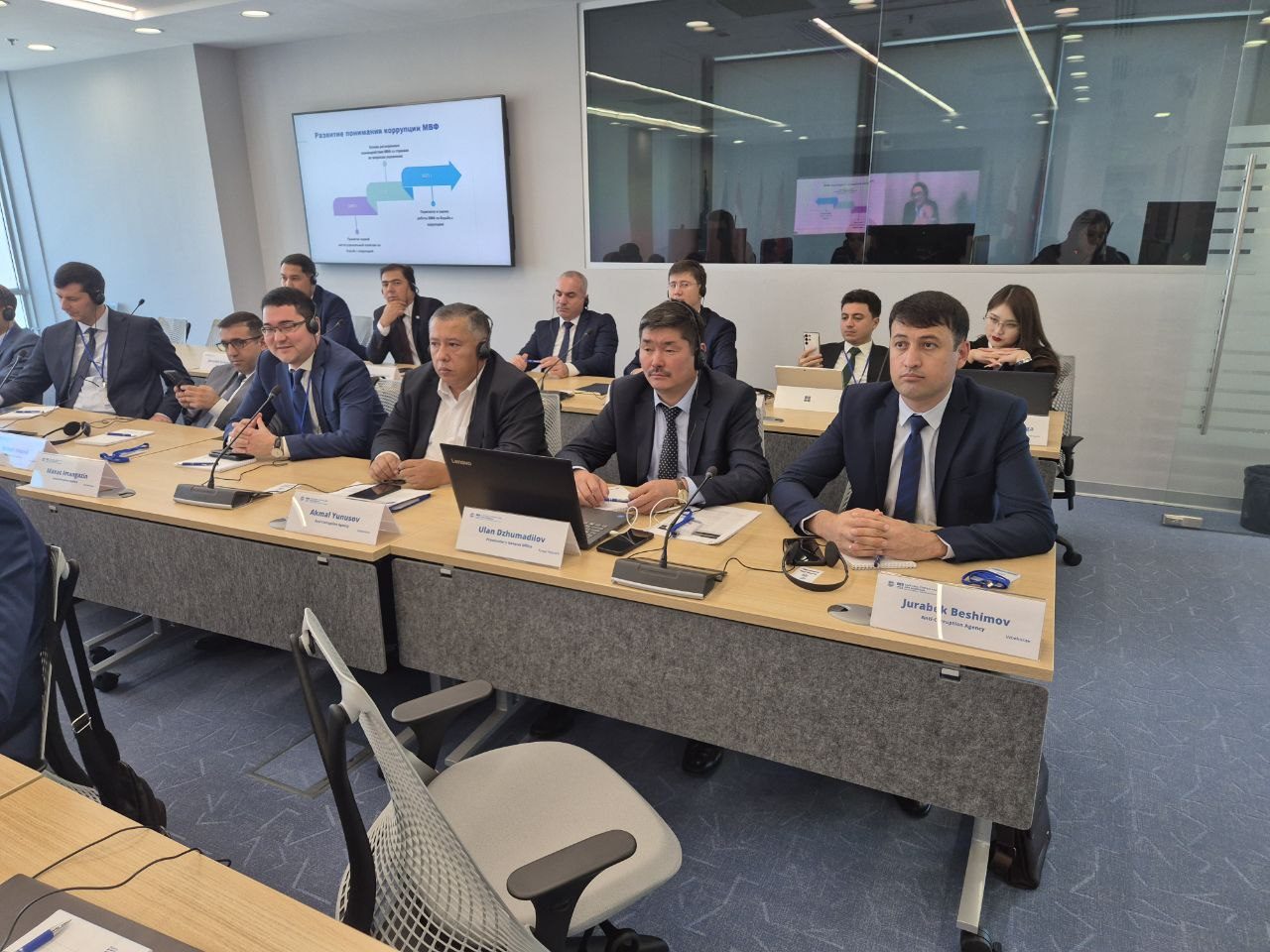
The Anti-Corruption Agency Officials Participated in IMF CCAMTAC Workshop in Almaty
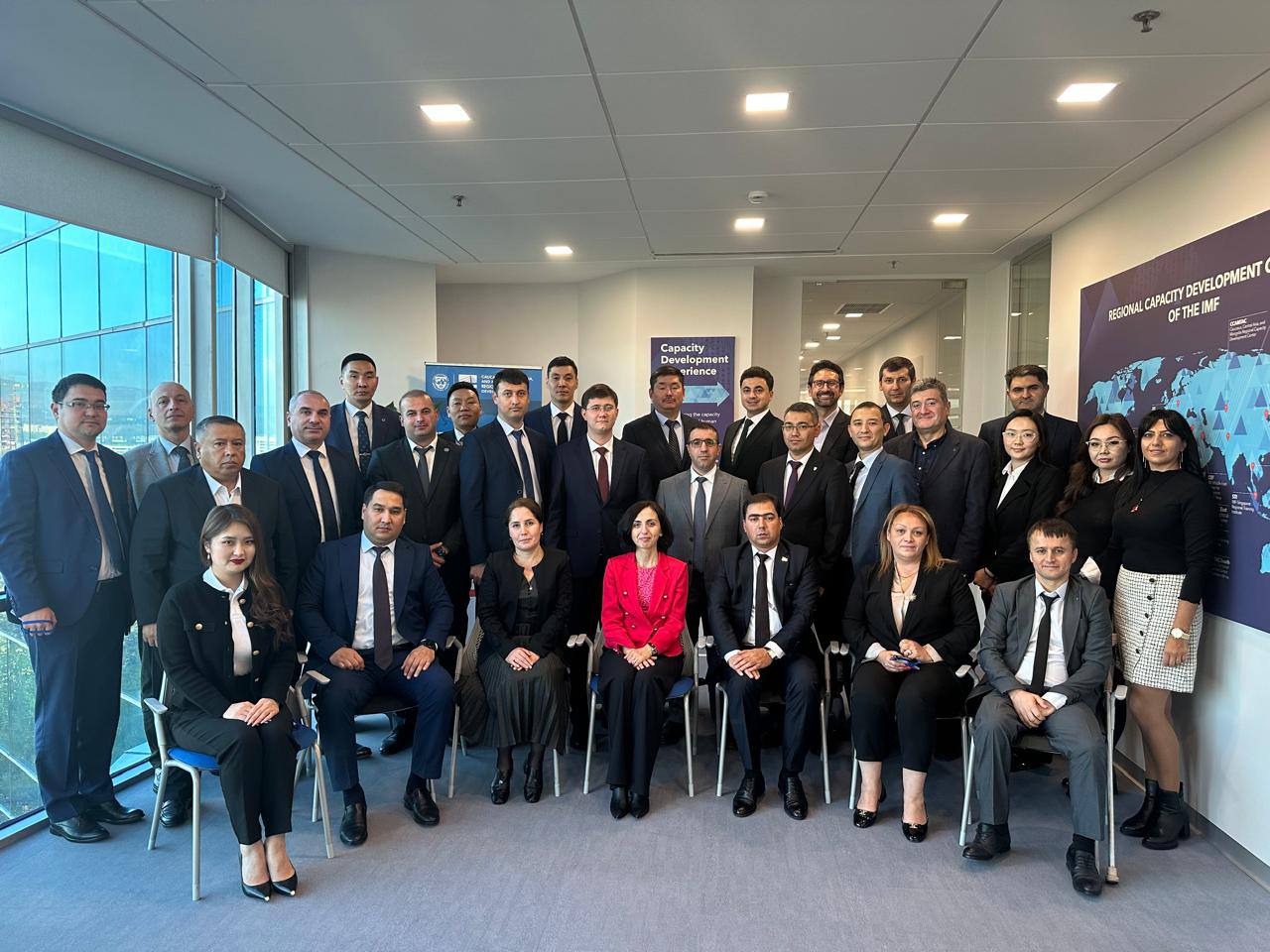
On October 21-24, a delegation of Uzbekistan consisting of representatives of the Anti-Corruption Agency, the Central Bank and the Law Enforcement Academy took part in a regional workshop on ‘Confronting Macro-Critical Corruption’ organized by the IMF Caucasus, Central Asia, and Mongolia Regional Capacity Development Center in Almaty, Kazakhstan.
For reference: The Caucasus, Central Asia, and Mongolia Regional Capacity Development Center (CCAMTAC) is a collaborative venture between the IMF, nine member countries (Armenia, Azerbaijan, Georgia, Kazakhstan, Kyrgyz Republic, Mongolia, Tajikistan, Turkmenistan, and Uzbekistan), and development partners.
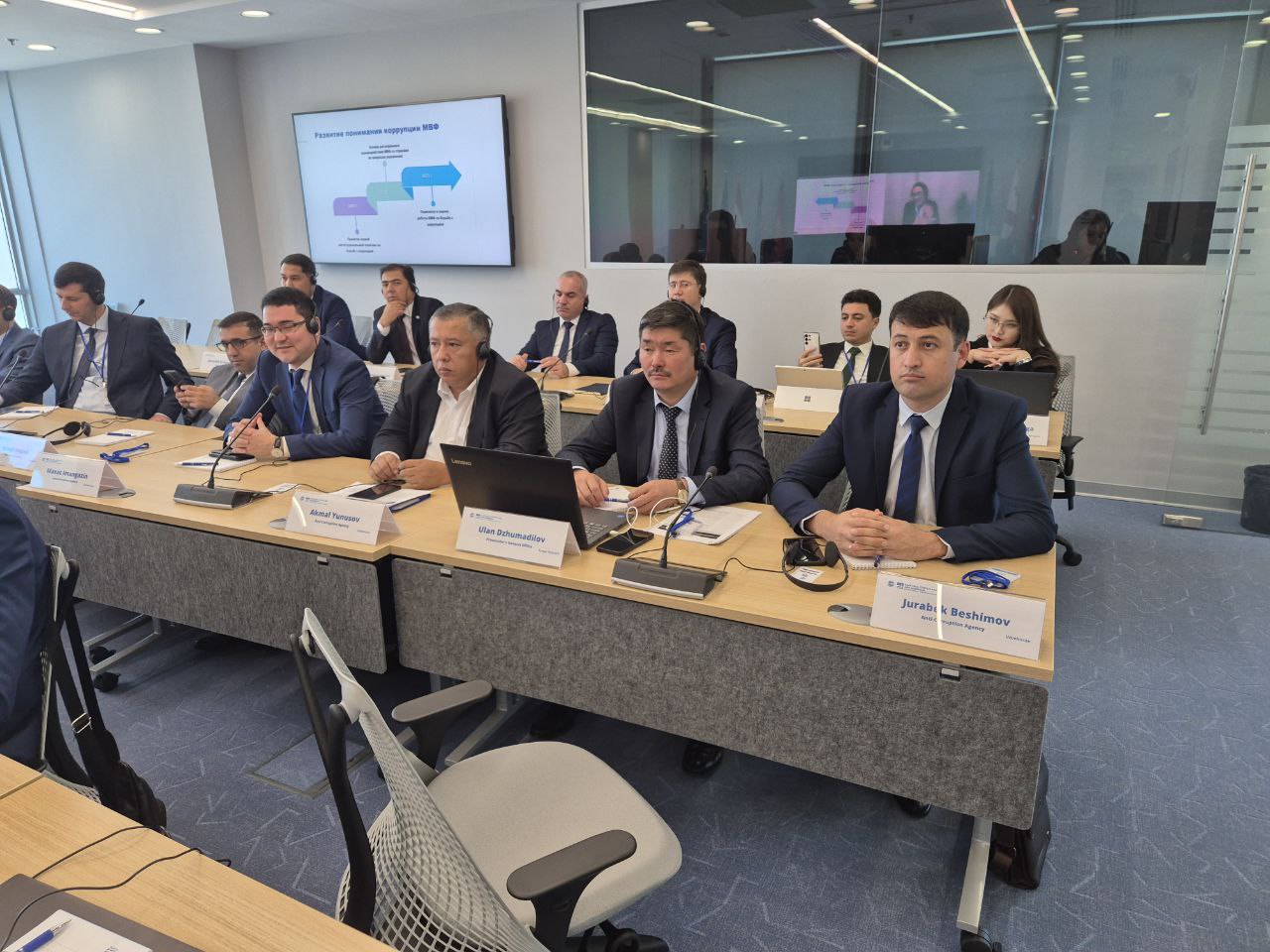
The Center is focused on deepening the Fund’s engagement to support stronger policy frameworks and institutions in the region, to find new and inclusive growth drivers, and to boost the region’s economic potential, as well as on organizing workshops for officials of the countries of the region.
The workshop and round table discussions within it focused on the negative impact of corruption on the economic stability and investment attractiveness of countries, the risks of corruption and measures to prevent it.
It was emphasized that corruption is one of the biggest obstacles to economic stability and development, and as stated, if the country has a low level of corruption, then compared to countries with a high level of corruption, tax revenues in relation to GDP can increase up to 4 percent.
The participants of the workshop were provided with information on the anti-corruption policy of the International Monetary Fund, regulatory documents, effective mechanisms for combating corruption, important elements for ensuring the effectiveness of anti-corruption measures, and the institutional foundations for combating corruption.
International standards for combating corruption were also considered, including the regulation of conflicts of interest, declaration of assets of public servants, ensuring transparency and accountability of government agencies, protection of whistleblowers, as well as the experience of leading foreign countries in determining liability for corruption-related crimes.
The results of the research conducted by the Center showed an increase in the economic stability of the countries of the region due to the ongoing reforms in the fight against corruption.
All participants of the workshop received certificates.
Press Office
The Anti-Corruption Agency