Key Issues Related to Gender and Corruption Discussed in Uzbekistan
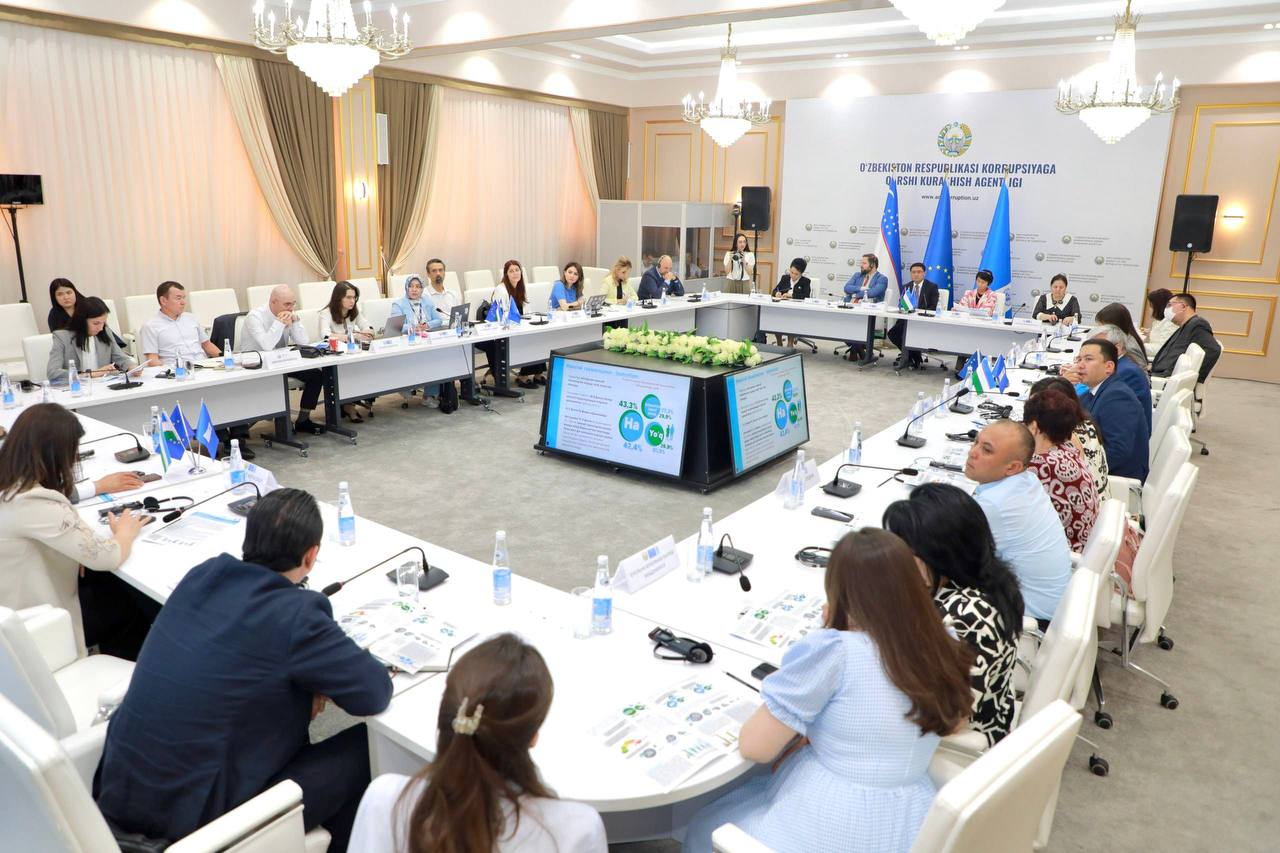
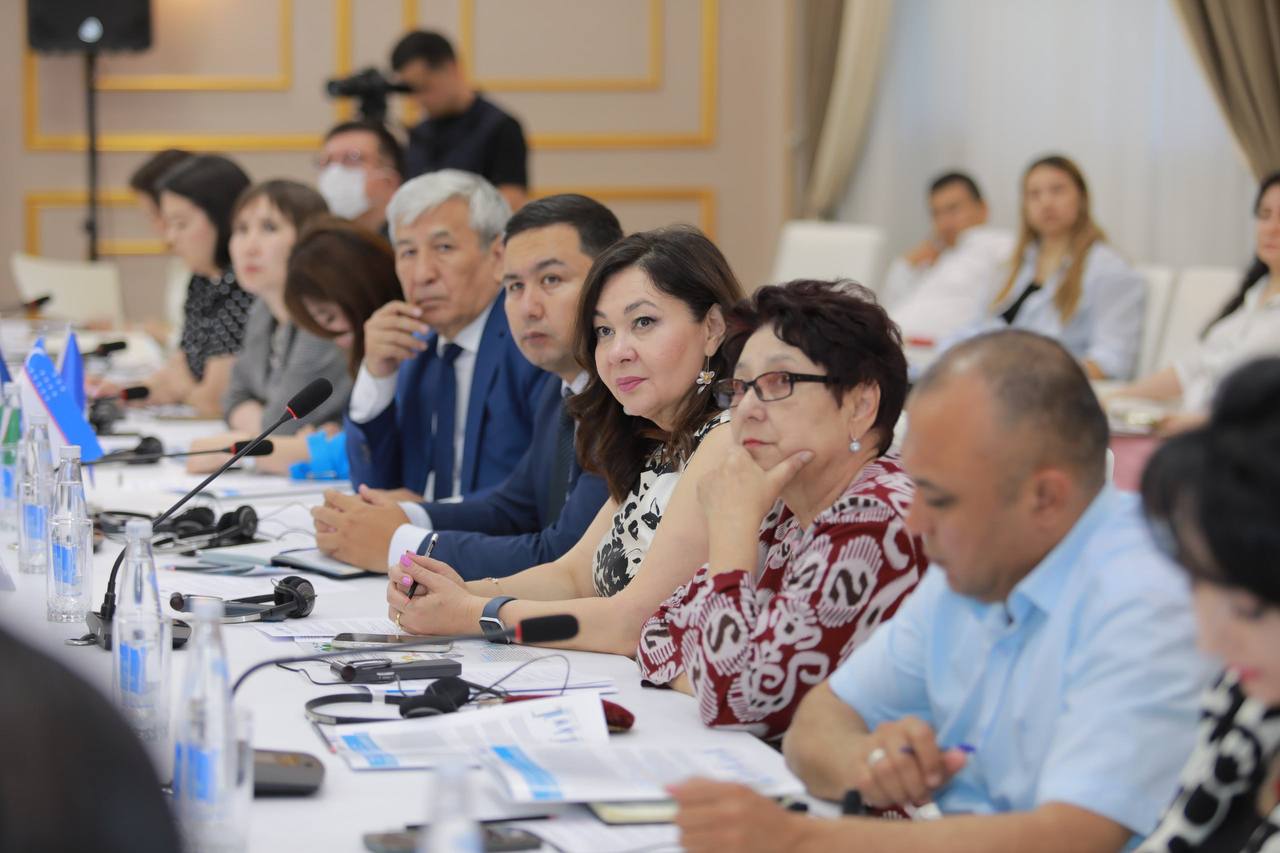
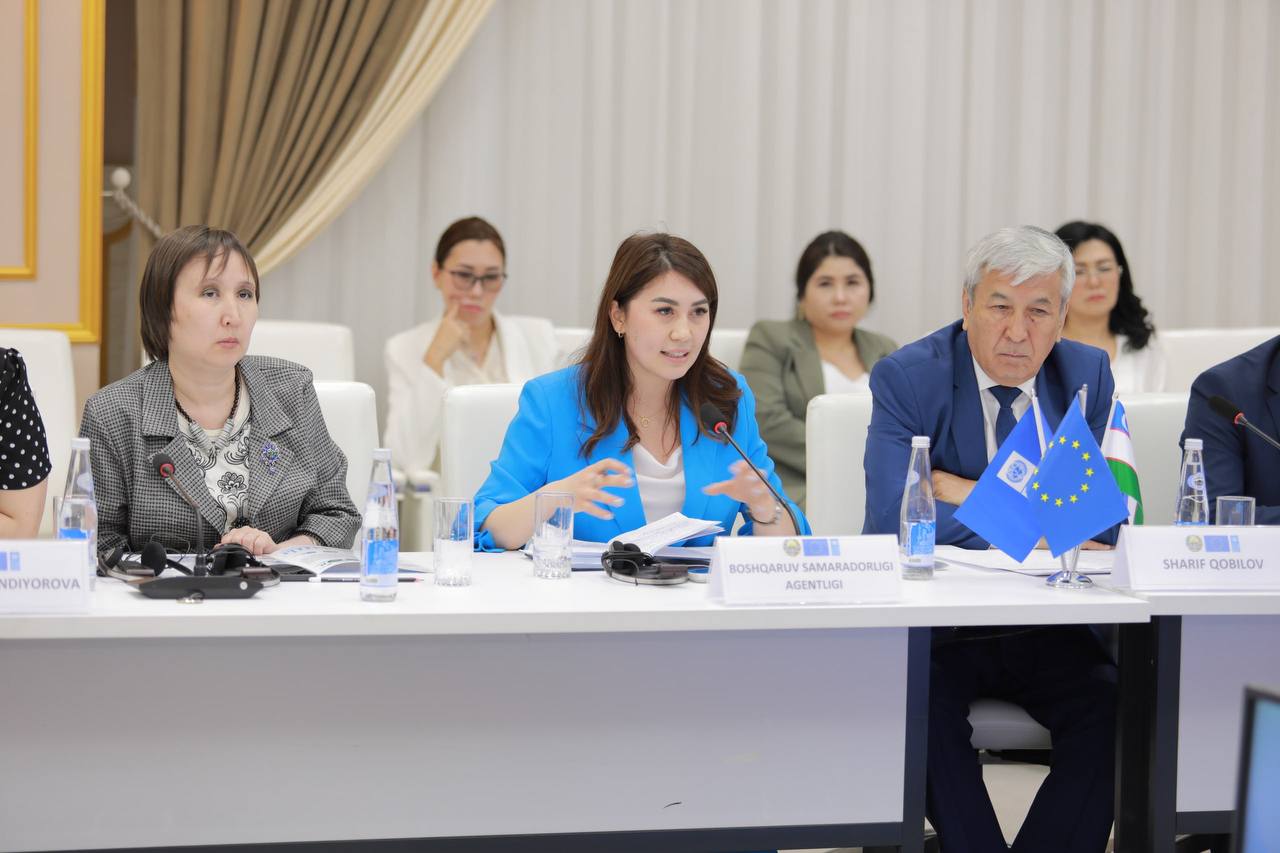
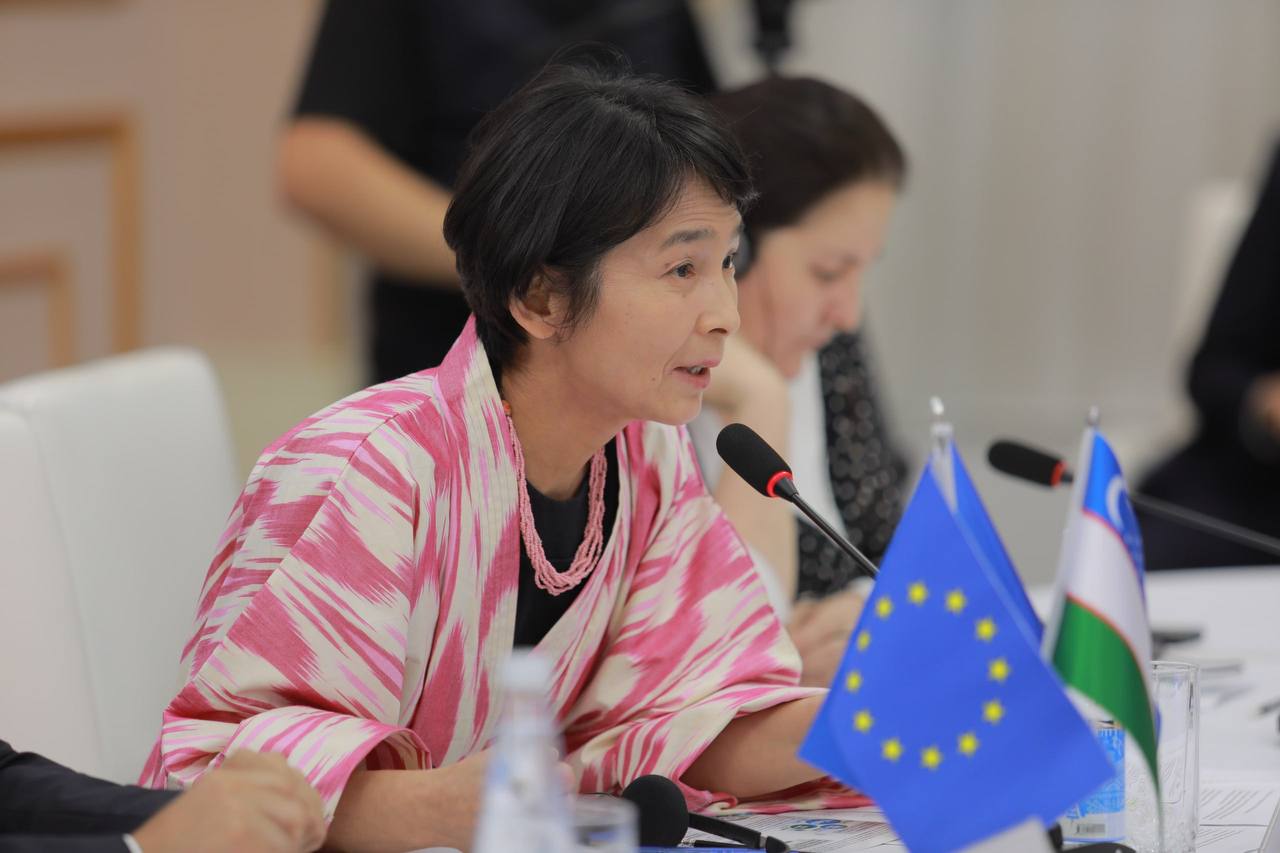
The Anti-Corruption Agency, in cooperation with the United Nations Development Programme (UNDP) and with the financial support of the European Union, organized a discussion meeting entitled “Gender and Corruption in Uzbekistan: Towards Transformational Change.”
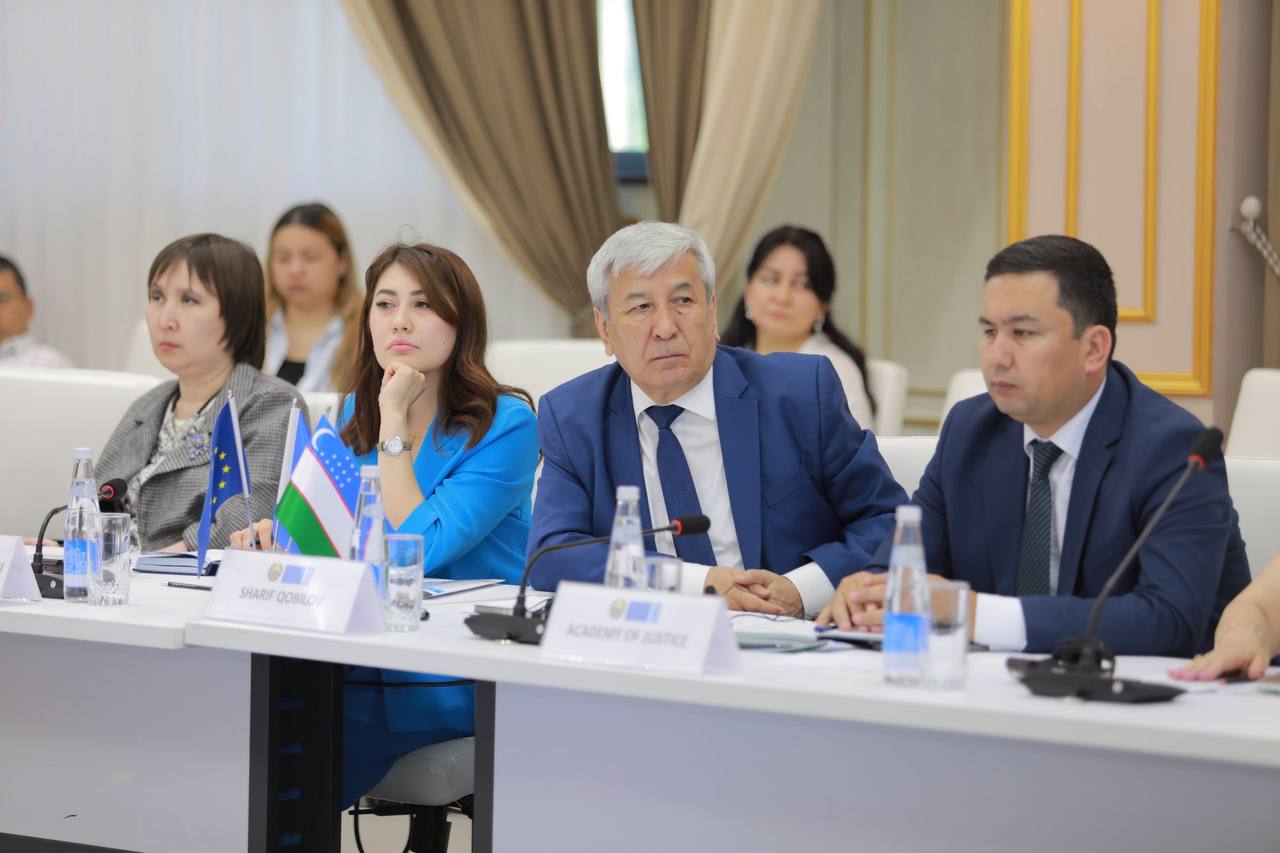
The event brought together representatives of parliament, the judiciary, law enforcement agencies, ministries and government bodies, the diplomatic corps, as well as civil society institutions.
The main objective of the discussion was to consider practical mechanisms for integrating gender-sensitive indicators into the national anti-corruption policy, as well as to develop evidence-based proposals and recommendations aimed at improving the legislative and institutional framework in this area.
As emphasized during the event, Uzbekistan has in recent years consistently implemented reforms aimed at ensuring an uncompromising fight against corruption and promoting gender equality in society. However, both globally and nationally, corruption has often been perceived as a “gender-neutral” phenomenon affecting women and men equally.
At the same time, international studies confirm that corruption has a disproportionately negative impact on vulnerable groups, particularly on women’s socio-economic conditions, as well as their access to healthcare, education, and public services.
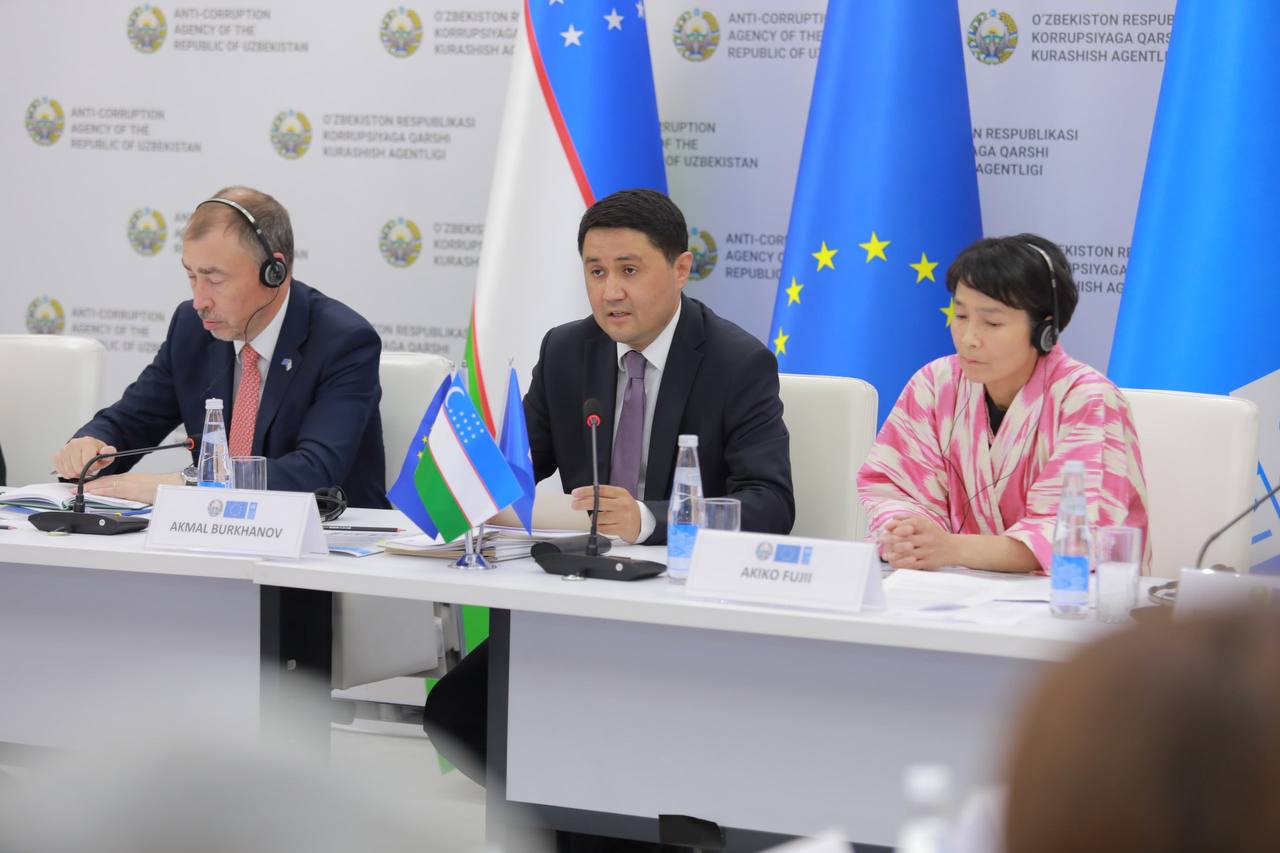
During the event, Director of the Anti-Corruption Agency Akmal Burkhanov also addressed the issue of corruption offenses committed by women. It was noted that although such cases constitute a relatively small share of overall crime statistics, they nevertheless occur in certain instances. At the same time, this situation highlights the need to reassess the socio-economic factors driving women toward corruption, as well as issues related to their working conditions and legal protection.
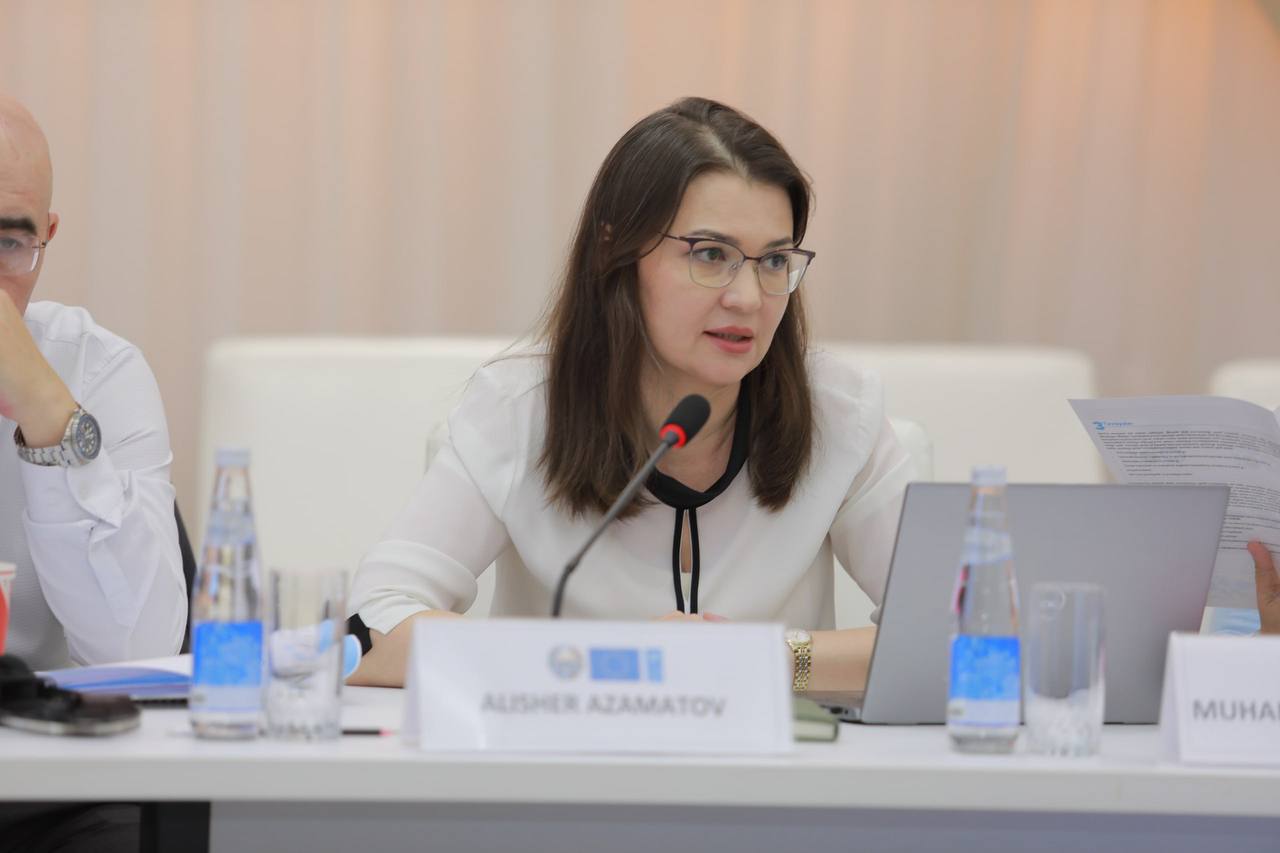
The event also featured the presentation of the findings of the study entitled “Gender and Corruption in Uzbekistan: Towards Transformational Change,” conducted by UNDP in cooperation with the Anti-Corruption Agency and with the financial support of the European Union.
The study was carried out to examine public perceptions of corruption, experiences related to corruption cases, as well as opportunities for introducing gender-sensitive approaches into anti-corruption reforms and policies.
As part of the study, international documents and national legislation were analyzed, and a survey of respondents was conducted. In addition, 10 focus group discussions were organized across various regions of the country.
One of the key findings of the study was that informal traditions and social norms significantly influence public attitudes toward corruption.
In particular, nearly 70 percent of survey participants noted that informal practices such as “suyunchi” and personal connections, as well as social expectations associated with expensive family ceremonies, may contribute to the spread of corruption.
Another important focus of the study was identifying the areas in which women are more exposed to corruption risks. Participants emphasized that women are more likely to face corruption risks when accessing healthcare services, providing family care, and dealing with social support processes.
The findings also demonstrated the need to further improve reporting and protection mechanisms for women involved in corruption-related situations by ensuring they are safe, accessible, and gender-sensitive.
The study further analyzed the issue of introducing a gender approach into Uzbekistan’s anti-corruption legislation from the perspective of international recommendations. According to the findings, although the national legislation generally complies with key international standards, gender-sensitive approaches are still insufficiently reflected in anti-corruption legislation and in its practical implementation.
Based on the findings, a number of recommendations aimed at increasing the effectiveness of anti-corruption reforms were developed.
In particular, the recommendations included integrating gender-sensitive approaches into anti-corruption legislation and policy, strengthening cooperation between institutions working in the fields of anti-corruption and gender equality, increasing public legal awareness, combating social stereotypes, and expanding women’s economic opportunities.
Press Service
Anti-Corruption Agency