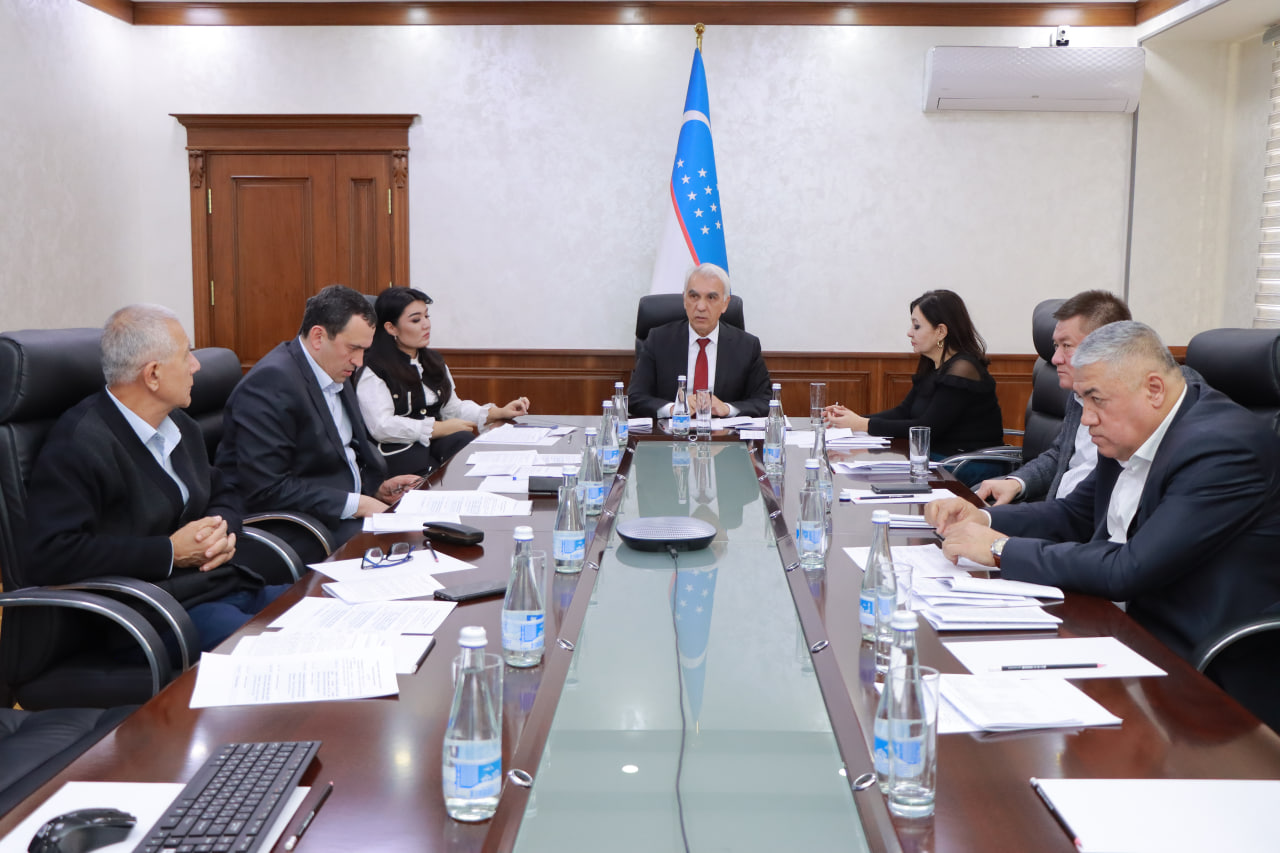
The Public Anti-Corruption Council Discusses the Implementation of the State Program and Future Tasks
On February 21, the Public Council held a meeting at the Anti-Corruption Agency.
The meeting discussed the implementation of the State Anti-Corruption Program 2023-2024, the draft State Anti-Corruption Program 2025-2026, as well as organizational issues of the Council.
Members of the Council were informed about the results of the implementation of the State Program approved by the Decree of the President No. DP-200, adopted on November 27, 2023.
As noted, the State Program defined 30 tasks and instructions in 9 areas, and the execution of all tasks was ensured. 12 draft regulatory acts aimed at improving the fight against corruption have been developed.
New information systems have been launched that ensure the transparency of government authorities and the digitalization of the activities of government agencies and organizations.
The Public Fund at the Oliy Majlis and its regional branches announced grant competitions in the amount of 1.8 billion soums for NGOs on the anti-corruption topic, 41 workshops were organized, which retrained 680 representatives of NGOs and the media.
Members of the Public Council also expressed their opinion as part of the implementation of the State Program.
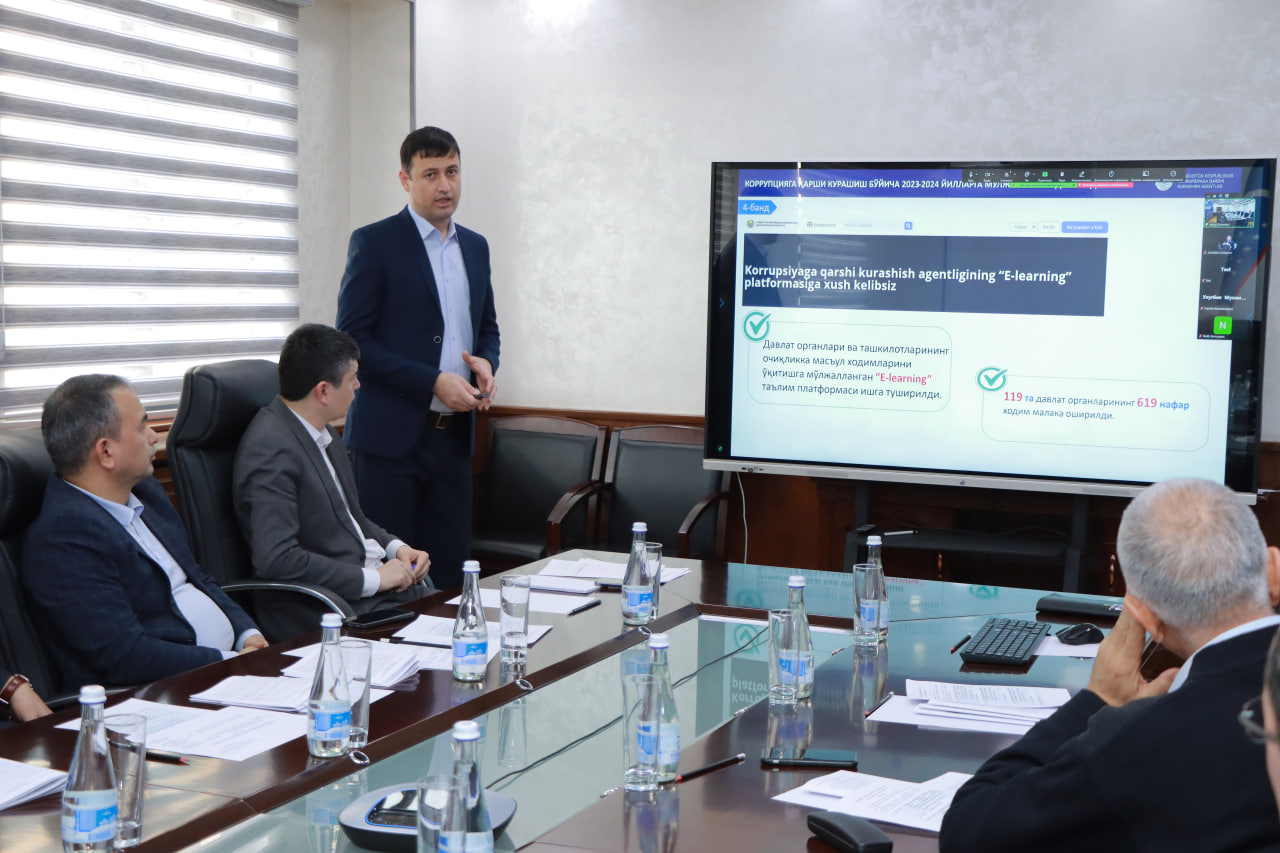
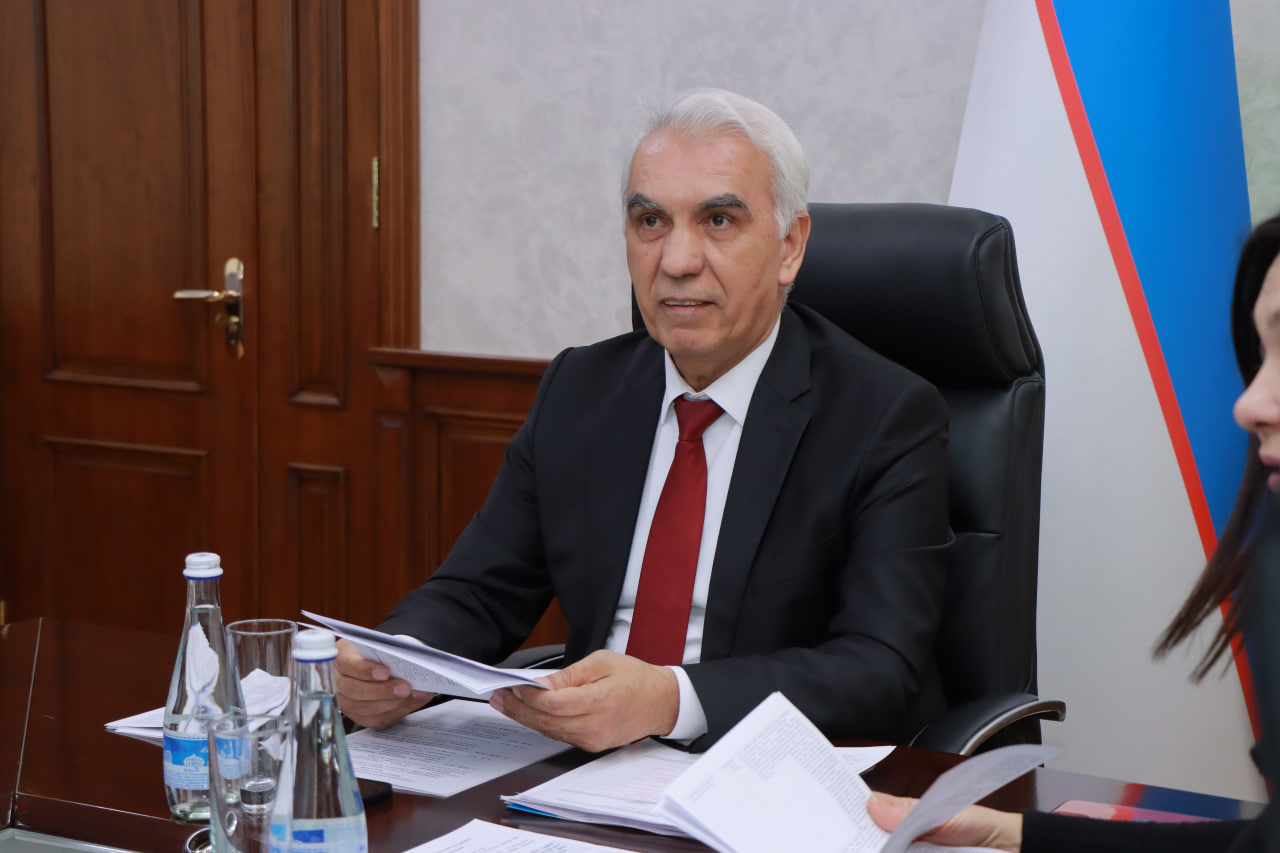
In particular, Foziljon Otakhonov, Deputy Director of the Republican Public Association of the Institute of Democracy and Human Rights, chairman of the Council, expressed an opinion on the need to monitor projects developed for the implementation of the state program, but are under consideration by higher bodies, until they adopt, as well as ensure their effective implementation in practice by studying the qualitative fulfillment of the tasks of the state program and giving additional instructions to the responsible persons.
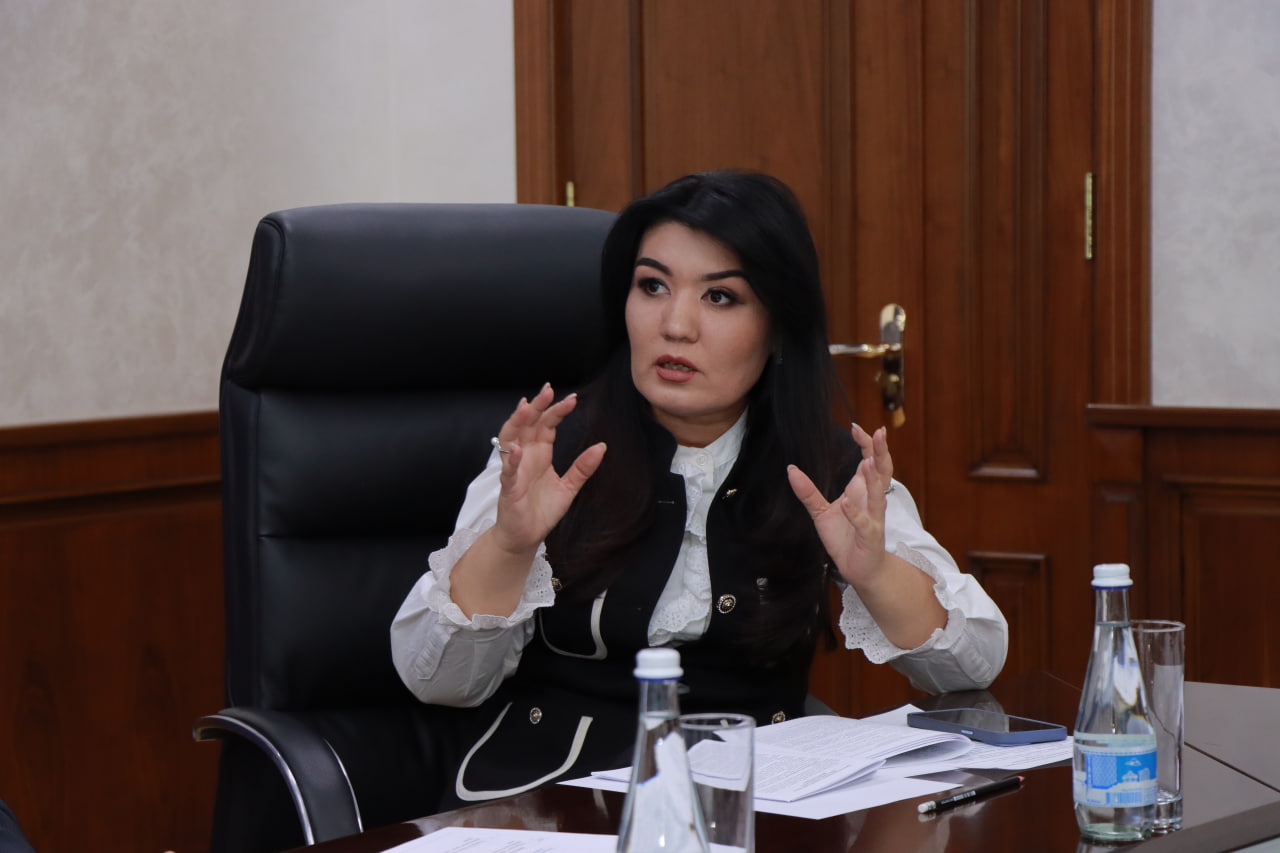
 Yulduzkhon Olimova, the head of the socio-political project of the MY5 TV channel, emphasized that the level of implementation of the program points must be evaluated not only according to the information provided by government bodies, but also taking into account the opinion of the population by survey.
By this Decree, as of January 2025, the number of socially significant information to be placed as open data increased to 42. The meeting noted the need to continue the work to ensure further expansion of this List.
The second issue of the agenda was the presentation of the draft State Anti-Corruption Program 2025-2026.
The draft defines the tasks in 7 priority areas, focused on eliminating corruption factors in the activities of government bodies, ensuring openness and transparency, improving institutional foundations, ensuring the inevitability of punishment, and the formation of an irreconcilable attitude to corruption.
The members of the Council also made focus on the tasks of the Program, including the regulation of lobbying activities, definition of a clear procedure for imposing restrictions on the opening of accounts, possession of real estate and other property by public servants abroad, the introduction of the Integrity Institute, the creation of a unified program for conducting statistics of corruption crimes.
Also, a member of the Council, chairman of the Central Board of the Ezgulik Human Rights Society of Uzbekistan Abdurakhmon Tashanov expressed full support for the initiative to organize training courses for media representatives aimed at advancing their skills in journalistic investigations and analytical research, as well as the introduction of teaching Court Reporting as a compulsory subject in higher educational institutions, which have Journalism courses.
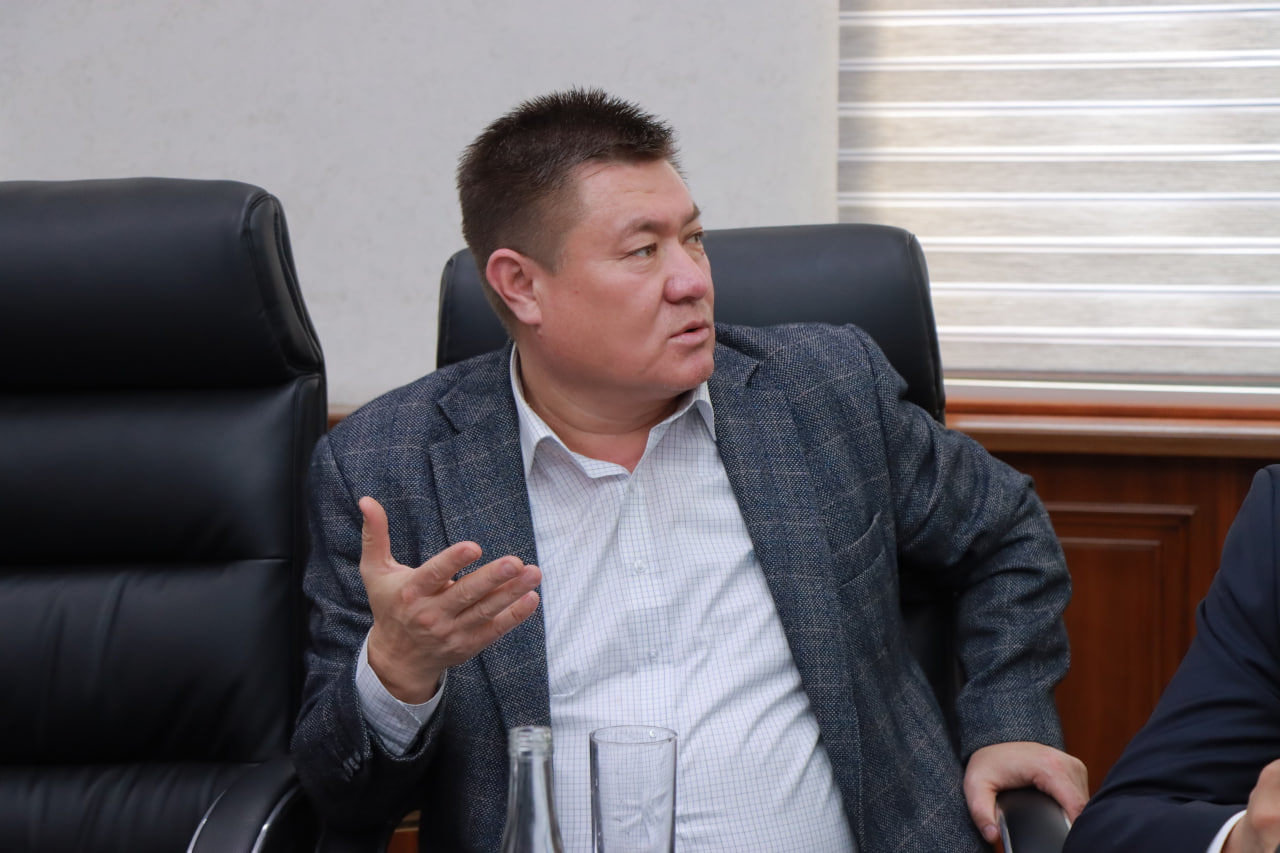
Ibrahimjon Makhmudov, lecturer at the Law Enforcement Academy of the Republic of Uzbekistan proposed to study the attitude of students of higher educational institutions to assessment and grading, and to develop a corruption index in higher educational institutions.
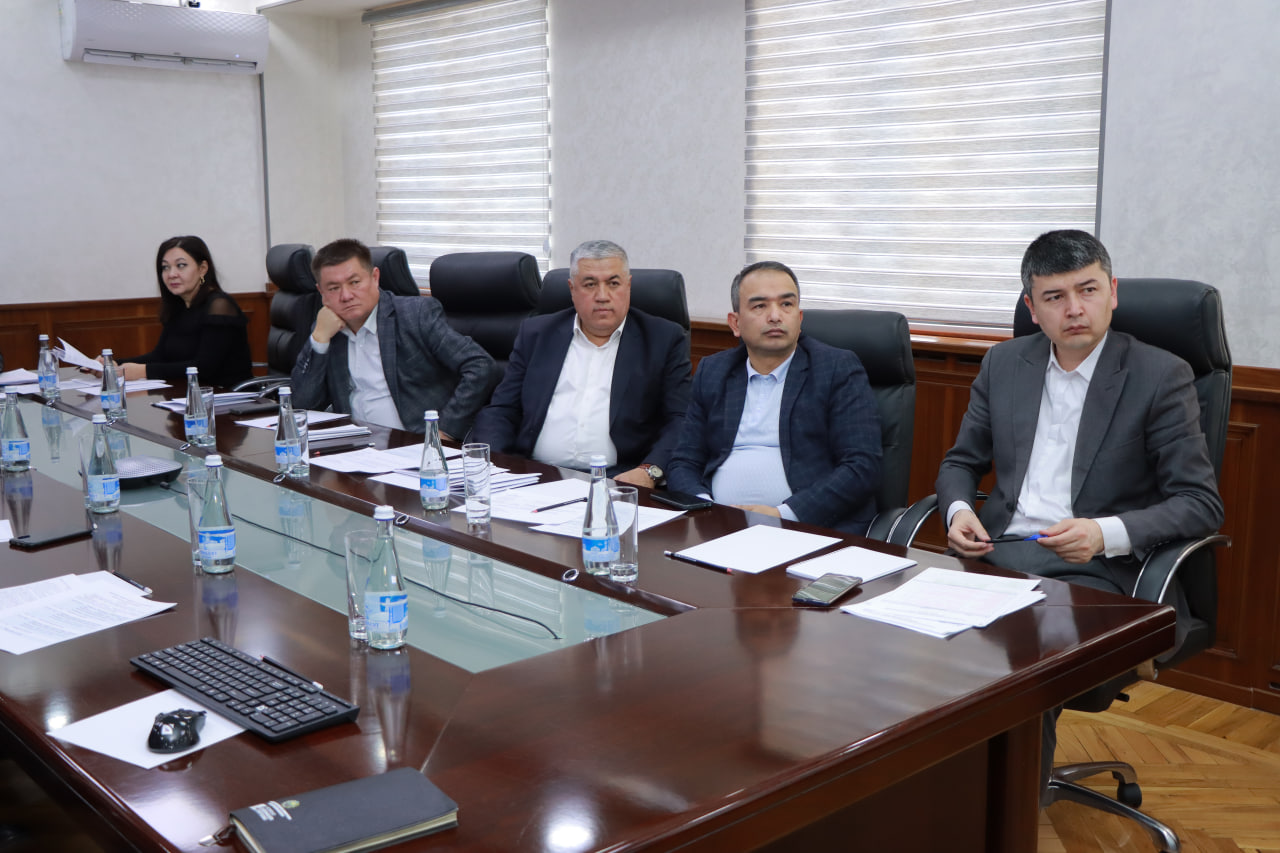
The meeting also discussed and approved the work plan of the Public Council for 2025.
Press Office
The Anti-Corruption Agency